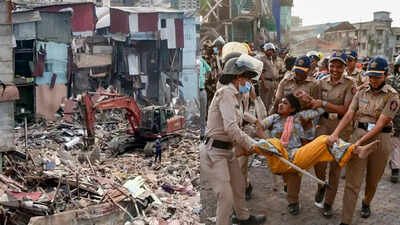
The images coming out of Bandra East are stark, heartbreaking, and deeply troubling. Bulldozers reducing decades-old homes to rubble, while school-going girls sit on the roadside, clutching their few saved belongings. This isn't just a scene from a movie; it's the harsh reality playing out in Mumbai's Garib Nagar slum, right outside Bandra station. The Western Railway’s ongoing demolition drive, backed by the Bombay High Court, aims to reclaim vital land for expansion, including new railway lines and better connectivity for a city that breathes on its local trains. The land, valued at an estimated Rs 600 crores, has been illegally occupied for years, hindering crucial infrastructure development. On one hand, many commuters and authorities agree this action was long overdue. On the other, the human cost, especially with the monsoon just around the corner, is impossible to ignore. This complex situation throws Mumbai's biggest urban dilemma into sharp focus: progress versus humanity.
A Much-Needed Clearing?
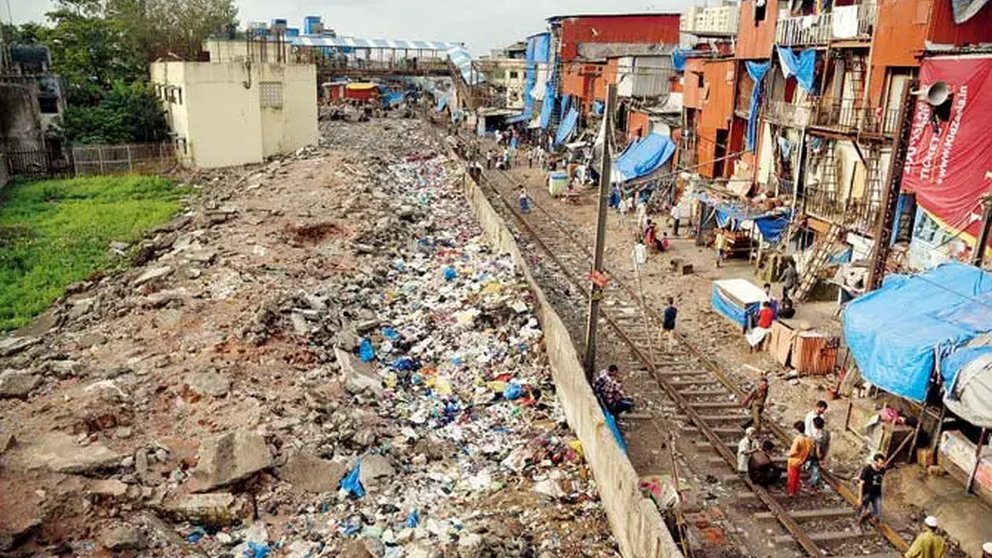
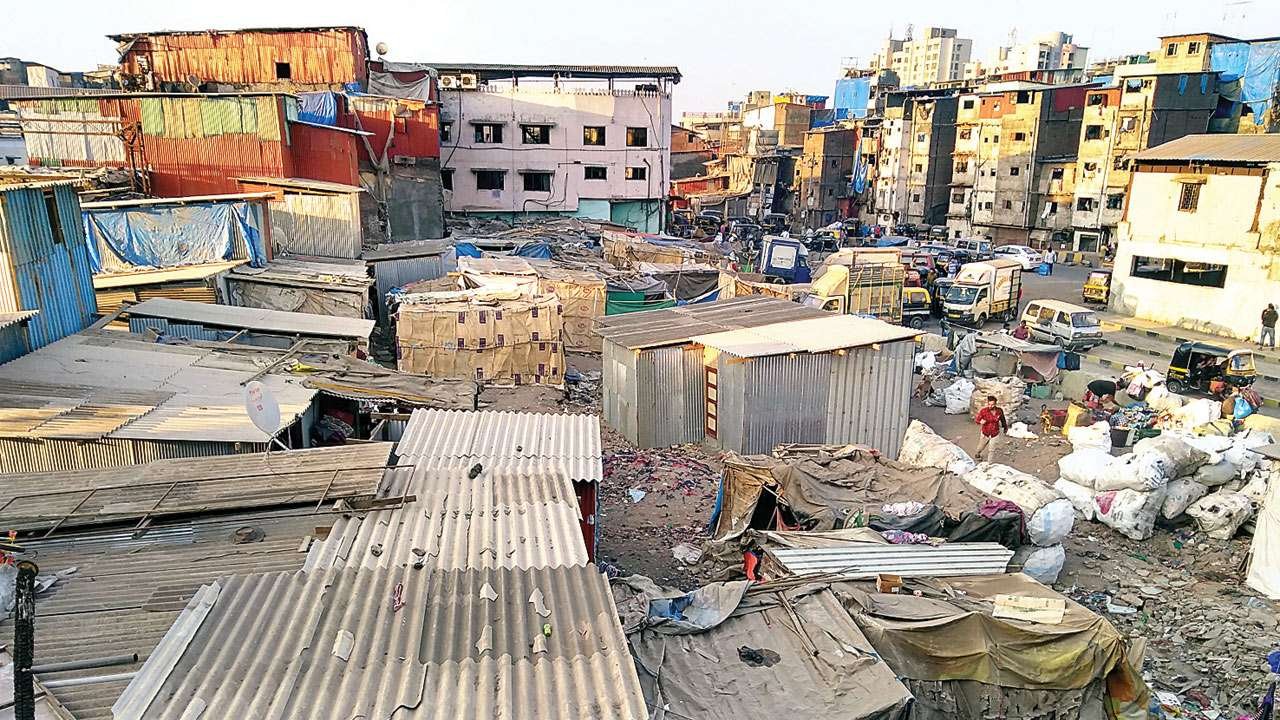
For years, the area outside Bandra station's eastern side was a known hotspot for filth, crime, and drug activity. Commuters like software engineer Devesh Kamble describe the sight of drug addicts on foot overbridges and the general unsafe atmosphere. The multi-storey structures of Garib Nagar, some two or three storeys high, were built directly beside active railway tracks. These weren't just simple huts; they were concrete fire hazards, posing significant risks to train operations and blocking essential infrastructure upgrades. People who use the local trains daily or live nearby have long viewed these encroachments as a persistent problem. A Reddit user noted, 'Non-Mumbaikers have no idea, how big is this thing, the demolition that we all needed and wanted. This encroachment was like a rot increasing over the years... finally the court has given the permission.'
The eviction drive is indeed fully legal. The land always belonged to the Railways, and despite notices over the decades, the encroachments only grew. Clearing this area promises significant benefits: about 50 more trains, less congestion on suburban lines, and safer operations – all critical for a city where millions rely on local transport every single day. The Railways also have a plan to fence the cleared area, aiming to prevent re-encroachment, signaling a determined effort to keep the land free for its intended purpose. This move, undeniably, is progress for commuters and urban development.
The Heartbreaking Human Cost and Questionable Timing
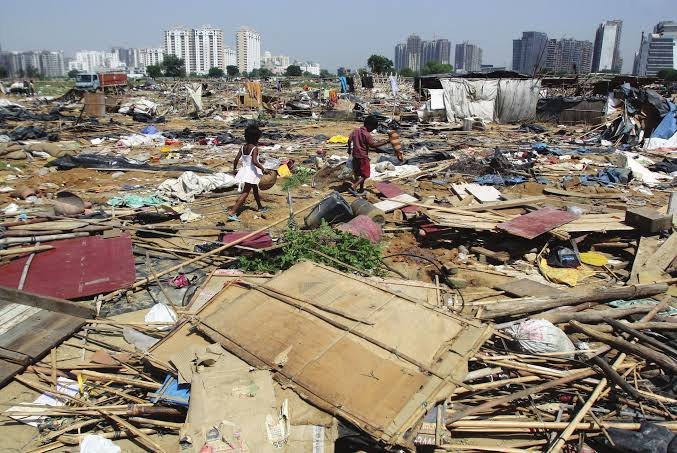
While the necessity of the demolition is understood, the timing has sparked widespread criticism and concern. With the southwest monsoon expected to hit Mumbai in early June, thousands of families have been left without a roof over their heads just weeks before the heavy rains begin. Footage of belongings piled high on roads, families sitting in open fields, and children displaced is going viral, highlighting the immediate humanitarian crisis. Many residents, some of whom had lived in Garib Nagar for 40 years or more, were given very little time to salvage their belongings. Social activist Siraj Noorani shared how families watched their homes collapse, carrying what little they could save. The distress was palpable; one viral video showed an elderly woman heartbroken over not being able to retrieve even a religious scripture from her house.
These displaced individuals are not just "squatters"; they are the backbone of Mumbai's workforce – daily wagers, service staff, and essential workers who keep the city running. Their sudden displacement raises crucial questions about social responsibility and the humane treatment of citizens. The suddenness of the drive, combined with the approach of Eid for many Muslim families in the locality, added another layer of sensitivity to the situation. As NGOs stepped in to provide food and aid, the debate around "illegal or legal" vs. basic human compassion intensified. As one person on X rightly put it, 'Illegal or legal, people are still people! Everyone's just trying to survive... You can care about laws and still have humanity. Those two things are not mutually exclusive!' This situation underscores the complex decisions leaders make and their impact on ordinary lives.
There’s more to life than simply increasing its speed.
By Udaipur Freelancer
Political Echoes and The Way Forward
The demolition has also stirred political memories and accusations. Many residents recalled how late MP Sunil Dutt, a Congress leader, once famously lay before a bulldozer to stop past demolition attempts. Some women expressed their distress, claiming the current BJP government was targeting the "gareeb" (poor) instead of "gareebi" (poverty). Such narratives often become central to local political discourse, and the scrutiny of government actions is intense, much like the fact-checks on political statements that shape public opinion.
Western Railway has stated that eligible families (around 100 from 2021 surveys) will receive rehabilitation. However, with over 400 structures demolished, a significant number of people are still left without immediate solutions. Mumbai's core dilemma persists: how to clear illegal settlements for crucial infrastructure while simultaneously supporting the very workers who make the city function. Slums, despite their issues, offer cheap housing close to jobs, a necessity in a city with astronomical rents. Unchecked growth undeniably creates safety risks and hinders development, but the sudden, mass displacement without adequate immediate alternatives creates a humanitarian crisis that cannot be overlooked.
Striking a Balance: Mumbai's Eternal Challenge
The Garib Nagar demolition is a microcosm of Mumbai's eternal challenge. It highlights the tension between the undeniable need for modern, efficient urban infrastructure and the deeply human reality of poverty and displacement. Clearing decades-old encroachments is progress, but the visible human cost – children on pavements, elderly in distress, families huddled with their meager belongings – serves as a potent reminder that development must always be tempered with compassion and thoughtful planning. As the monsoon clouds gather over the city, the true test of this balance will unfold. The coming weeks will reveal whether Mumbai can navigate this tightrope walk, ensuring both its continued growth and the dignity of all its citizens.
Udaipur Freelancer delivers high-quality web, marketing, and design solutions. We focus on building impactful digital experiences that help your brand succeed in today's market.












Recommended for you
Must-See Art Exhibitions Around the World This Year
The Revival of Classical Art in a Digital Age
Breaking Down the Elements of a Masterpiece Painting
The Revival of Classical Art in a Digital Age