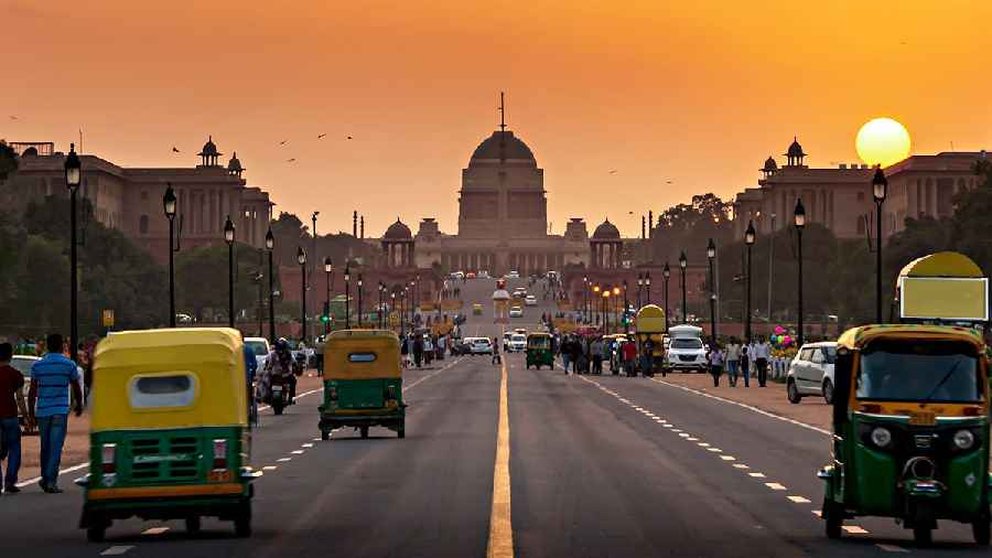
Global energy prices are a persistent reminder of our planet's finite resources and the urgent need for smarter, more sustainable choices. India, heavily reliant on imported crude oil, feels this economic pressure acutely. In response, Prime Minister Narendra Modi recently issued a powerful appeal for "wise spending" and "economic patriotism," urging citizens to think consciously about their consumption habits. Taking this message to heart, the Delhi government has swiftly unveiled a comprehensive package of measures designed not only to significantly reduce fuel consumption but also to ease the burden on India's foreign exchange reserves. This isn't merely about cutting costs; it's about embracing a new paradigm of living, working, and commuting – one that is smarter, more efficient, and deeply patriotic.
Leading by Example: Delhi Government's Bold Moves
At the core of Delhi's innovative strategy is a transformative approach to work-life balance and operational efficiency. All Delhi government employees will now enjoy the flexibility of working from home for two days every week. Imagine the cumulative effect: fewer vehicles, less fuel, reduced traffic congestion across the capital. This forward-thinking move recognizes the potential of hybrid work models not just for employee well-being but for broader societal benefits. Complementing this, a remarkable 50% of all official meetings will transition to online platforms. This simple yet impactful shift is a dual win, saving fuel and travel time, boosting productivity and showing how technology supports conservation.
Beyond these foundational changes, the government is also tackling the daily grind of city life. In collaboration with the Municipal Corporation of Delhi (MCD), office timings are being adjusted. The goal? To de-densify peak hours, making commutes smoother for everyone and, critically, reducing the stop-and-go traffic that guzzles fuel. The government is also setting a stringent example within its own operations. The use of official vehicles will be curtailed, and the monthly petrol limit for officers has been cut by a substantial 20%, bringing the cap down from 200 litres. This decisive action underscores a commitment to self-discipline. Furthermore, in a clear signal of fiscal prudence and environmental consciousness, the Delhi government has announced a moratorium on purchasing any new official vehicles for the next six months.
Championing Public Transport and Mindful Mobility
Recognizing that a significant shift requires public participation, Delhi is actively promoting collective and sustainable transportation. The city will now regularly observe a "Metro Day," urging all citizens to utilize the city’s extensive metro network. This initiative aims to foster a habit of relying on public transport, reducing individual car dependency. Alongside this, the government will appeal to the public to follow a "No Car Day" once every week. These aren't just symbolic gestures; they are carefully designed appeals to cultivate a culture of shared responsibility and environmental stewardship within the community.
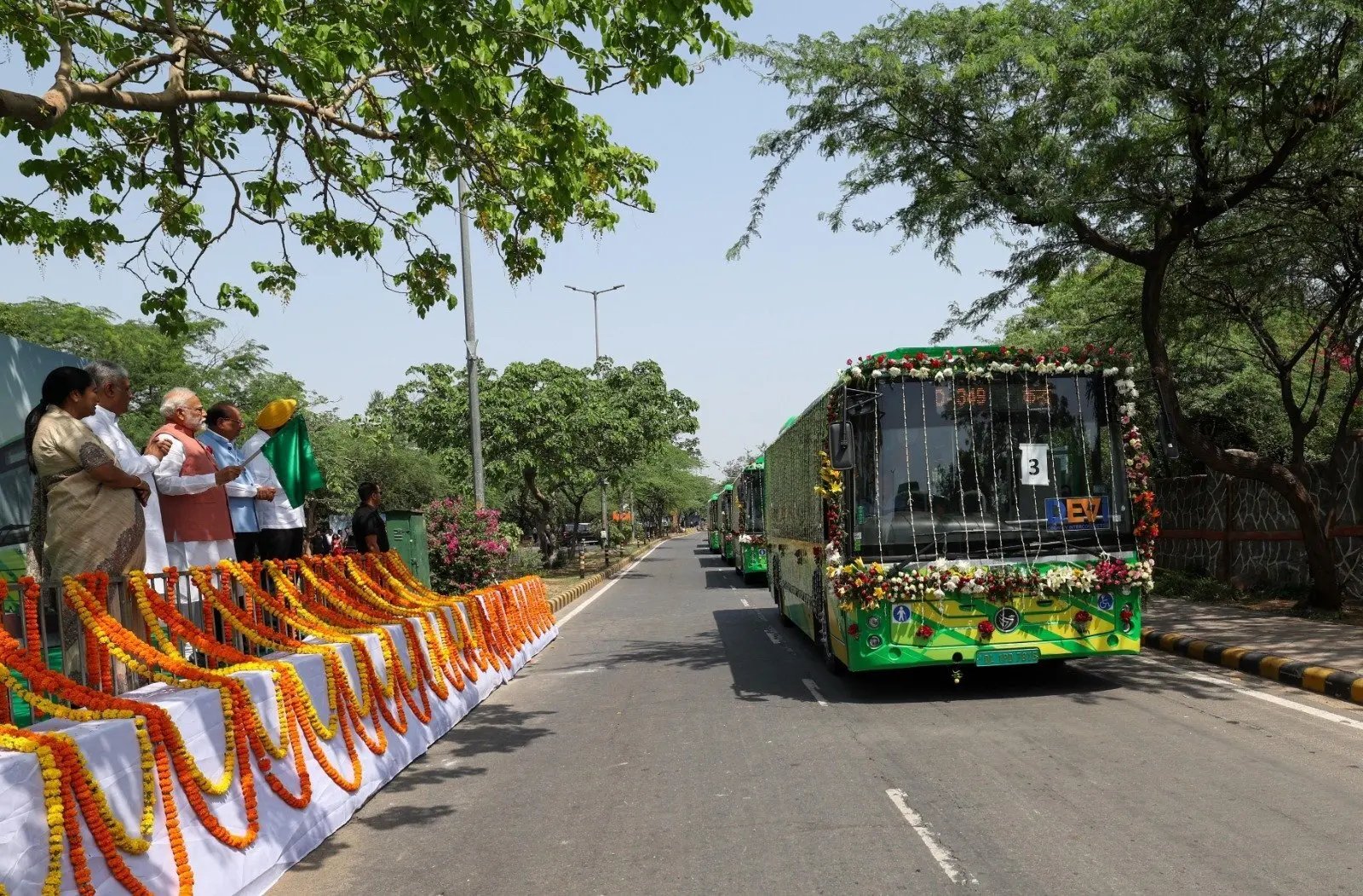
To ensure its own workforce can easily embrace these changes, the government is rolling out practical support. A fleet of 58 special buses will operate across 29 government colonies, specifically catering to government staff. This dedicated transport network incentivizes employees to leave personal vehicles at home, embodying advocated principles. Such comprehensive steps highlight that moving towards a more sustainable future requires not just regulations, but also accessible alternatives and robust encouragement for citizens to adapt their daily routines.
The "Why" Behind the Drive: Economic Patriotism in Action
These proactive measures from the Delhi government are a direct and timely response to a broader national and global imperative. Prime Minister Modi’s call for "responsible consumption" and "economic patriotism" resonates deeply in the current geopolitical climate. With ongoing conflicts, such as the Iran conflict, and disruptions in crucial shipping lanes like the Strait of Hormuz, global energy prices are experiencing significant volatility. This instability places immense pressure on nations like India, which remain heavily dependent on imports for critical commodities including crude oil, gold, fertilisers, and edible oil. Government sources clarified these appeals are not "austerity measures" but a call for "wise spending." Every single litre of petrol saved, every mindful choice in consumption, contributes directly to strengthening India's economic resilience and safeguarding its foreign exchange reserves. It’s a collective act of prudence, ensuring that national resources are utilized with foresight and efficiency.
There’s more to life than simply increasing its speed.
By Udaipur Freelancer
Beyond Mandates: A Collective Call to Action
While the Delhi government is leading the charge, its initiatives serve as a powerful blueprint and an earnest invitation for all citizens to participate actively in this national effort. The city government plans to launch an extensive public awareness campaign, specifically designed to encourage citizens to contribute meaningfully towards fuel saving and responsible consumption. This means considering sustainable alternatives: carpooling, public transport, and digital solutions for meetings or errands. The potential for positive transformation, within Delhi and across the nation, is immense. This is an unparalleled opportunity for each of us to become a vital part of a larger movement towards a more sustainable and economically robust India.
The Wider Ripple Effect: A Brighter Future for All
While the immediate goals are clear – saving fuel and shoring up foreign exchange – the positive ripple effects of these measures extend far beyond simple economics. Consider the significant environmental benefits. Fewer vehicles on the road directly translate to less air pollution, a chronic challenge for a metropolis like Delhi. Reduced traffic congestion means less time wasted in gridlock, lower stress levels for commuters, and a measurable boost in overall urban productivity. The widespread adoption of Work From Home and online meetings can foster healthier work-life balance, cultivating a more agile, modern culture embracing digital transformation, a topic explored at the India AI Impact Summit 2026. Furthermore, a renewed emphasis on public transport can lead to vital improvements in these networks, making them even more efficient, reliable, and attractive for daily commuters. It’s a win-win, where economic foresight intertwines with ecological responsibility and improved urban life. Efforts to reduce our carbon footprint, similar to breakthroughs in carbon capture technology, are not just beneficial but absolutely crucial for securing our collective future.
Conclusion: A Path Towards Responsible Progress
Delhi's comprehensive and forward-thinking strategy stands as a commendable testament to how a government can decisively lead by example, particularly during periods of economic and environmental challenge. By embracing flexible work models, vigorously promoting public transport, and making genuinely conscious choices about resource allocation, the capital is doing more than just responding to an urgent national appeal; it is actively charting a progressive course towards a more sustainable, efficient, and economically robust future. This moment is not merely about conserving fuel; it's about nurturing "economic patriotism" and responsible living. It represents an unequivocal call to action for every resident to contribute actively and thoughtfully to a brighter, greener, and ultimately more resilient India. The path ahead necessitates collective effort, but with these bold steps, Delhi has embarked on a promising journey.
Udaipur Freelancer delivers high-quality web, marketing, and design solutions. We focus on building impactful digital experiences that help your brand succeed in today's market.














Recommended for you
Must-See Art Exhibitions Around the World This Year
The Revival of Classical Art in a Digital Age
Breaking Down the Elements of a Masterpiece Painting
The Revival of Classical Art in a Digital Age