Ever really stop to look at your legs and feet? I mean, really look at them? We rely on them to carry us through life, from a morning walk to a late-night dash for snacks. But what if I told you they were also trying to talk to you?
Our bodies have an amazing way of sending us signals when something isn't quite right, and our lower limbs are like a secret dashboard for our overall health. They can flash warning lights for issues with our circulation, heart, kidneys, and more.
So, let's take a moment to listen to what our legs and feet might be trying to tell us. Here are five important signs you should never ignore.
The Telltale Twist: Bulging and Twisted Veins
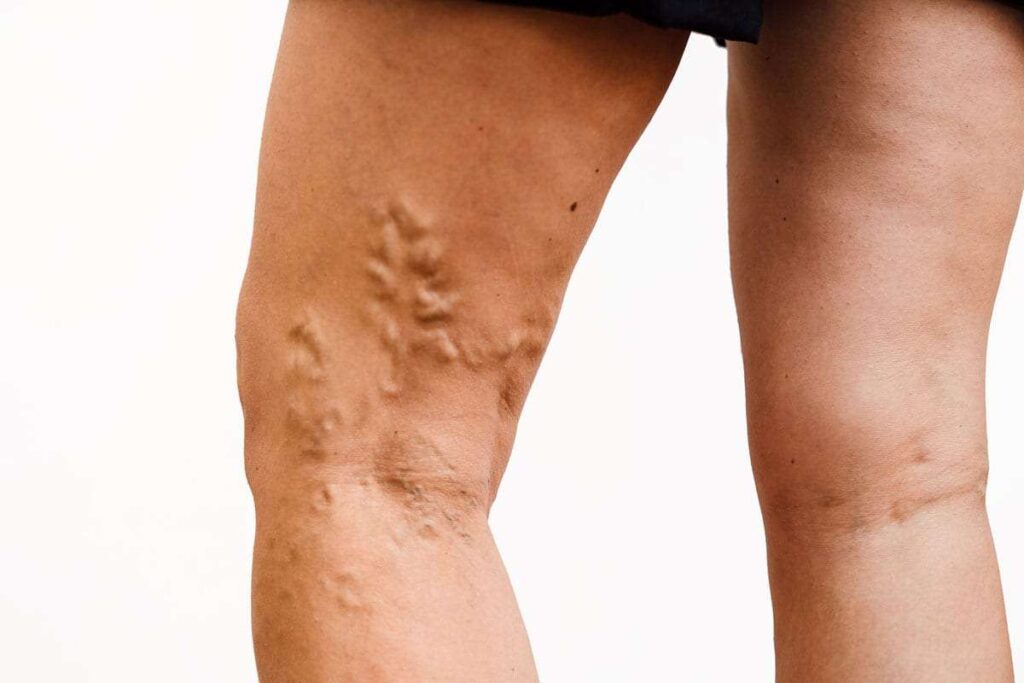
You’ve probably seen them before those lumpy, bluish, twisted veins that pop up on the legs, often behind the knees. These are known as varicose veins, and while many people dismiss them as a simple cosmetic issue, they are often the first sign of poor circulation.
Think of your veins as one-way streets for blood heading back to the heart. They have tiny valves that act like gates, preventing blood from flowing backward. When these valves weaken or get damaged, blood can pool in the veins, causing them to stretch, swell, and bulge.
This condition is a hallmark of what doctors call chronic venous disease. Over time, it's not just about looks. It can lead to a constant feeling of heaviness, aching, throbbing, and even skin discoloration around the ankles. If your legs feel tired and achy along with these bulging veins, it’s your body’s way of saying, "Hey, the blood flow down here isn't great!"
Puffy Ankles? It Could Be More Than Just a Long Day
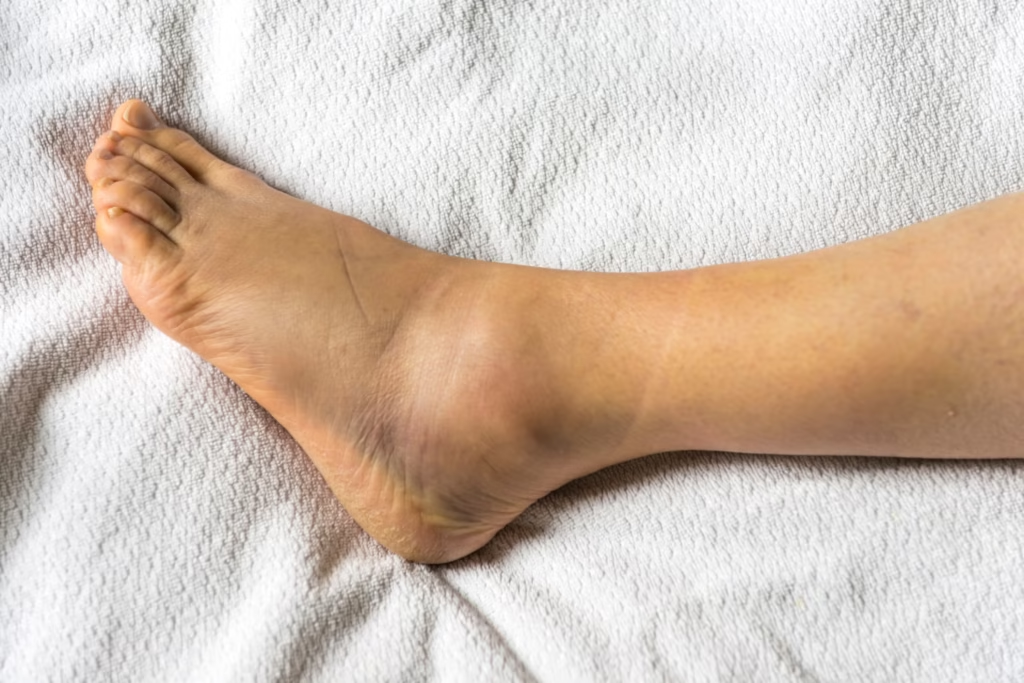
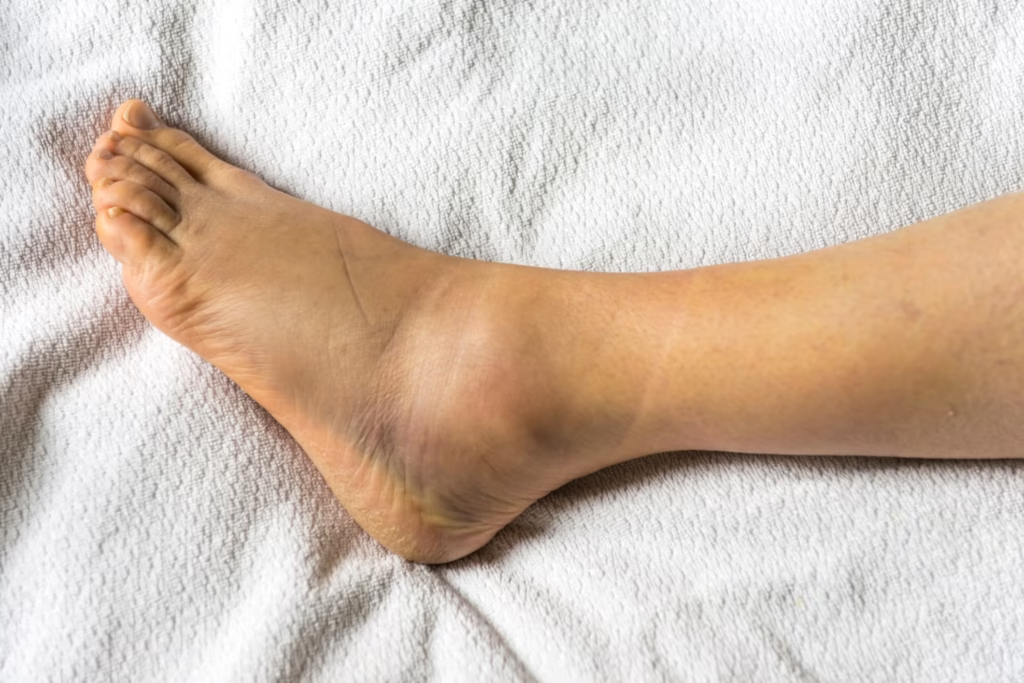
We’ve all been there. After a long day of standing, walking, or even a long flight, you look down and see that your ankles have puffed up like little pillows. Usually, putting your feet up for a while does the trick.
But what if the swelling is in both ankles and it’s happening consistently?
Persistent swelling that doesn't go away with rest can be a major red flag. This could be your body signaling a more serious underlying issue with your heart, kidneys, or liver. These vital organs are responsible for managing fluid in your body. When they aren't working properly, fluid can build up in the lowest parts of your body your ankles and feet. It can also be a sign of more advanced venous disease. If you notice your socks leaving deep indents and the swelling is a daily occurrence, it's time to get it checked out.
Cold Feet and Pain When You Walk
Do your feet feel like ice blocks, even when you’re tucked under a warm blanket? And do you get a painful, cramping sensation in your calves when you walk, which magically disappears when you stop to rest?
This combination is a classic sign of Peripheral Arterial Disease, or PAD.
There’s more to life than simply increasing its speed.
By Udaipur Freelancer
Don't let the fancy name scare you. In simple terms, PAD means the arteries that supply blood to your legs have become narrowed, usually due to a buildup of plaque. It’s like a traffic jam in your blood vessels. This traffic jam restricts the flow of warm, oxygen-rich blood to your feet, making them feel cold and look pale. The pain you feel when walking is your leg muscles crying out for more oxygen than the narrowed arteries can deliver. This isn't just a sign of getting older it's a serious circulation problem that needs a doctor's attention, as it can lead to severe complications if left untreated.
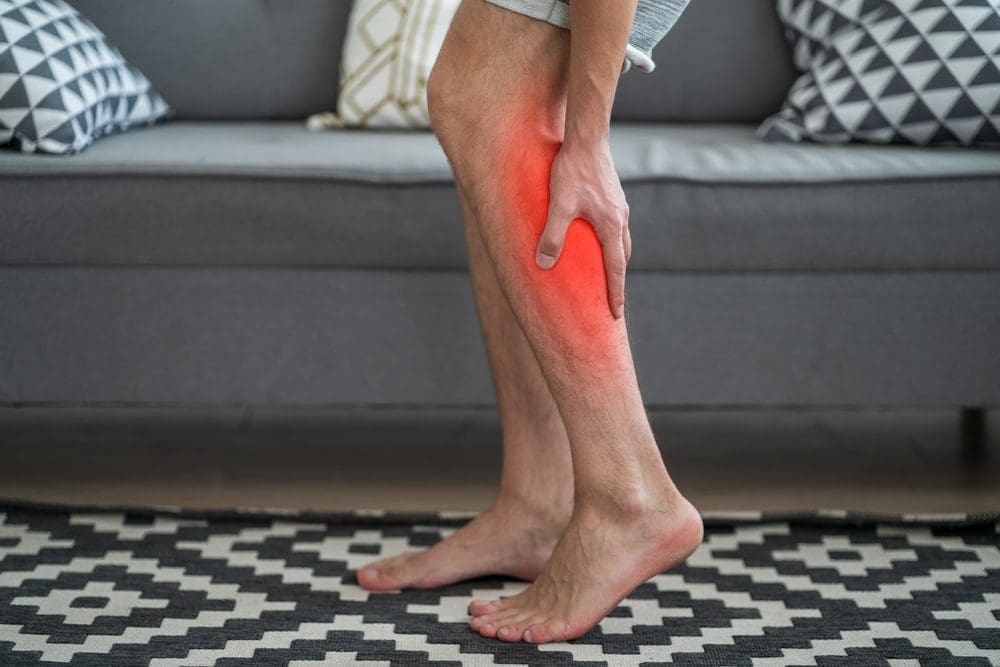
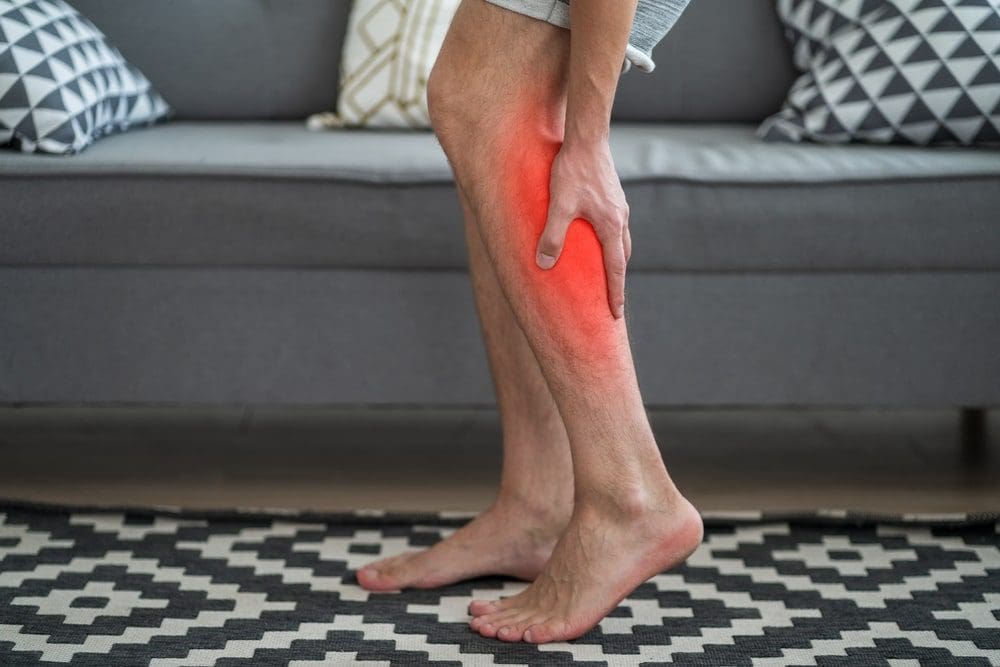
A Red Flag: One Calf is Hot, Swollen, and Red
This next one is a big deal, and it’s crucial to act fast. If you notice that one of your calves is suddenly swollen, red, warm to the touch, and painful, you need to seek medical help immediately.
These are the warning signs of a Deep Vein Thrombosis (DVT), which is a blood clot that has formed in a deep vein, usually in the leg. It often happens after long periods of inactivity, like a long-haul flight, bed rest after surgery, or prolonged sitting.
Why is this so urgent? Because if a piece of that clot breaks off, it can travel through your bloodstream to your lungs, causing a life-threatening blockage called a pulmonary embolism. DVT is not a wait and see situation. If you have these one-sided symptoms, treat it as a medical emergency.
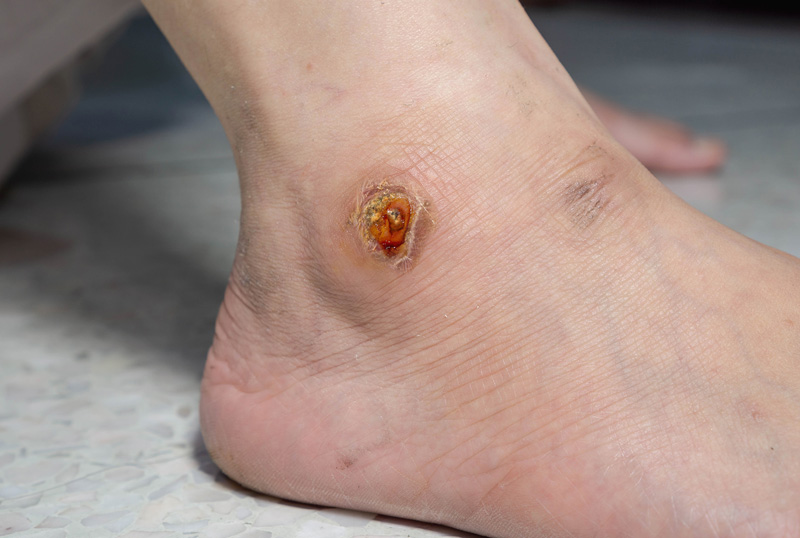
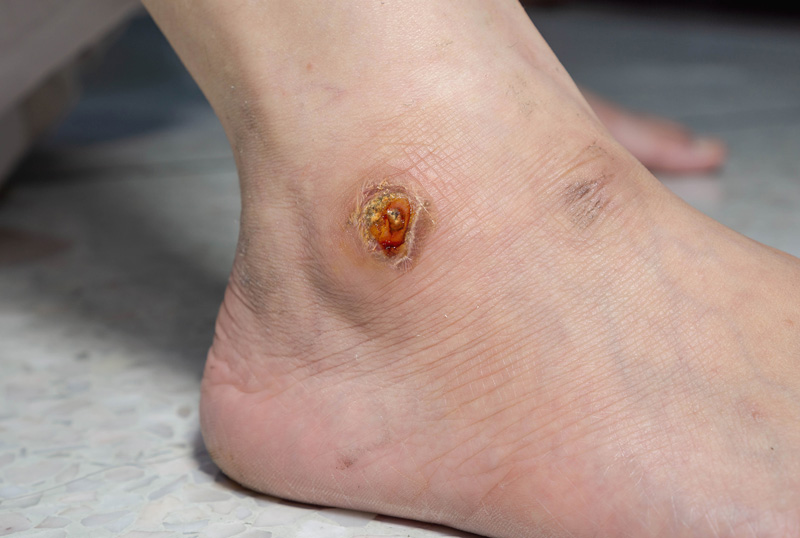
The Stubborn Sore That Just Won't Heal
We all get little cuts, scrapes, or blisters from time to time. Normally, our body’s amazing healing process kicks in, and within a week or two, it's just a memory.
But a sore on your foot, ankle, or toe that just refuses to heal is a very different story.
An ulcer or wound that stays open for weeks is a serious sign that the area isn't getting enough blood to heal properly. Both severe PAD (poor artery flow) and chronic venous disease (poor vein flow) can cause this. Without adequate blood supply, the tissue doesn’t get the oxygen and nutrients it needs to repair itself. These non-healing sores are at high risk for infection and can, in the worst cases, lead to gangrene or even amputation.
Listen to Your Body
Our legs and feet are our foundation, but they're also incredible communicators. They work hard for us every single day, and the least we can do is pay attention when they send us a message.
Don't panic if you notice one of these signs, but please don't ignore them either. Viewing these signals as your body's early warning system can empower you to take action. A simple conversation with your doctor can help you understand what's going on and get you on the right path to better health. After all, taking care of your legs and feet is a huge step toward taking care of your entire body.
Udaipur Freelancer delivers high-quality web, marketing, and design solutions. We focus on building impactful digital experiences that help your brand succeed in today's market.















Recommended for you
Must-See Art Exhibitions Around the World This Year
The Revival of Classical Art in a Digital Age
Breaking Down the Elements of a Masterpiece Painting
The Revival of Classical Art in a Digital Age