We all know the drill. When someone says 'protein for breakfast', our brains immediately think of eggs. Boiled, scrambled, or cooked into an omelet eggs have been the poster boy for morning protein for years. A standard large egg gives you about 6 grams of protein. So, a two-egg breakfast gives you roughly 12 grams.
But let’s be real. What if you are a vegetarian? What if you are trying to eat more plant-based meals? Or what if you are simply tired of eating the same old eggs every single morning?
Well, you are in luck! Traditional Indian food is packed with amazing, mouth-watering options that can easily beat the protein count of a couple of eggs. Indian grandmothers knew exactly what they were doing when they created these recipes. They are filling, super tasty, and will give your body the fuel it needs to tackle the day.
Here are 8 traditional Indian breakfasts that provide more protein than eggs. Let’s dive in!
1. Moong Dal Chilla (Green Gram Pancakes)
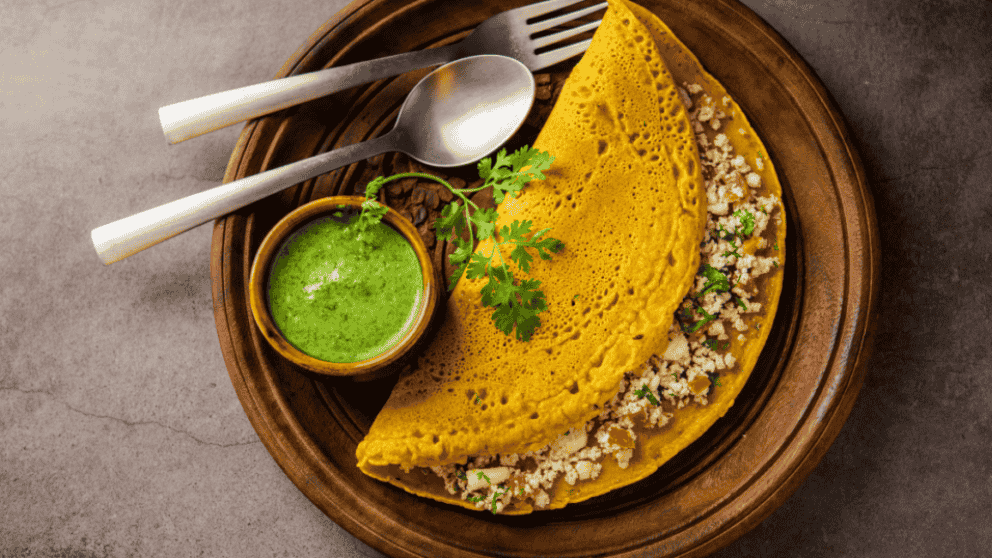
If you haven't tried Moong Dal Chilla yet, you are seriously missing out. Think of it as India's answer to the savory pancake. It is made by blending soaked yellow or green moong dal into a smooth batter, mixing in some basic spices, onions, and green chilies, and cooking it on a hot pan like a dosa.
A single cup of raw moong dal packs almost 24 grams of protein! Even after cooking, a couple of thick chillas will easily push you past the 12-gram mark.
Quick Tip: Want to double the protein? Grate some fresh paneer (Indian cottage cheese) or tofu in the middle, fold it like a taco, and enjoy it with sweet tamarind chutney.
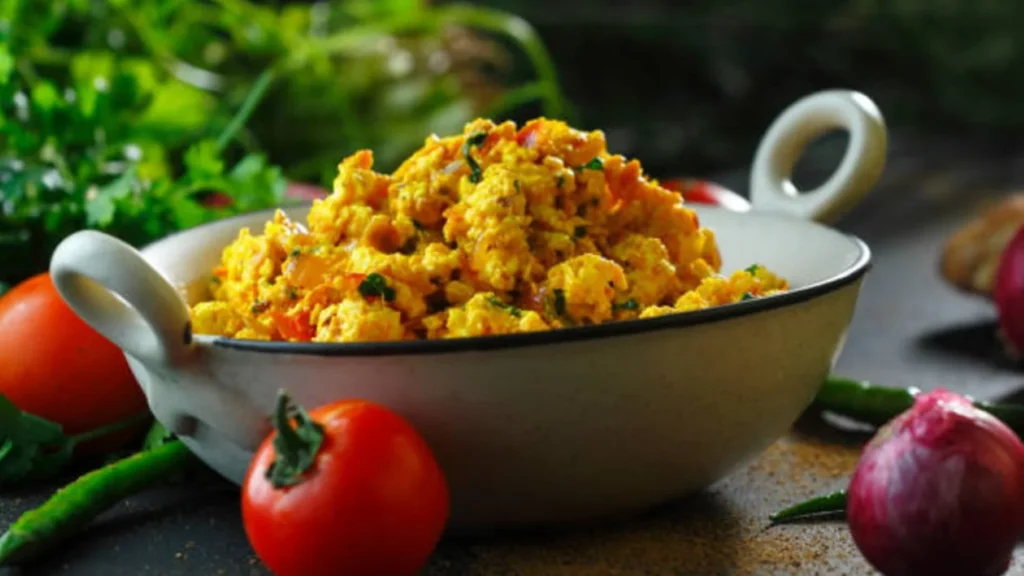
If you love the texture of scrambled eggs but want a vegetarian alternative that tastes a hundred times better, Paneer Bhurji is your best friend. Paneer is a massive source of high-quality protein and healthy fats.
Just 100 grams of paneer will give you around 18 to 20 grams of protein, knocking a two-egg breakfast right out of the park. You just crumble the paneer and toss it into a pan with some oil, cumin seeds, chopped onions, tomatoes, turmeric, and fresh coriander.
Quick Tip: Eat your hot Paneer Bhurji with a couple of toasted whole-wheat rotis or a slice of multigrain bread to keep you full for hours.
3. Pesarattu (Andhra-Style Whole Green Gram Dosa)
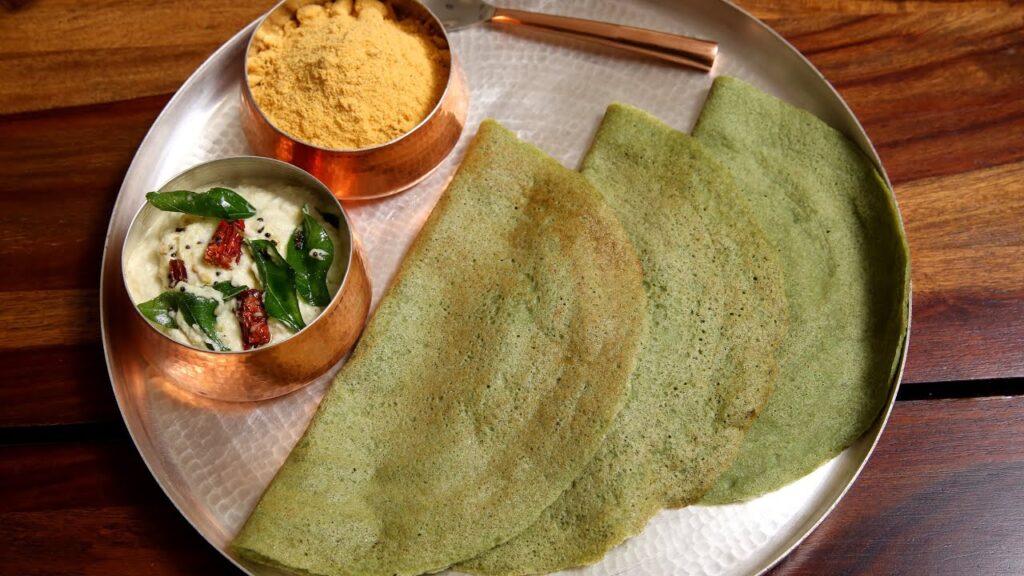
Hailing from the southern state of Andhra Pradesh, Pesarattu is a crispy, savory crepe made entirely from whole green gram (sabut moong). Unlike regular dosas, the batter doesn't need to be fermented overnight, making it much quicker to prepare if you remember to soak the dal.
Because it uses the whole bean with the green skin still on, it is loaded with dietary fiber alongside a heavy hit of protein. Two good-sized Pesarattus will easily give you around 15 grams of protein.
Quick Tip: Traditionally, Pesarattu is served with a zesty ginger chutney. The ginger helps beautifully with digesting all that rich protein!
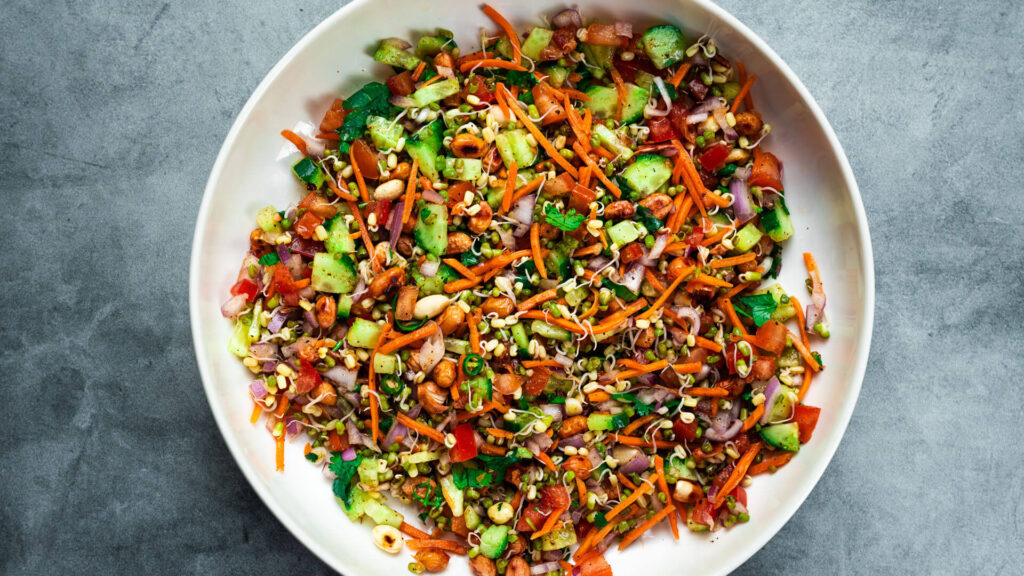
4. Sprouted Moong Usal (Sprout Salad or Curry)
Sprouting your beans is like unlocking a cheat code for nutrition. When you sprout moong beans, not only does the protein become easier for your body to absorb, but the vitamins and minerals multiply too.
A bowl of sprouted moong contains roughly 14 to 15 grams of protein. You can eat it raw as a crunchy salad with chopped cucumbers, tomatoes, onions, and a squeeze of lemon. Or, if you prefer a warm breakfast, you can lightly cook it with mustard seeds, curry leaves, and a pinch of turmeric to make a traditional Maharashtrian Usal.
Quick Tip: Throw in a handful of roasted peanuts on top for an extra crunch and an instant protein boost!
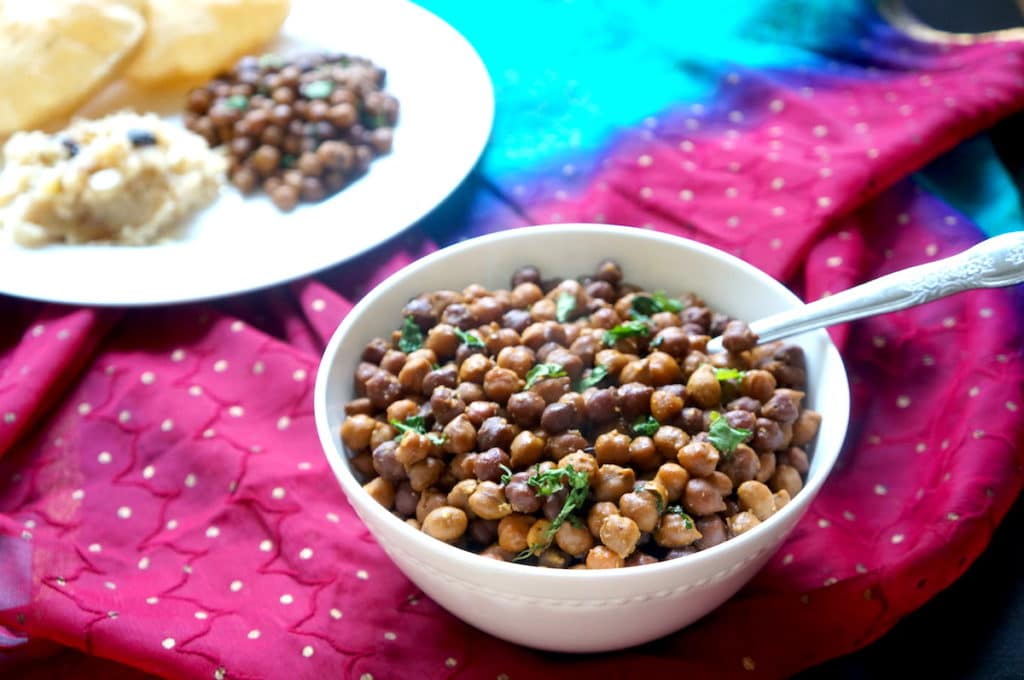
5. Kala Chana Sundal (Stir-Fried Black Chickpeas)
Black chickpeas, or Kala Chana, are absolute nutritional powerhouses. This is a very popular breakfast and snack in South India. One cup of cooked black chickpeas offers around 15 grams of protein and an unbelievable amount of iron, which is great for keeping your energy levels high all day.
There’s more to life than simply increasing its speed.
By Udaipur Freelancer
To make Sundal, the boiled black chickpeas are tossed with a simple tempering of oil, mustard seeds, dried red chilies, fresh curry leaves, and topped with freshly grated coconut. It is naturally vegan, super healthy, and deeply satisfying.
Quick Tip: Boil a big batch of black chickpeas and keep them in your fridge. You can whip up this breakfast in less than 5 minutes on a busy morning!
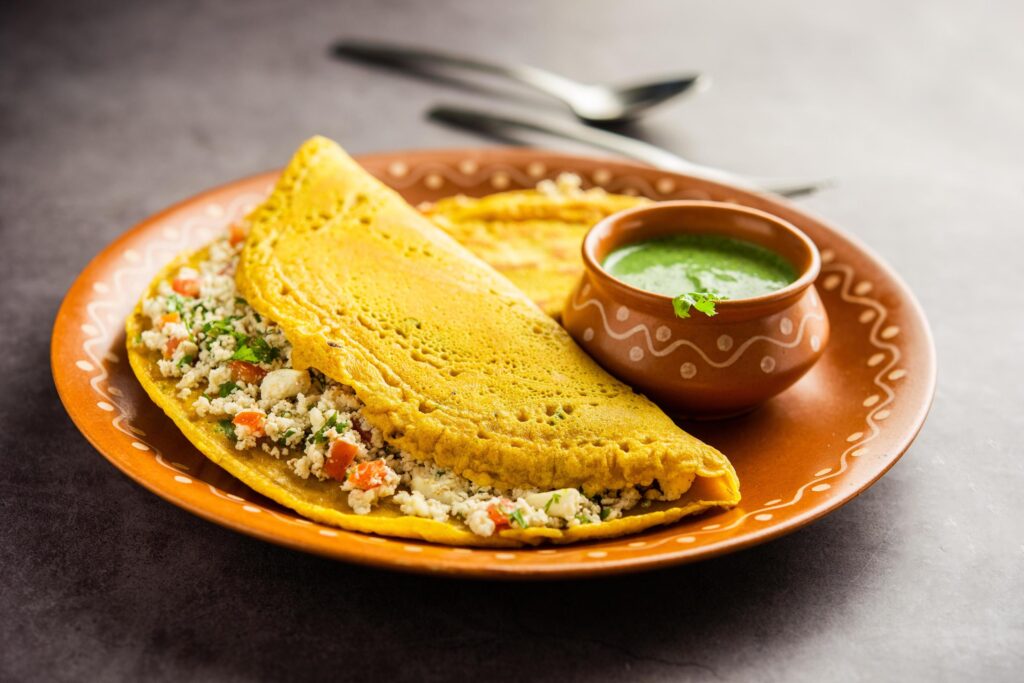
6. Besan Chilla with Paneer Stuffing (Chickpea Flour Pancake)
Besan (gram flour or chickpea flour) is a staple in every Indian kitchen, and for good reason. It is naturally gluten-free and very high in protein compared to regular wheat flour.
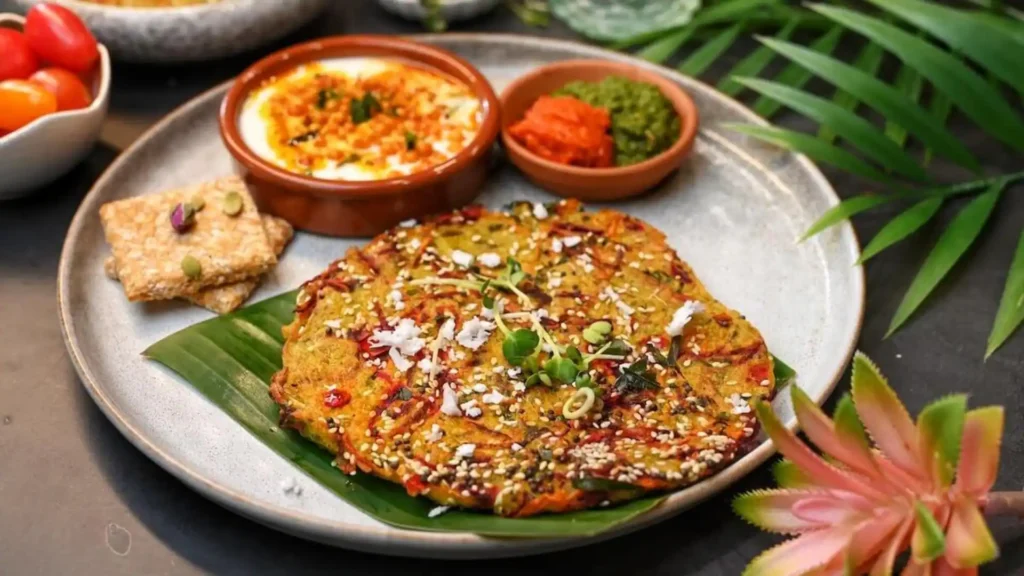
Making a Besan Chilla is incredibly easy. Just mix besan with water, chopped veggies (like spinach, onions, and tomatoes), and a few spices to make a batter. Pour it onto a pan and cook until crispy. On its own, besan provides a great protein punch, but if you stuff it with some grated paneer, you are looking at a meal that delivers upwards of 18 grams of protein.
Quick Tip: Add a spoonful of curd (yogurt) to the batter before cooking. It makes the chillas softer and adds a little extra dose of dairy protein.
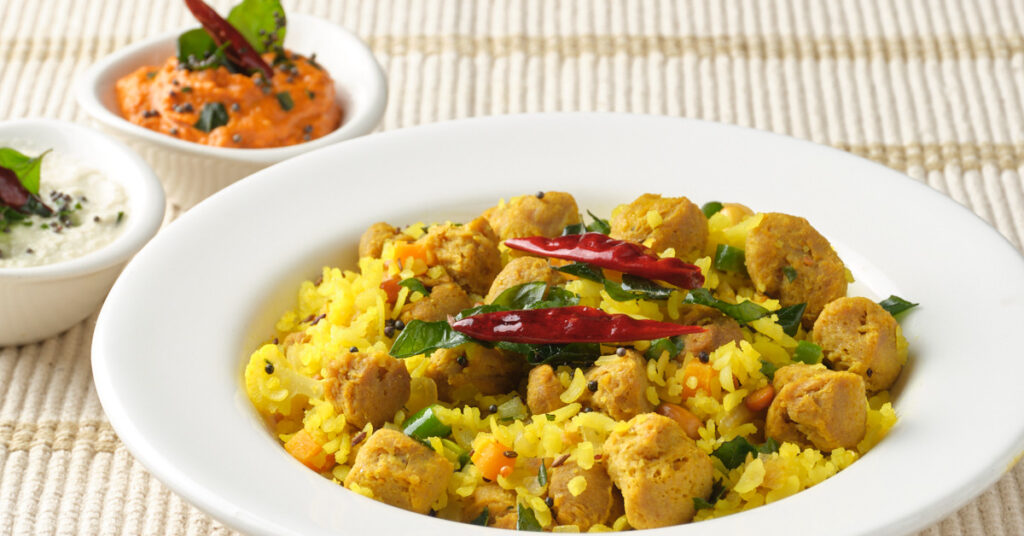
7. Soya Poha or Soya Chunks Upma
If we are talking about protein, we simply cannot forget soya chunks. Soya is often called vegetarian meat because it has an insanely high protein content over 50 grams of protein per 100 grams of raw chunks!
Regular Poha (flattened rice) or Upma (semolina) are classic Indian breakfasts, but they are mostly carbohydrates. By simply soaking a handful of mini soya chunks (or soya granules) and tossing them into your regular Poha or Upma recipe, you instantly transform a carb-heavy dish into a protein-rich super-meal.
Quick Tip: Squeeze plenty of lemon juice over your Soya Poha. The vitamin C in the lemon helps your body absorb the plant-based iron from the soya.
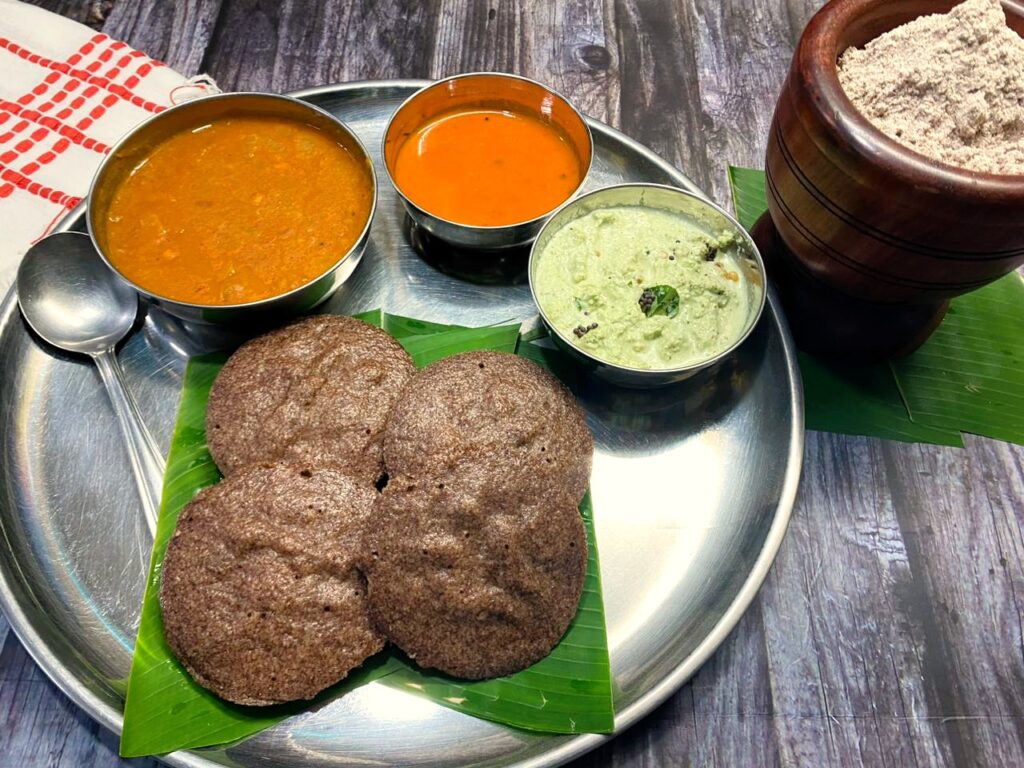
8. Ragi Idli with Thick Peanut Chutney
Ragi (finger millet) is a fantastic, calcium-rich grain. While Ragi itself has a decent amount of protein, the real magic happens when you pair it with the right side dish.
Enter: Peanut Chutney. Peanuts are incredibly rich in protein (about 25 grams per 100 grams). When you eat soft, warm Ragi Idlis dipped into a thick, spicy, freshly ground peanut chutney, you are easily consuming more protein than two boiled eggs could ever give you. Plus, idlis are steamed, meaning this breakfast uses almost zero oil.
Quick Tip: Add a handful of roasted chana dal (split chickpeas) to your blender when making the peanut chutney. It makes the chutney creamier and adds even more protein.
Wrapping It Up
There you have it! Who said you need to rely on eggs to get your morning protein fix? Indian cuisine is incredibly smart and balanced, offering countless ways to start your day with a solid dose of nutrition.
Whether you love the crunch of a crispy Dosa, the comfort of scrambled Paneer, or the fresh bite of a Sprout salad, there is a high-protein Indian breakfast out there for you. The best part? They are all totally natural, easy to make, and packed with flavor.
Which one of these traditional breakfasts are you going to try tomorrow morning? Let me know in the comments below!
(Don't forget to share this post with your vegetarian friends who are always looking for new protein ideas!)
Udaipur Freelancer delivers high-quality web, marketing, and design solutions. We focus on building impactful digital experiences that help your brand succeed in today's market.













Recommended for you
Must-See Art Exhibitions Around the World This Year
The Revival of Classical Art in a Digital Age
Breaking Down the Elements of a Masterpiece Painting
The Revival of Classical Art in a Digital Age