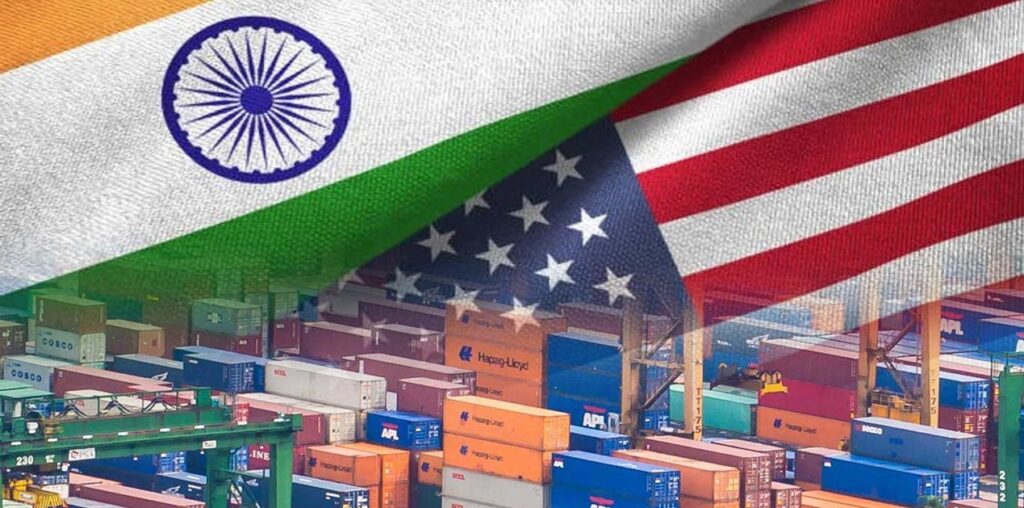
Have you ever wondered what really happens behind the closed doors of international politics? We hear about trade wars, tough talks, and deals falling apart. But sometimes, against all odds, a breakthrough happens. The India-US trade deal was one such story a deal that seemed almost impossible for years, but finally came through.
This wasn't just about signing papers. It was a story of high-stakes drama, personal relationships, and clever diplomacy. So, grab a cup of tea, and let's dive into the inside story of how this landmark deal was finally sealed.
A Deal That Seemed Stuck Forever
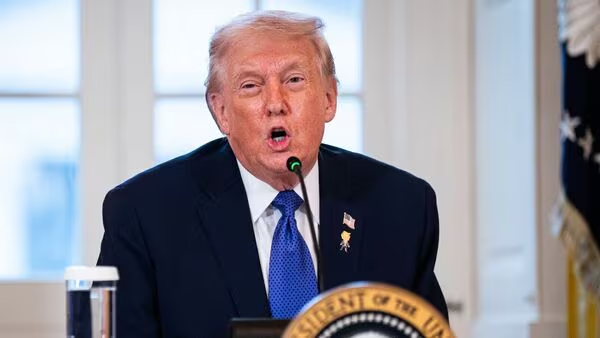
For a long time, the world watched as India and the United States, two of the world's biggest democracies, were locked in a tense trade standoff. On one side was President Donald Trump with his 'America First' policy, ready to impose tariffs to protect American interests. On the other was India, a rapidly growing economy with its own priorities to protect.
The situation was so tense that many experts believed a deal was simply not possible. The world was used to seeing headlines about the US-China trade war, where China was slapped with tariffs as high as 50%. While the tariffs on India were lower, around 10%, the tension was real. A deal looked like a distant dream, and for years, negotiations went nowhere. So, what changed? How did we go from a deadlock to a deal?
The Escalation and Economic Impact of US-India Trade Disputes
To understand the breakthrough, we first need to understand how serious the conflict was. It wasn't just talk. it was a full-blown economic tit-for-tat.
It started when the US imposed a hefty 25% tariff on Indian products like steel and aluminum. This was a big blow. But India didn't just sit back. In a strong response, India hit back with its own retaliatory tariffs on 28 different American products.
This back-and-forth created a cycle of tension. The conflict was costing both sides. The United States was reportedly losing around $200 billion due to these trade disputes, and India was feeling the economic pressure as well. It was clear that this tariff war was not helping anyone. A solution was needed, and fast.
The Secret Ingredient: The Modi-Trump Personal Chemistry
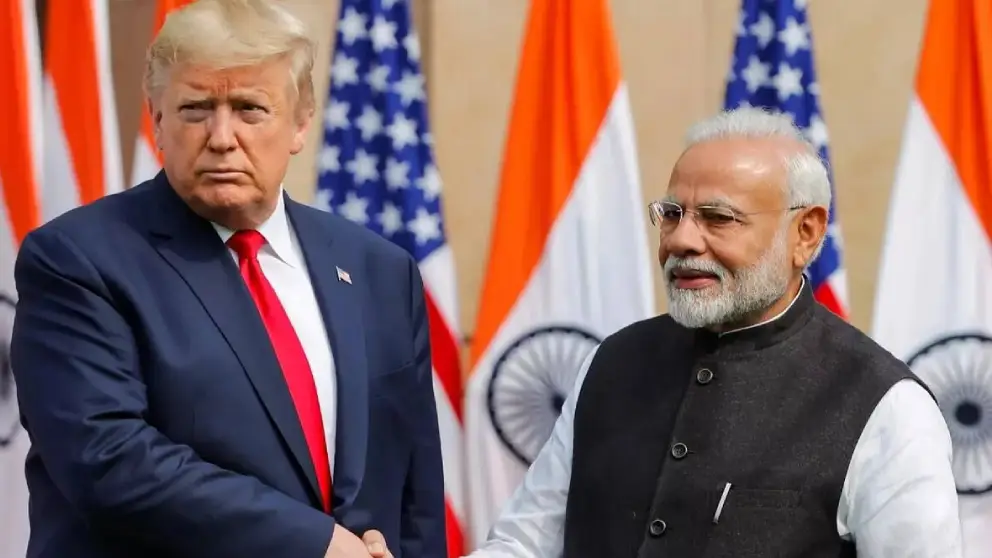
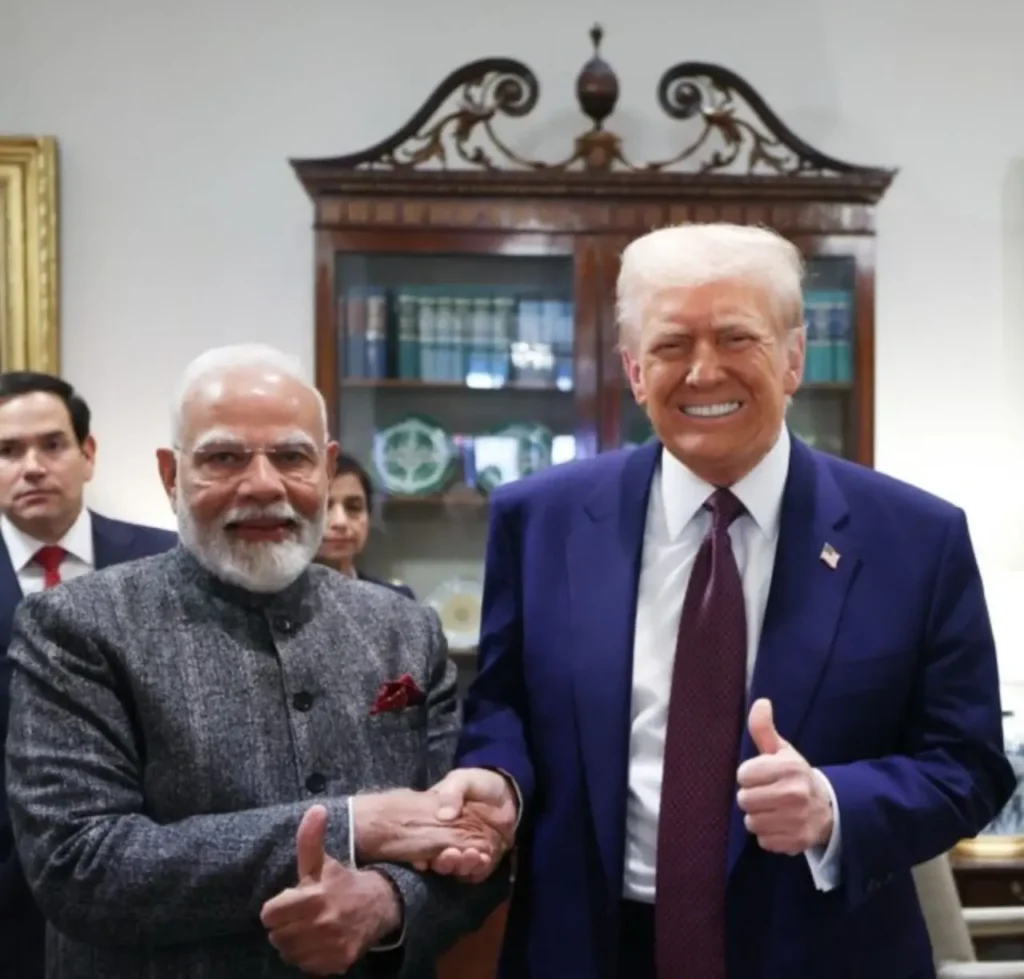
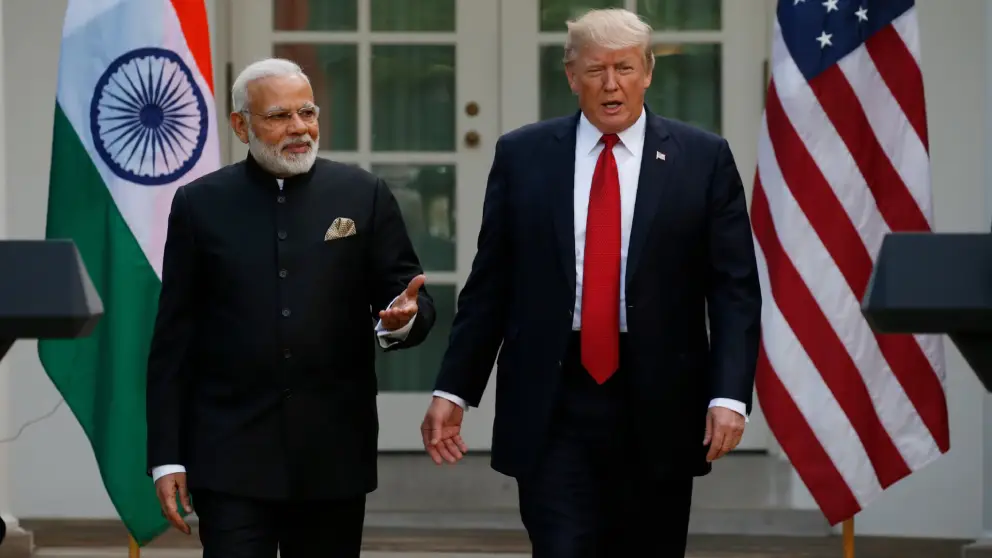
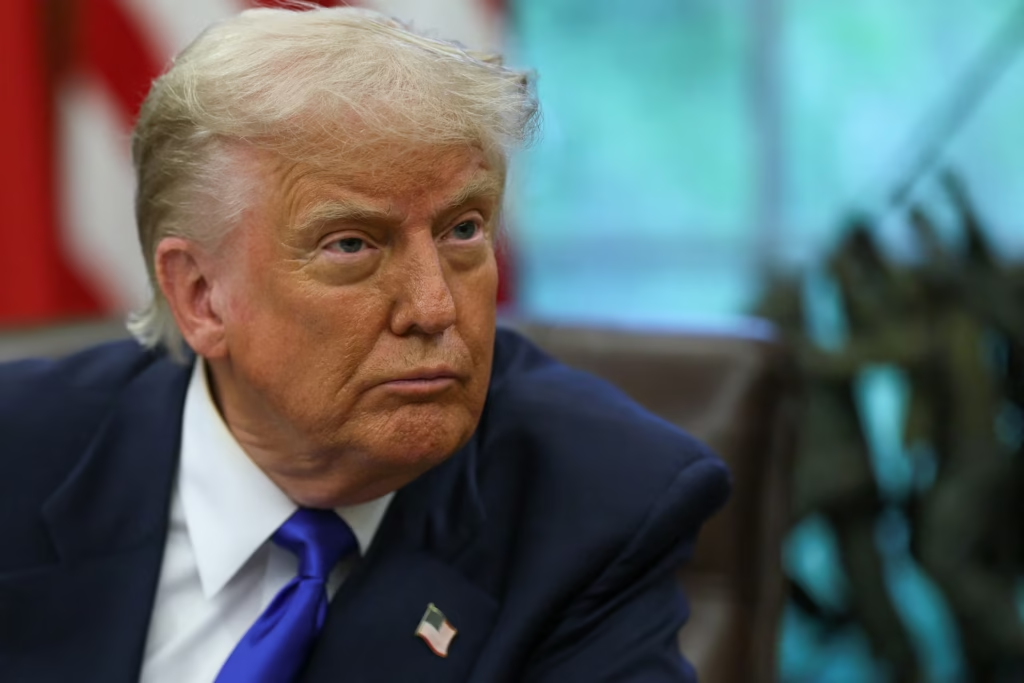
In the world of tough negotiations and economic data, we often forget the human element. The real game-changer in the India-US trade deal was the strong personal relationship between Prime Minister Narendra Modi and President Donald Trump.
This wasn't just a formal, political relationship. It was a genuine bond of respect and understanding. PM Modi’s powerful diplomacy and personal chemistry with world leaders have been a hallmark of his foreign policy. He was able to cut through the bureaucratic red tape and have direct, honest conversations with his American counterpart.
This personal touch helped build trust. When official talks would hit a wall, this personal connection allowed both leaders to find a way forward. It was this chemistry that laid the foundation for breaking the long-standing deadlock.
Leadership and Crisis Management Regarding the Russian Oil Negotiation
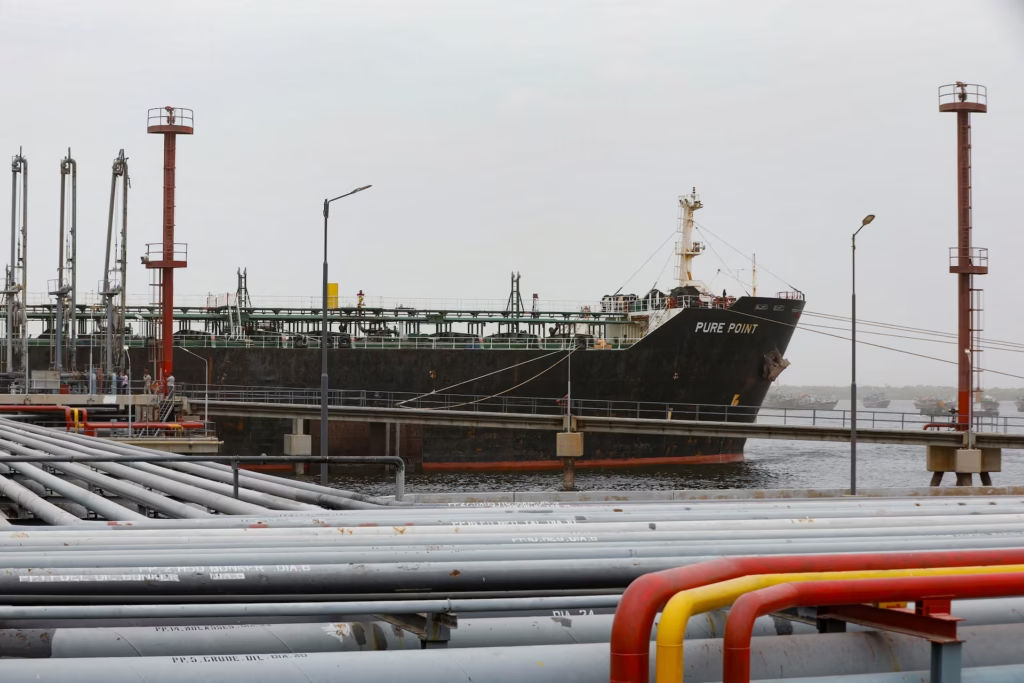
Here’s a part of the story you probably haven’t heard. One of the biggest obstacles threatening to derail the entire deal was India’s decision to buy oil from Russia. At a time of global tensions, the US was not happy about this at all. It became a major sticking point, and for a moment, it looked like this single issue could sink the entire negotiation.
This is where PM Modi's diplomacy shone. Instead of letting the deal collapse, he took the matter into his own hands. He personally explained India’s position to the American leadership. He laid out India’s energy needs, its economic compulsions, and its strategic reasons for the decision.
There’s more to life than simply increasing its speed.
By Udaipur Freelancer
It was a bold and honest conversation. And it worked. The American side, after hearing the explanation directly, understood India's perspective. They realized that pressuring India on this would not work and could harm the larger relationship. This single act of diplomatic skill removed the biggest hurdle and put the trade deal back on track. It was a masterstroke that saved the day.
Mutually Beneficial Outcomes of the Indo-US Trade Negotiations
So, what did both sides agree to? A good deal is one where everyone feels like they've won something, and this was exactly that.
What India Got:
The US agreed to remove its tariffs on Indian steel and aluminum.
More importantly, America agreed to restore India’s GSP (Generalized System of Preferences) status. This was a huge win, as it allows many Indian products to enter the US market with zero or very low duties.
What the US Got:
India agreed to remove its retaliatory tariffs on 28 American products.
India agreed to lower its tariffs on 18 key American agricultural products, giving US farmers better access to the Indian market.
India also agreed to reduce duties on certain American medical devices.
The bigger picture was even more promising. The deal aimed to address the $130 billion trade deficit that the US was concerned about and set both nations on a path towards an ambitious goal of $500 billion in bilateral trade.
The Global Impact of Prime Minister Modi’s International Trade Strategy
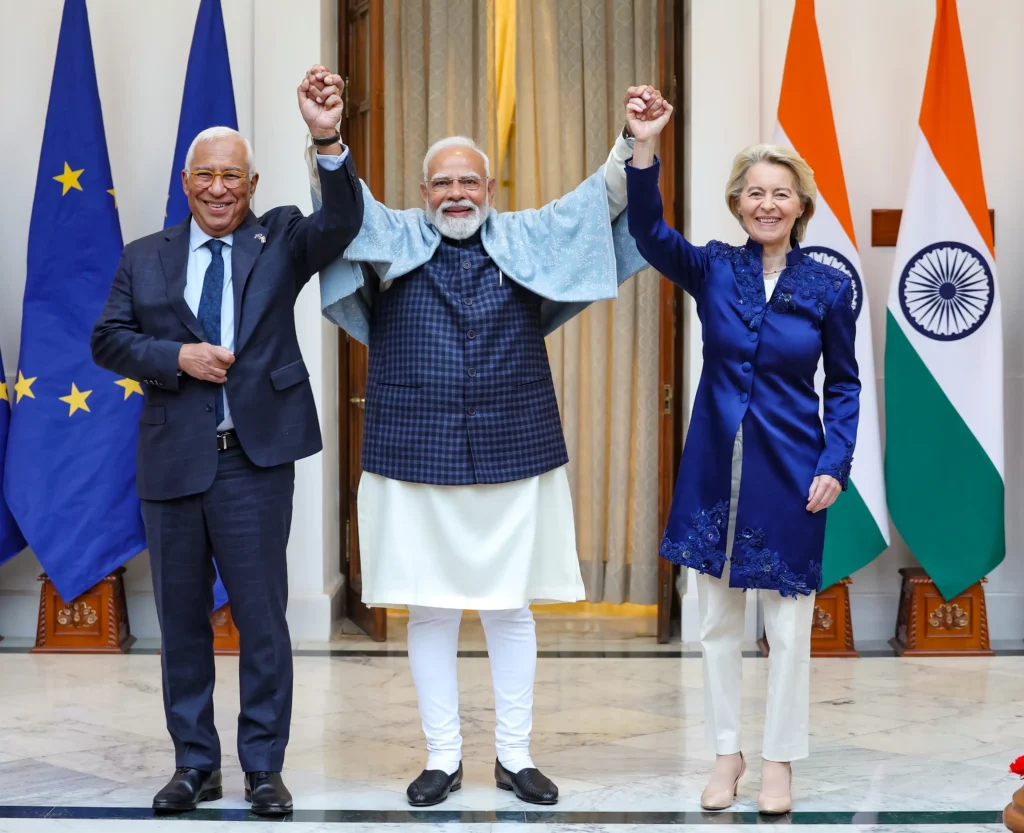
This breakthrough with the US wasn't a one-off event. It was part of a larger pattern of successful international agreements secured under PM Modi's leadership. The phrase 'Modi Hai Toh Mumkin Hai' (With Modi, it's possible) began to echo in the corridors of global trade.
Just look at the track record:
A massive 'Mother of All Deals' with the European Union.
Successful trade deals with Britain, Oman, and New Zealand.
The US deal was another feather in the cap, proving that with the right strategy, even the toughest negotiations can lead to a win-win outcome.
Conclusion: A Victory for Diplomacy
The untold story of the India-US trade deal is not just about tariffs and trade balances. It’s a story about how personal relationships, smart diplomacy, and a willingness to understand each other’s perspectives can overcome even the biggest obstacles.
It shows that in the complex world of global politics, a handshake and a frank conversation can sometimes be more powerful than any economic threat. This deal didn't just benefit the economies of India and the US. it strengthened the bond between two great nations, paving the way for a brighter, more cooperative future.
Udaipur Freelancer delivers high-quality web, marketing, and design solutions. We focus on building impactful digital experiences that help your brand succeed in today's market.













Recommended for you
Must-See Art Exhibitions Around the World This Year
The Revival of Classical Art in a Digital Age
Breaking Down the Elements of a Masterpiece Painting
The Revival of Classical Art in a Digital Age