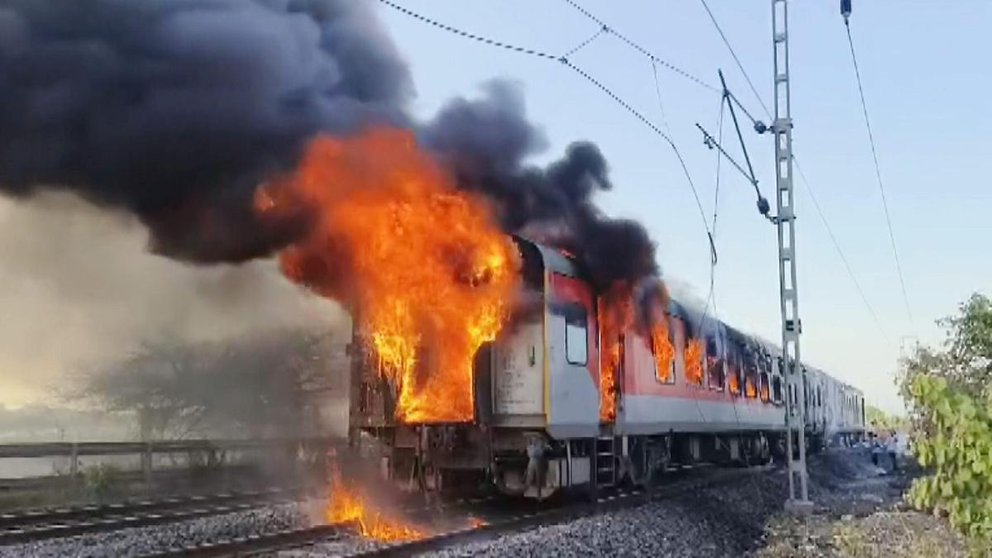
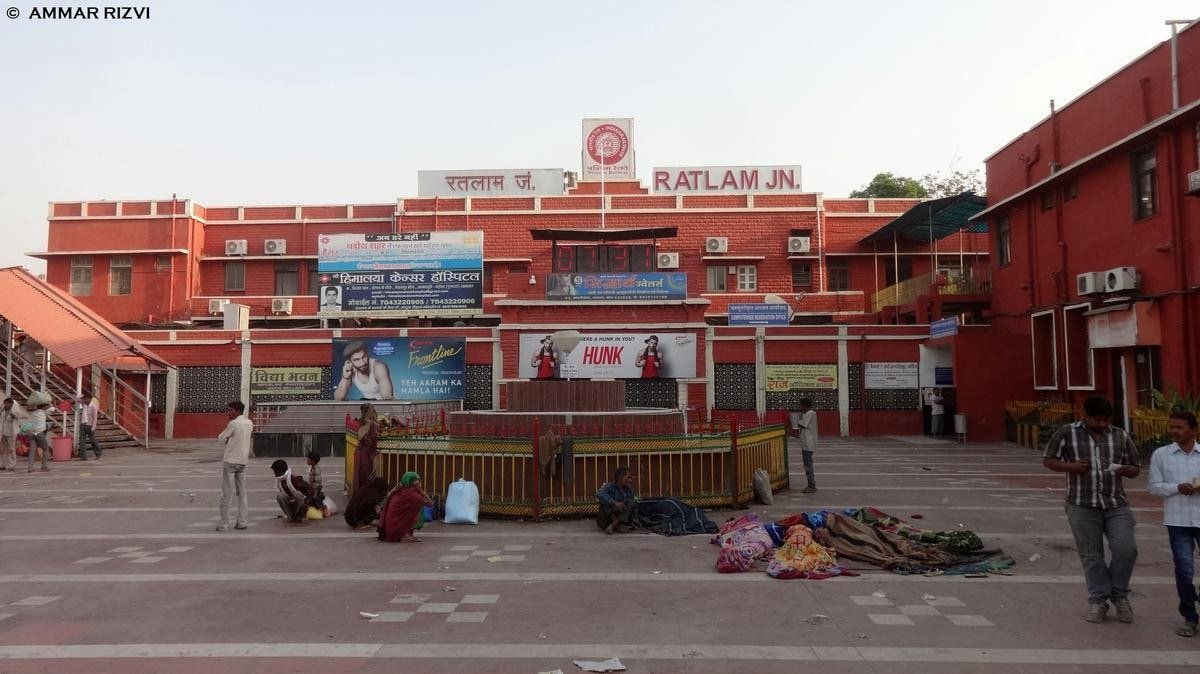
Early Sunday morning, passengers aboard the Thiruvananthapuram-Hazrat Nizamuddin Rajdhani Express experienced what could only be described as a nightmare come true. A massive fire broke out in one of the premier trains in India, near Ratlam in Madhya Pradesh. While the images and reports are alarming, the most crucial news, and indeed a tremendous relief, is that all passengers and railway staff are safe. No injuries or casualties have been reported, turning a potentially tragic incident into a testament to quick thinking and effective emergency response.
The Incident Unfolds: A Sudden Scare
The fire was first detected around 5:15 AM between Luni Richha and Vikramgarh Alot stations, under the West Central Railway's Kota Division. It affected the B-1 coach and an adjoining Seating cum Luggage Rake (SLR) coach of Train No. 12431. At the time, there were 68 passengers in the B-1 coach. Imagine being woken up by smoke and flames in the middle of your journey – a truly frightening experience for anyone.
The quick action of the train guard was paramount. Noticing smoke and flames, they immediately alerted the loco pilot. This swift communication triggered an emergency protocol that saved lives. The train was brought to a halt, and emergency evacuation procedures began without a moment's delay. This highlights the critical role of trained railway personnel in ensuring passenger safety, often under high-pressure circumstances.
A Flawless Evacuation: Every Second Counted
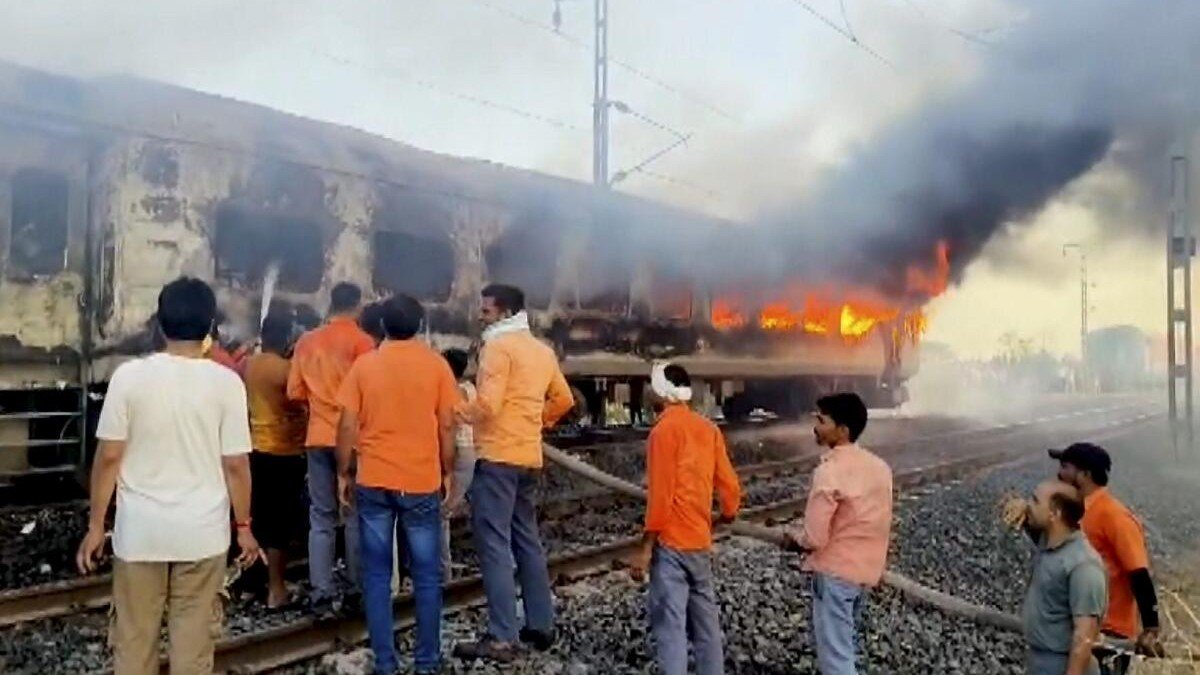
Once the train stopped, the overhead electric (OHE) supply was cut off instantly – a vital step to prevent further hazards. Railway Protection Force (RPF) personnel, along with the onboard railway staff and other officials, wasted no time. They began de-boarding passengers from the affected coach, and incredibly, the B-1 coach was cleared within approximately 15 minutes. Adjacent coaches were also evacuated as a precaution, showing the comprehensive approach taken to safeguard everyone on board.
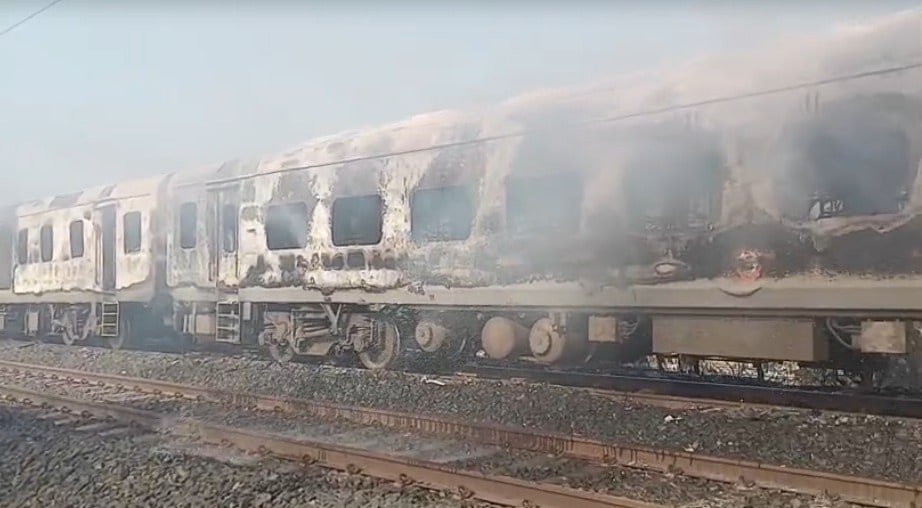
“All passengers of the affected coach were safely deboarded. No injury or casualty to any passenger or railway staff. OHE supply was cut immediately. The affected B-1 coach was detached from the rake,” stated the West Central Railway, Kota Division. This official statement underscores the success of the evacuation efforts and the immediate steps taken to isolate the fire source. Detaching the burning coach was crucial to stop the fire from spreading to the rest of the train, preventing a much larger catastrophe.
Rapid Response and Restoration Efforts
Soon after the incident was reported, relief and rescue teams from the Kota Railway Division were dispatched to the site. Senior railway officials, including DRM Anil Kalra, along with police and fire department teams, arrived promptly to oversee rescue and restoration operations. Their presence ensures that all necessary resources are deployed and coordinated effectively. This collaborative effort demonstrates the robust emergency response system in place, ready to handle unforeseen challenges.
While safety was the top priority, the incident naturally caused disruptions. Rail traffic on the vital Delhi-Mumbai route was affected, with train movement halted for nearly two hours. This was necessary to allow railway officials to carry out rescue operations and conduct thorough safety checks at the site. Senior Divisional Commercial Manager of Kota Division, Saurabh Jain, confirmed that additional coaches from Kota were being arranged for the affected passengers, and the remaining part of the train was expected to continue its journey once operational formalities were completed. This focus on getting passengers to their destination, while ensuring safety, is commendable.
There’s more to life than simply increasing its speed.
By Udaipur Freelancer
The Investigation: Finding Answers and Ensuring Future Safety
The cause of the fire remains unknown at this point. Railway authorities have launched a full investigation, with officials meticulously examining the affected coach and related equipment to pinpoint the source of the blaze. Understanding why such incidents occur is paramount to preventing them in the future. Modern railway systems are complex, involving sophisticated electrical and mechanical components, and any malfunction can have serious consequences. For instance, while we talk about new advances in transport like how JSW is set to launch a new plug-in hybrid SUV in India, the foundational safety of existing public transport systems remains crucial.
What makes this incident particularly concerning is that it's the second such event in a short span. Just two weeks prior, on May 15, a fire erupted in two air-conditioned coaches of the Hyderabad-Jaipur Special Express at Nampally Railway Station. That incident, which occurred in the B1 and B2 coaches shortly before departure, also reported no casualties, thankfully. These back-to-back occurrences, while thankfully without loss of life, raise important questions about maintenance, operational checks, and fire safety protocols across the railway network. It's a stark reminder that even as we marvel at medical breakthroughs, such as how mRNA technology is reshaping the future of oncology, ensuring basic safety in everyday travel remains a critical challenge that requires constant vigilance.
Lessons Learned and Moving Forward
The Rajdhani Express fire, despite its alarming nature, serves as a powerful case study in effective emergency management. The speed of detection, the decisive actions of the crew, the orderly evacuation, and the rapid deployment of rescue teams collectively ensured a positive outcome. It's a testament to the training and dedication of railway personnel. However, the recurring nature of these incidents also points to the need for deeper scrutiny into the causes and implementation of even more stringent preventive measures.
Passengers rely heavily on Indian Railways for safe and comfortable travel, and incidents like these can shake public confidence. The ongoing investigation will hopefully provide clear answers and lead to enhancements that further bolster railway safety. It’s imperative that these investigations are thorough, transparent, and result in actionable changes. Our railways are the lifelines of the nation, and their safety must always be the highest priority. For now, we breathe a collective sigh of relief that all passengers are safe, and commend the efforts of everyone involved in the rapid and successful evacuation.
Udaipur Freelancer delivers high-quality web, marketing, and design solutions. We focus on building impactful digital experiences that help your brand succeed in today's market.












Recommended for you
Must-See Art Exhibitions Around the World This Year
The Revival of Classical Art in a Digital Age
Breaking Down the Elements of a Masterpiece Painting
The Revival of Classical Art in a Digital Age