Have you ever thought about how an event happening thousands of kilometers away could decide whether you get to eat your favorite plate of masala dosa or vada pav today? It sounds like a crazy movie plot, but it is exactly what is happening right now across India.
A major conflict happening in Iran, which is around 3,000 kilometers away from us, is sending shockwaves straight into Indian kitchens, hotels, and our favorite local restaurants. The ongoing war has caused a massive ripple effect across the globe. Because of this, a very important water route for ships, called the Strait of Hormuz, has been effectively closed off.
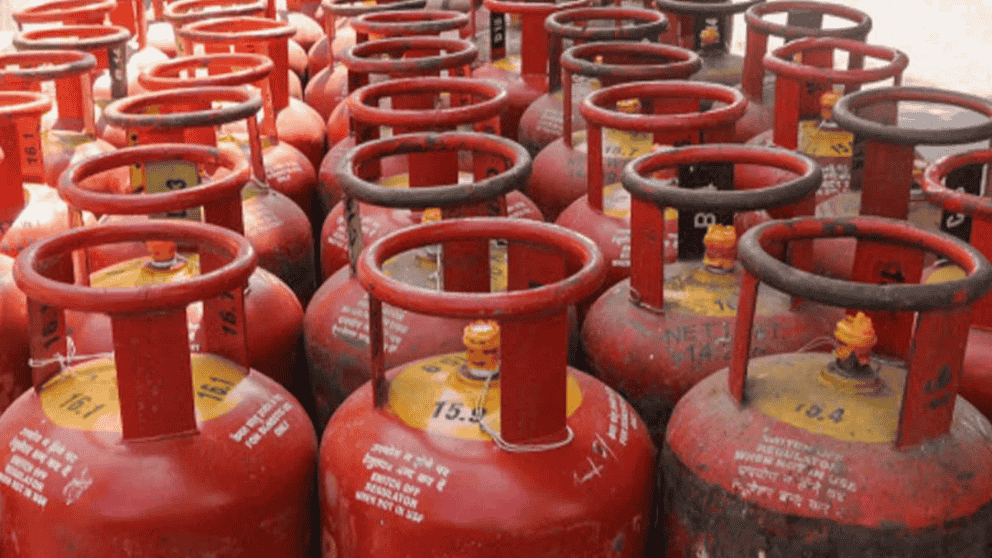
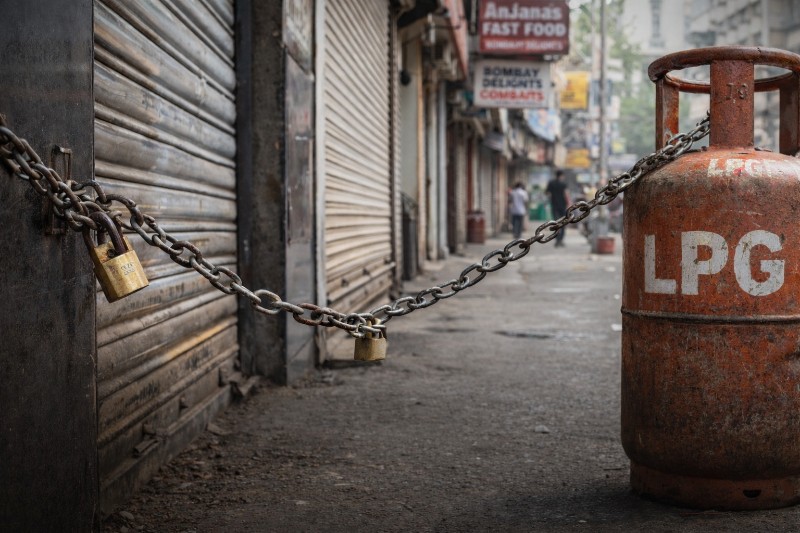
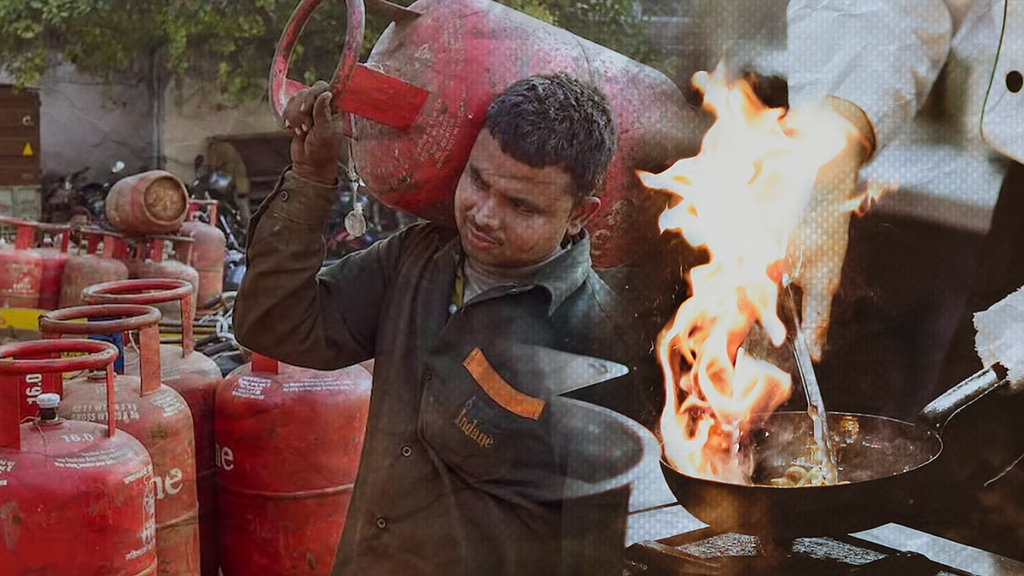
Why does a closed water route matter to us? Because it has led to a huge shortage of LPG cooking gas right here in India. While families are feeling a bit of the pinch, the real crisis is hitting the hospitality sector super hard. Restaurants and hotels in places like Maharashtra, Tamil Nadu, and Karnataka are struggling to keep their fires burning. We are seeing long, winding lines outside LPG agencies, but the panic is the worst for eatery owners in big cities like Bengaluru, Chennai, Mumbai, Kolkata, and Lucknow.
Let's dive deep into what is really going on, why our favorite food spots are shutting down, and what the government is doing about it.
The Big Question: Why Are We Running Out of Gas?
To understand this problem, we need to look at a stark reality. India relies heavily on other countries for its cooking gas. We import over 60% of our domestic LPG requirement. And here is the scary part, nearly 80% to 90% of all those imports pass right through that closed-off area, the Strait of Hormuz. When that route gets blocked, our supplies become extremely vulnerable.
Let's look at the numbers. India consumes a massive 27 million tonnes of LPG every single year. Out of this total amount, 87% is used in the domestic sector meaning it goes to regular household kitchens. The remaining gas goes to hotels, restaurants, and other commercial spaces.
Why Are Hotels and Restaurants the Worst Affected?
As this global conflict enters its second week, the supply of commercial gas cylinders has been badly disrupted. This has created a very worrying situation for people who love eating out. Your humble daily snacks, like a vada pav or a masala dosa, could soon become much more expensive, or they might just temporarily disappear from the menus entirely if this gas shortage continues.
A big reason for this panic is that the hospitality industry totally depends on commercial LPG cylinders to run their daily kitchen operations. Unlike some modern homes, a majority of restaurants do not have alternative options. They don't have piped natural gas (PNG) connections, and they do not have large-scale electric cooking systems set up.
Because they rely solely on cylinder gas, the lack of supply has crippled eateries. And it is not just the massive metro cities taking the hit. Even restaurants in areas like Pune, Bhopal, and Puducherry are finding it hard to operate.
Mumbai Eats: Staring at a Complete Shutdown
The crisis is incredibly severe in Mumbai. The Mumbai Hotels Association, known as AHAR, has shared some terrifying news for food lovers. They stated that around 20% of hotels and restaurants in the city have already shut their doors. Even worse, they have warned that up to 50% of hotels could shut down within the next couple of days if the gas supply does not get better.
If you walk around popular food hubs in areas like Dadar and Andheri, you will notice changes. Eateries have already started shortening their menus, offering fewer dishes. They are also cutting down their operating hours just to save whatever little gas they have left in stock.
Part of the reason restaurants are feeling so squeezed is because the government had to make a tough choice. On Monday, the Centre used the Essential Commodities Act to make sure regular households get an uninterrupted supply of domestic cooking gas. They prioritized families over businesses. Plus, any non-domestic LPG that is available is being saved for highly essential sectors, like hospitals and educational institutions. Because of this, restaurant owners claim that commercial gas supplies have pretty much completely stopped since Sunday.
There’s more to life than simply increasing its speed.
By Udaipur Freelancer
Bengaluru: Going Back to Firewood
The situation is pretty much the same in Karnataka's booming IT hub, Bengaluru. With no commercial gas available, many hotels are taking desperate measures. Several places have actually started arranging firewood so they can light up traditional stoves just to prepare food for their customers!
The Bangalore Hotels Association warned that operations across the whole city would be badly affected starting from March 12. They called this sudden stop in gas supply a "big blow." What makes it more frustrating for them is that oil companies had previously promised that supplies would not be affected for around 70 days.
Let's look at Vidyarthi Bhavan, an iconic and famous breakfast joint in Bengaluru. They are now staring at a possible shutdown. The owner shared a very real and sad update with India Today, saying: “As of now, I have five gas cylinders left, which might last until tomorrow afternoon. After that, if I don't have gas, I will have to shut down. I have already put off two tawas to conserve gas.”
Chennai and Kolkata Also Face the Brunt
The story repeats itself in Tamil Nadu. Several restaurants in Chennai are being forced to close up shop. The Chennai Hotel Association even wrote a formal letter to Petroleum Minister Hardeep Puri. They explained that commercial LPG distributors have completely stopped supplying cylinders because they just have zero stock available. Because of this, popular spots like Hotel Annapoorna have decided to drastically reduce their menu offerings and cut back their operations.
Over in Kolkata, bakers and restaurant owners are watching their gas stocks dry up. The Hotel and Restaurant Association of Eastern India mentioned that while they had a little bit of supply till Monday, it has completely stopped since the morning. Sudip Mullick, the owner of the famous sweet shop Balaram Mullick and Radharaman Mullick, shared his worry. He said his central kitchen uses at least 40 cylinders every single day. But with no supply coming in, he mentioned he might have to completely halt operations if things do not improve fast.
What Steps Has the Government Taken?
So, what is the Centre doing about all this chaos? Officially, the government has maintained that there is no actual shortage of LPG cylinders. However, they have taken several steps to manage the panic:
They directed refineries to maximize their gas production and push that extra output towards domestic household use.
To stop people from panic-buying and hoarding gas, the government increased the waiting period to book an LPG cylinder from 21 days to 25 days.
Prices have gone up. The price of a domestic LPG cylinder was hiked by Rs 60 (pushing the price to Rs 913 in Delhi).
The price for a commercial LPG cylinder the ones restaurants use saw a massive hike of Rs 711.5.
Seeing the massive crunch faced by the hospitality industry, the Centre has formed a special committee. This group includes three executive directors from oil marketing companies (OMCs), and their job is to review the requests for LPG supplies from restaurants.
The Ground Reality
Even though the government says things are under control, the people running the restaurants disagree. The National Restaurant Association of India (NRAI) clearly stated that the reality on the ground is totally different.
In a statement, the NRAI pointed out, “The government has clarified that there is no ban on the supply of commercial LPG cylinders for the restaurant industry. However, the ground situation is different, with suppliers expressing an inability to supply the same.”
So, next time you go out to eat and find your favorite local spot closed or serving a limited menu, you will know exactly why. A conflict happening oceans away is directly impacting the flames in our local kitchens. We can only hope that supply chains get back to normal soon, so our favorite food businesses can survive this tough phase!
Udaipur Freelancer delivers high-quality web, marketing, and design solutions. We focus on building impactful digital experiences that help your brand succeed in today's market.













Recommended for you
Must-See Art Exhibitions Around the World This Year
The Revival of Classical Art in a Digital Age
Breaking Down the Elements of a Masterpiece Painting
The Revival of Classical Art in a Digital Age