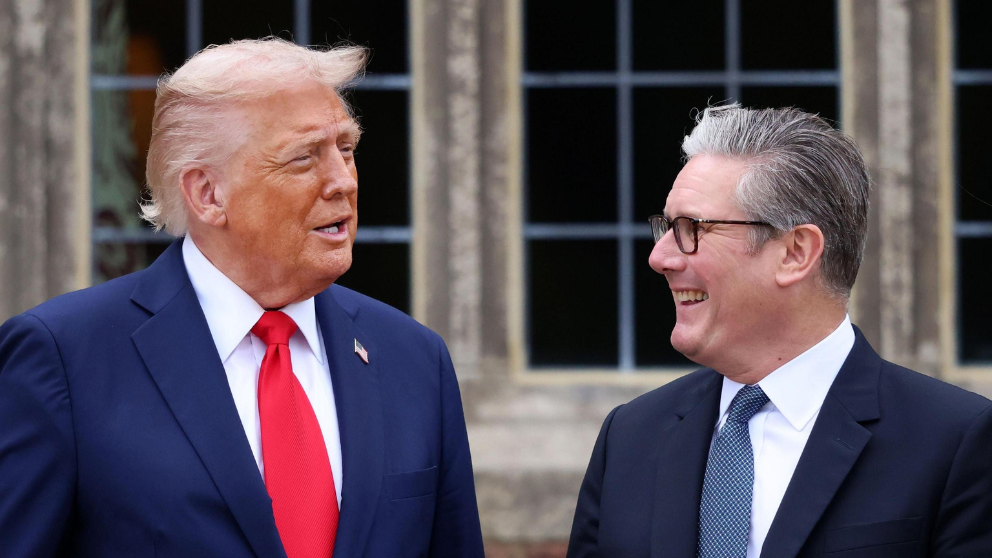
The historic Special Relationship between the United States and the United Kingdom is currently facing one of its most severe stress tests in recent memory. A bitter diplomatic rift has erupted between Washington and London, fueled by the escalating crisis in the Middle East. At the center of the storm is US President Donald Trump, who has openly intensified his criticism of UK Prime Minister Keir Starmer, delivering a stinging rebuke regarding Starmer's handling of the recent strikes on Iran.
In a highly publicized moment, Trump went so far as to claim that Starmer completely lacks the decisive leadership qualities of Britain’s revered wartime leader, Winston Churchill. But what exactly sparked this trans-Atlantic feud, and what does it mean for the future of global security? Let's dive deep into the escalating tensions, the military maneuvers, and the political fallout.
The Breaking Point: The First Wave of Strikes on Iran
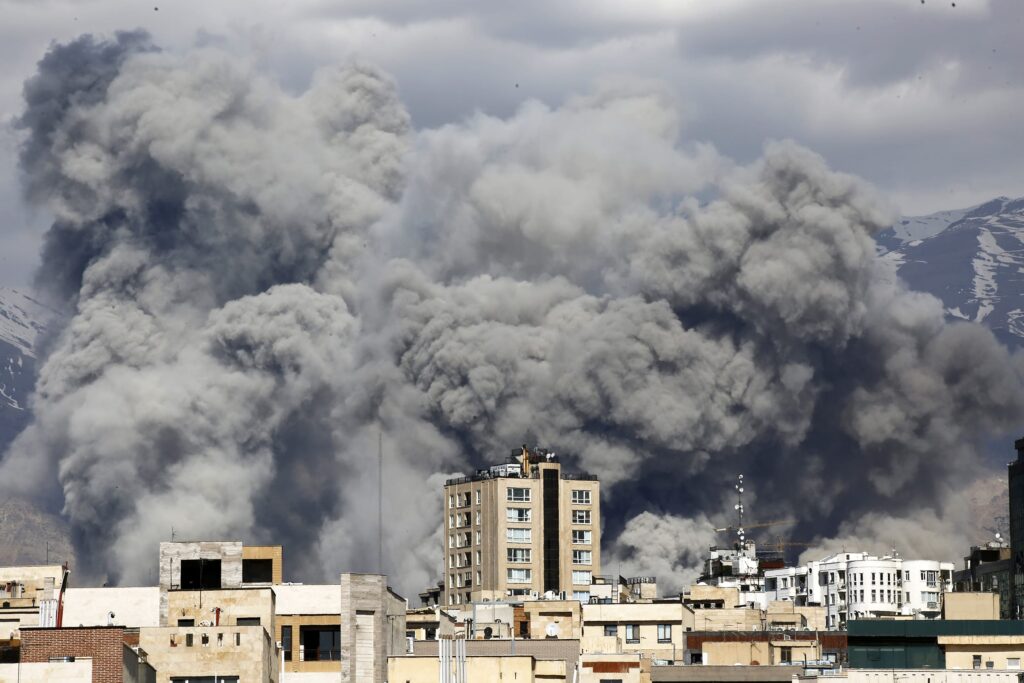
The current diplomatic standoff did not happen in a vacuum. It was triggered by the high-stakes military operations unfolding in the Middle East. Tensions reached a boiling point after the United States and Israel launched a massive first wave of coordinated military strikes on Tehran. These strikes resulted in a significant geopolitical earthquake, the death of Iranian Supreme Leader Ayatollah Ali Khamenei.
However, Washington’s aggressive military posture was met with unexpected hesitation from its closest ally. The UK government, under the leadership of Prime Minister Keir Starmer, initially declined to allow British military forces to participate in the first wave of strikes. Crucially, London also refused to allow the US to use strategic UK airbases for the offensive operation.
This hesitation infuriated President Trump, who viewed the UK's reluctance as a failure of loyalty and decisive action during a critical global crisis. For Trump, the expectation was clear. allies act together immediately. Starmer’s cautious approach was interpreted not as strategic patience, but as weakness.
Not Winston Churchill: Trump's Scathing Oval Office Critique
President Trump did not keep his frustrations behind closed doors. He chose a highly visible diplomatic setting to air his grievances against the British Prime Minister. During a meeting in the Oval Office with German Chancellor Friedrich Merz, Trump openly expressed his profound disappointment with London’s stance.
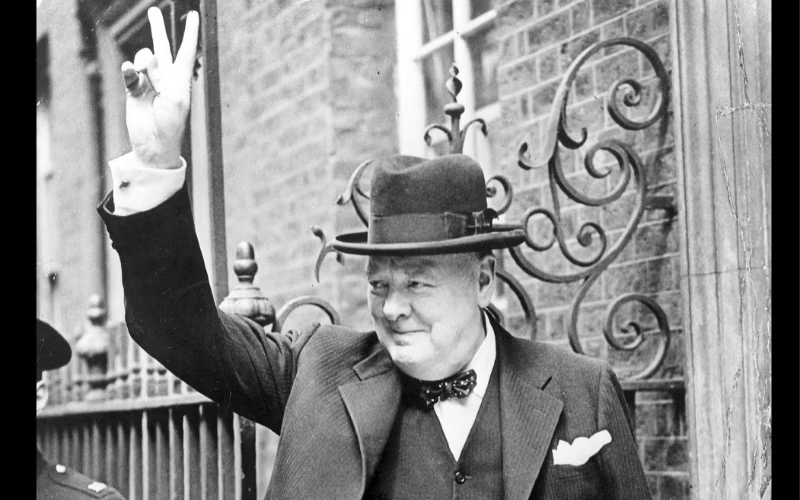
Taking a direct shot at Starmer’s leadership style, Trump stated, "This is not Winston Churchill that we're dealing with."
By invoking the name of Winston Churchill the quintessential symbol of British defiance, courage, and wartime leadership Trump aimed to deliver a devastating political insult. He was explicitly criticizing Starmer's reluctance to immediately back combined military action against Iran. Trump has reportedly criticized Starmer multiple times over the past week, making it clear that he views the current UK administration as lacking the necessary resolve to confront global adversaries.
Starmer’s Defense: Learning the Harsh Lessons of Iraq
Prime Minister Keir Starmer has not taken the criticism lying down, offering a robust defense of his military and foreign policy strategy. Addressing the UK Parliament, Starmer pushed back against the pressure from Washington, insisting that Britain’s foreign policy cannot be dictated by impulsive reactions.
Starmer drew a direct line back to the deeply controversial 2003 US-led invasion of Iraq. He stated firmly that Britain had learned hard lessons from its experience supporting that war. According to the Prime Minister, any military action taken by the UK must be backed by a viable, thought-through plan.
Furthermore, Starmer explicitly rejected the strategy of toppling governments through sheer aerial bombardment. He declared to Parliament that he "did not believe in 'regime change from the skies'." This statement highlights a fundamental ideological clash between Trump’s preference for overwhelming, immediate force and Starmer’s demand for strategic foresight and post-conflict planning.
The Mediterranean Heats Up: UK Sends Warship to Cyprus
Despite the political rift over offensive strikes, the UK is not retreating from the region. In response to growing threats and a direct attack on British interests, the UK government has been forced to bolster its defensive posture in the Eastern Mediterranean.
The catalyst for this military deployment was a series of drone strikes that targeted and hit the runway at RAF Akrotiri, a vital British military base located in Cyprus. Recognizing the vulnerability of their forward operating bases, Starmer’s government sprang into action to reinforce security.
Prime Minister Starmer confirmed he had held urgent talks with Cypriot President Nikos Christodoulides. Taking to X (formerly Twitter), Starmer wrote: "The UK is fully committed to the security of Cyprus and British military personnel based there. We will always act in the interest of the UK and our allies."
There’s more to life than simply increasing its speed.
By Udaipur Freelancer
To back up this commitment, the UK has deployed significant military assets:
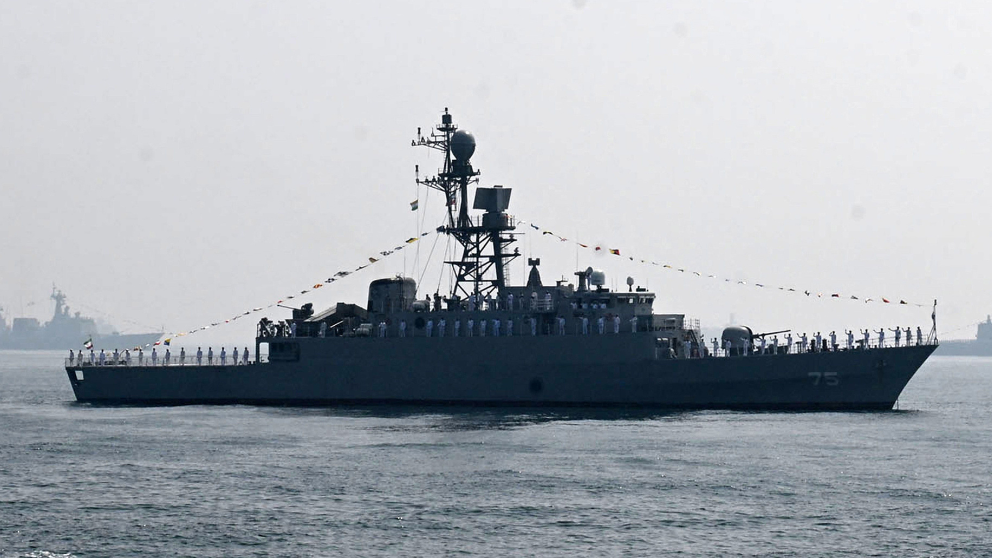
HMS Dragon: A formidable Type-45 destroyer has been deployed to the eastern Mediterranean. The Ministry of Defence describes HMS Dragon as "one of the most capable air defence warships in the world," boasting the ability to launch eight missiles in under ten seconds.
Wildcat Helicopters: Britain is also deploying two Royal Navy Wildcat helicopters equipped with advanced counter-drone technology and armed with Martlet missiles.
However, this deployment highlights a vulnerability within the British armed forces. Currently, the UK has no other major warship stationed in the Mediterranean. Of the Royal Navy's fleet of six Type-45 destroyers, only three are currently available for deployment, while the others undergo routine maintenance.
Beyond Iran: The Diego Garcia Dispute Broadens the Rift
The friction between Trump and Starmer is not limited to Middle Eastern policy. President Trump has broadened his attacks to include other major foreign policy decisions made by the current UK government.
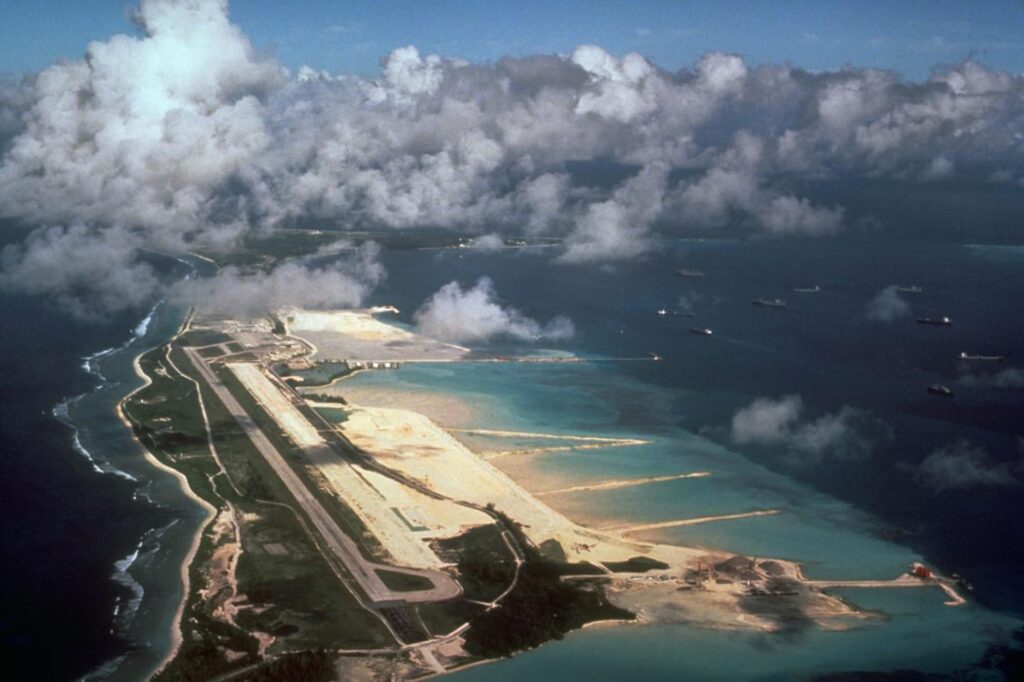
A major point of contention is Britain's recent, highly controversial decision to cede sovereignty of the Chagos Archipelago. This remote chain of islands in the Indian Ocean is home to the joint US-UK military base at Diego Garcia, a facility of immense strategic importance to the Pentagon.
Trump explicitly voiced his displeasure regarding this move, stating, "I'm not happy with the UK either" in relation to the broader geopolitical landscape. He went even further, lumping the UK together with Spain, claiming that both nations had been very uncooperative on broader strategic matters.
A Temporary Truce? The Future of the Alliance
While the rhetoric has been fiery and the historical comparisons sharp, the reality of geopolitical alliances often forces compromise. Following the initial standoff, Britain did eventually soften its stance.
As Iran escalated the conflict by launching drones and missiles at US allies across the region, London eventually allowed the United States to use certain UK facilities for limited, strictly defensive operations. This concession prevented a total breakdown of military cooperation, but the damage to the diplomatic relationship had already been done.
The Middle East crisis has placed an unusual and highly visible strain on one of the West's closest alliances. The clash between Donald Trump’s demand for unquestioning, immediate allied support and Keir Starmer’s insistence on calculated, methodical planning represents a deeper ideological divide. Whether the Special Relationship can quickly recover from these high-profile Churchillian insults and strategic disagreements remains to be seen.
Frequently Asked Questions (FAQs)
Why did Donald Trump compare Keir Starmer to Winston Churchill? President Trump used the comparison as an insult. By stating that Starmer is not Winston Churchill, Trump was criticizing the UK Prime Minister's perceived lack of bold, decisive leadership and his reluctance to immediately back US-led military strikes on Iran.
Why did the UK initially refuse to join the US strikes on Iran? Prime Minister Keir Starmer argued that any military action must have a viable, thought-through plan. Citing the lessons learned from the 2003 Iraq War, Starmer stated he does not believe in regime change from the skies and wanted to avoid escalating the conflict without a clear long-term strategy.
Why is the UK sending HMS Dragon to Cyprus? The UK deployed HMS Dragon, a heavily armed Type-45 destroyer, to the Eastern Mediterranean to protect its strategic base at RAF Akrotiri in Cyprus. This decision was made after the base's runway was hit by drone strikes, necessitating a stronger air-defense presence in the region.
What is the dispute over Diego Garcia? Diego Garcia is a vital joint US-UK military base located in the Chagos Archipelago. Tensions rose when the UK decided to cede sovereignty of the islands. President Trump criticized the UK for this decision, calling them uncooperative on broader strategic security matters.
Udaipur Freelancer delivers high-quality web, marketing, and design solutions. We focus on building impactful digital experiences that help your brand succeed in today's market.














Recommended for you
Must-See Art Exhibitions Around the World This Year
The Revival of Classical Art in a Digital Age
Breaking Down the Elements of a Masterpiece Painting
The Revival of Classical Art in a Digital Age