We are going to talk about something that sounds like it was pulled straight out of a Hollywood spy movie. We are diving into global politics, but don’t worry We promise to keep it super simple, easy to understand, and actually fun to read.
Have you ever found yourself stuck between two friends who just can’t seem to get along? No matter what you do, they are always arguing, and you are just standing there trying to keep the peace. Now, imagine that exact scenario, but on a massive global scale, with giant armies, huge economies, and the whole world watching.
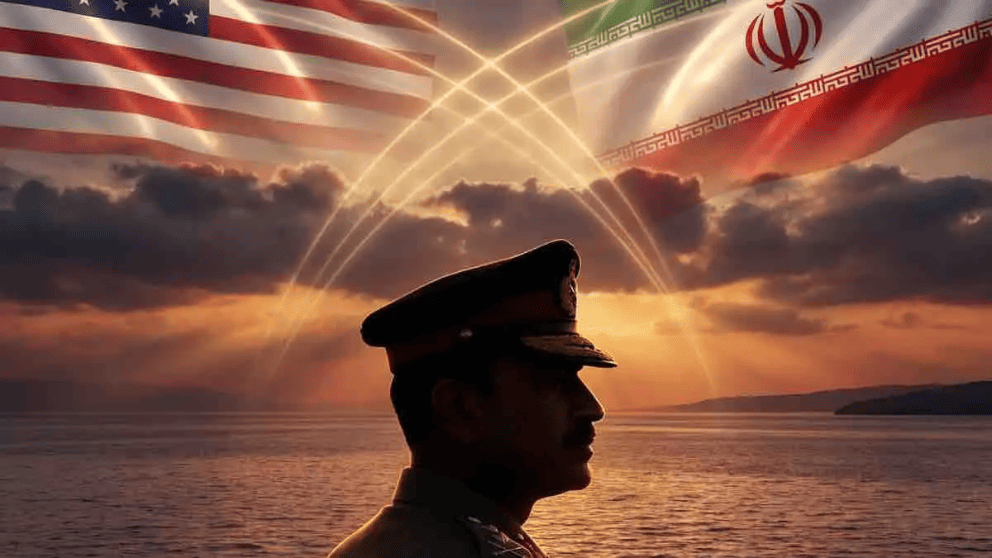
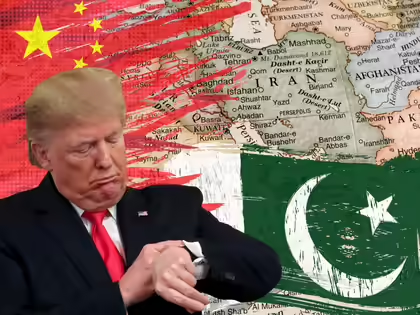
That is exactly what has been happening between the United States and Iran. For years, the tension between these two nations has been sky-high. But recently, a ceasefire has brought a much-needed sigh of relief to the world. And the surprising hero of this story who helped calm things down? Pakistan.
Let's break down exactly how Pakistan played a massive role in cooling down one of the world's biggest rivalries.
Why Pakistan?
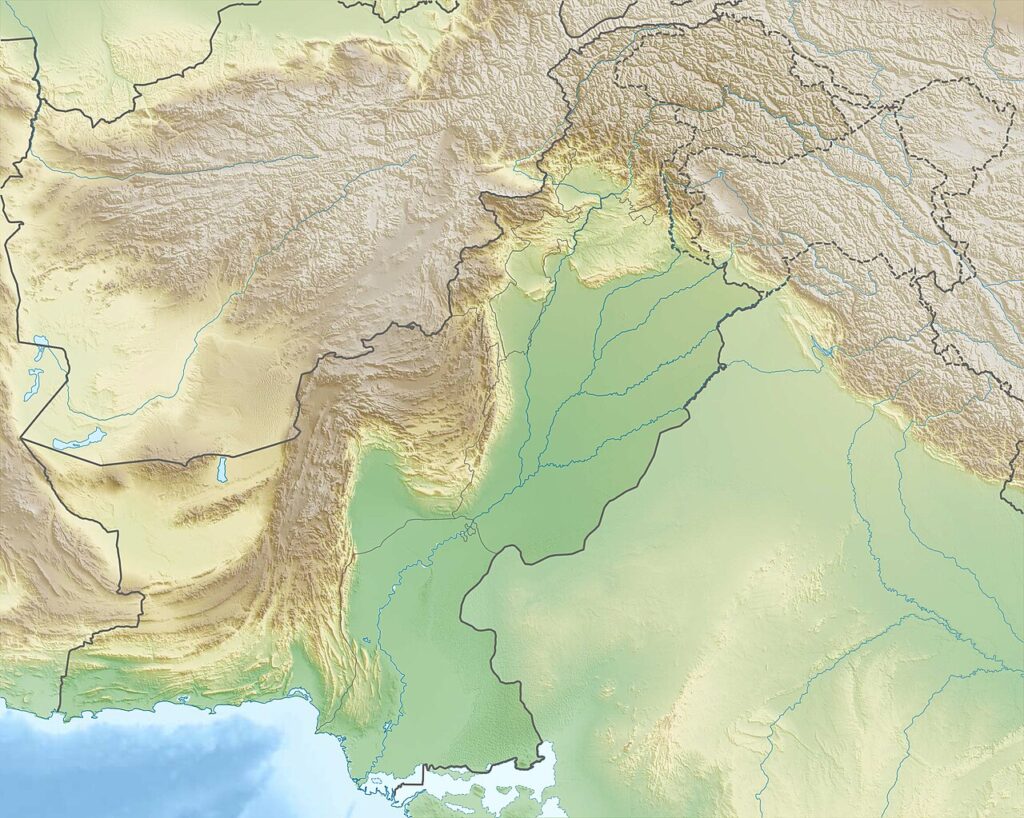
In the real estate world, they say the three most important things are location, location, location. Well, the same rule applies to global politics! Pakistan’s geography makes it the absolute perfect middleman.
On one side, Pakistan shares a massive border with Iran. They are literally next-door neighbors, sharing over 900 kilometers of land. They share history, culture, and trade routes.
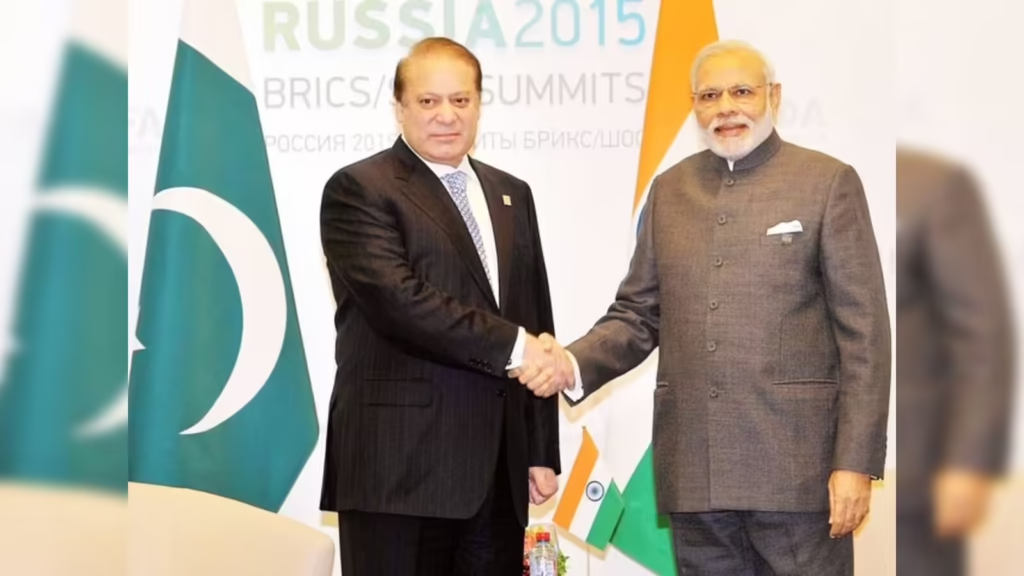
On the flip side, Pakistan has had a very long relationship with the United States. For decades, the US and Pakistan have worked together on various global issues. So, Pakistan essentially has a foot in both camps. When the US and Iran are too angry to talk face-to-face, Pakistan is right there in the middle, ready to pass the message along.
Walking the Ultimate Tightrope
Let’s be honest, being friends with everyone is not an easy job. In fact, it is incredibly stressful. Pakistan has to walk a very thin tightrope to keep everyone happy without taking sides.
Think about it like this, If Pakistan sides too much with the United States, they risk making their next-door neighbor, Iran, very angry. You never want to be on bad terms with the person who lives right next door! But, if they side completely with Iran, they risk losing the support, trade, and friendship of a global superpower like the US.
So, what is the best move? Complete neutrality. Pakistan played the role of the unbiased peacemaker. They didn't pick favorites. Instead, they focused purely on getting both sides to stop fighting and start talking. This kind of balancing act takes a lot of skill and patience.
The Art of Back-Channel Diplomacy
When two big countries are fighting, they rarely just pick up the phone, call each other, and say, "Hey, let's stop this." There is too much pride involved. Instead, they use something called 'back-channel diplomacy.'
If you remember being in school and secretly passing notes to a friend through a third person, you already understand back-channel diplomacy! Pakistan was the kid in the middle passing the notes.
There’s more to life than simply increasing its speed.
By Udaipur Freelancer
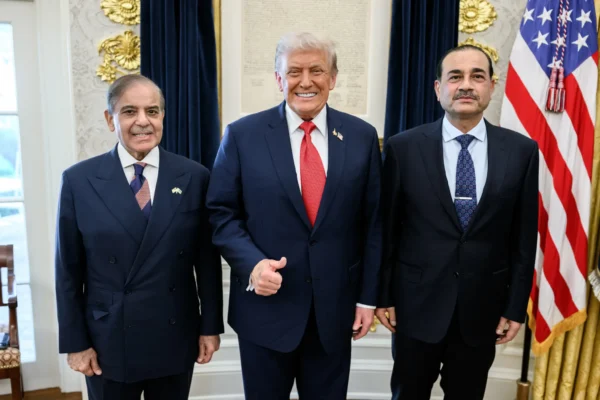
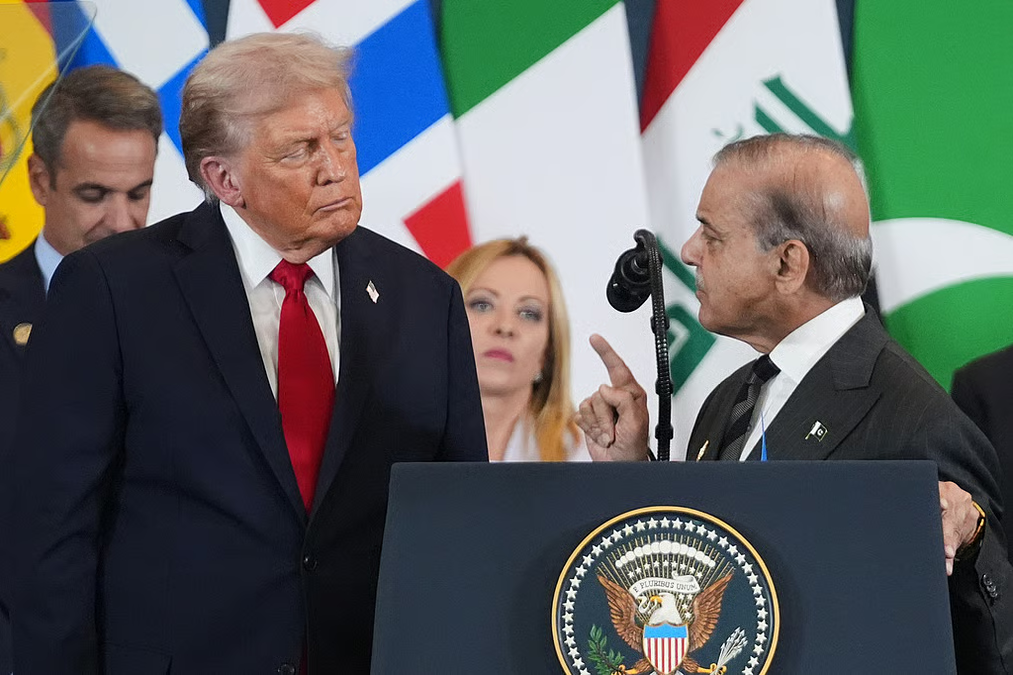
Diplomats and leaders from Pakistan held quiet, behind-the-scenes meetings. They would listen to what the US wanted, fly over or pick up the phone to talk to Iran, and gently pass the message along. Because both the US and Iran trust Pakistan enough to at least listen, Pakistan was able to clear up misunderstandings before they turned into a full-blown war.
What Is in It for Pakistan?
Now, you might be wondering, "Why would Pakistan go through all this trouble?" It is not just out of the goodness of their hearts. There are some very practical, real-world reasons why Pakistan desperately wants peace between the US and Iran.
1. Neighborhood Safety:
First and foremost, peace means safety. If a war were to break out right next door in Iran, the chaos would easily spill over the border. Pakistan would have to deal with refugees, security threats, and a lot of instability. Keeping the neighborhood quiet is a top priority.
2. The Money and Energy Factor:
Pakistan has a growing population and a massive need for energy and cheap gas. For a long time, there has been a plan to build a huge gas pipeline from Iran to Pakistan. However, because the US put strict rules (sanctions) against doing business with Iran, the project has been stuck. If the US and Iran can make peace, Pakistan might finally get the green light to finish the pipeline, which would be a huge boost for its economy.
3. Better Trade Routes:
When a region is peaceful, trade flows smoothly. Businesses grow, jobs are created, and everyday people have an easier time making a living. A ceasefire brings economic hope not just to Iran, but to Pakistan and the surrounding countries too.
Why This Matters to You
You might be reading this from thousands of miles away, wondering how this affects you. The truth is, when the US and Iran stop pointing weapons at each other, the entire world wins.
When there is a threat of war in the Middle East, the price of oil shoots up. That means you pay more for gas at the pump, and groceries become more expensive because shipping costs more. By helping to secure a ceasefire, Pakistan didn't just help the US and Iran they helped stabilize the global economy.
Final Thoughts
At the end of the day, world peace is a team effort. We often think that only the biggest, richest countries have the power to change the course of history. But the US-Iran ceasefire proves that sometimes, the most important player in the room is the one who knows how to listen, how to stay calm, and how to bring people together.
Pakistan stepped up to the plate, used its unique location and relationships, and proved that smart, quiet diplomacy really works. They successfully cooled down a boiling pot, and the whole world can breathe a little easier because of it.
What do you guys think about Pakistan's role as a global middleman? Let me know your thoughts in the comments below! Don't forget to share this post if you found it helpful and easy to understand.
Udaipur Freelancer delivers high-quality web, marketing, and design solutions. We focus on building impactful digital experiences that help your brand succeed in today's market.














Recommended for you
Must-See Art Exhibitions Around the World This Year
The Revival of Classical Art in a Digital Age
Breaking Down the Elements of a Masterpiece Painting
The Revival of Classical Art in a Digital Age