If you have been following the news lately, you know that things have been incredibly tense and heartbreaking. But right in the middle of all the chaos, we are suddenly seeing a massive twist.
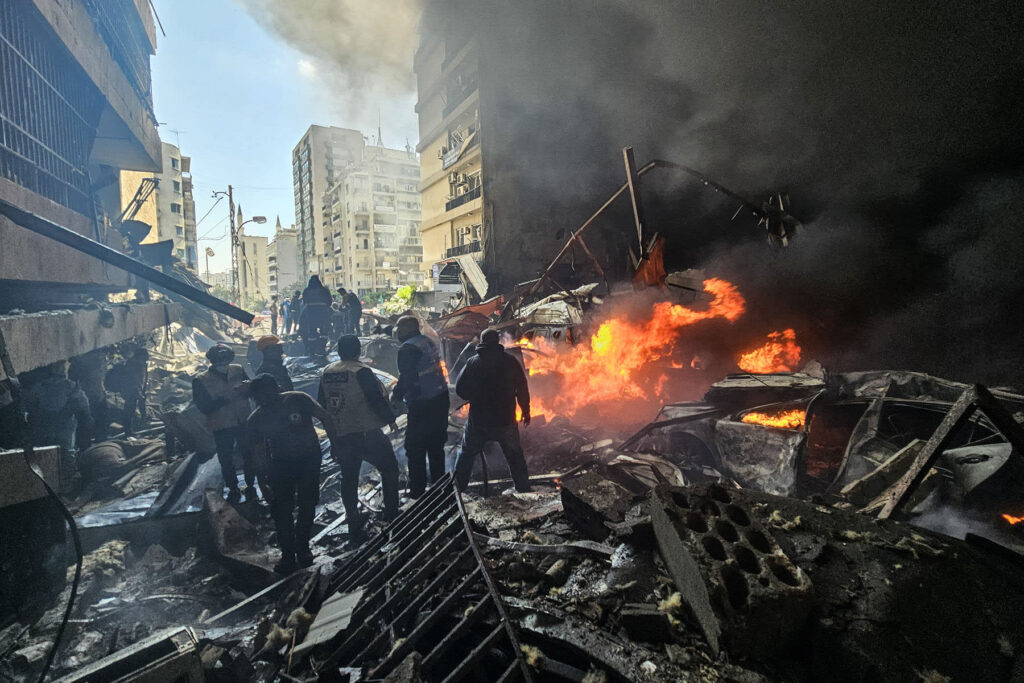
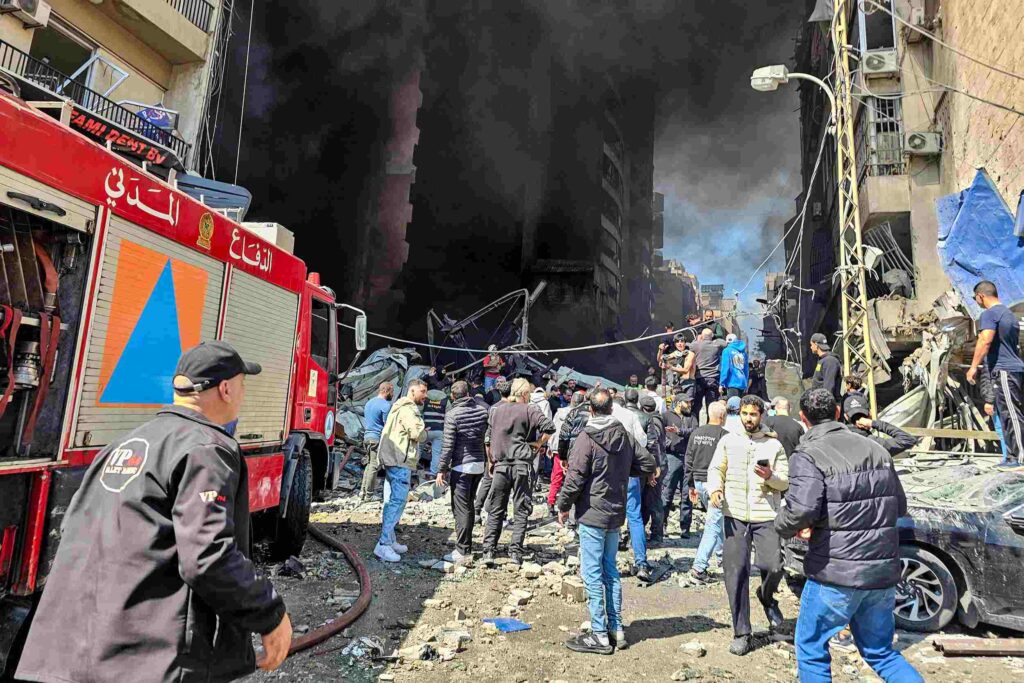
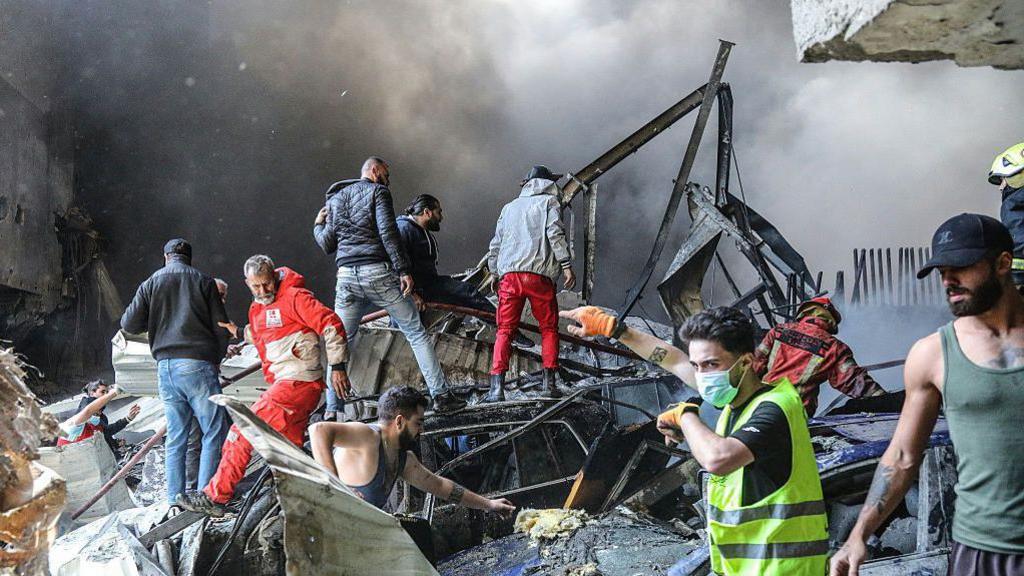
Just a day after some incredibly heavy and deadly bombardments across Beirut, the Bekaa Valley, and the southern parts of Lebanon which tragically took the lives of over 303 people Israel has signaled that they might be ready to sit down at the diplomatic table.
Yes, you read that right. Let's break down exactly what is happening, what both sides are saying, and what this means for the rest of the world. We promise to keep it simple, straightforward, and easy to understand.
A Surprise Announcement from Netanyahu
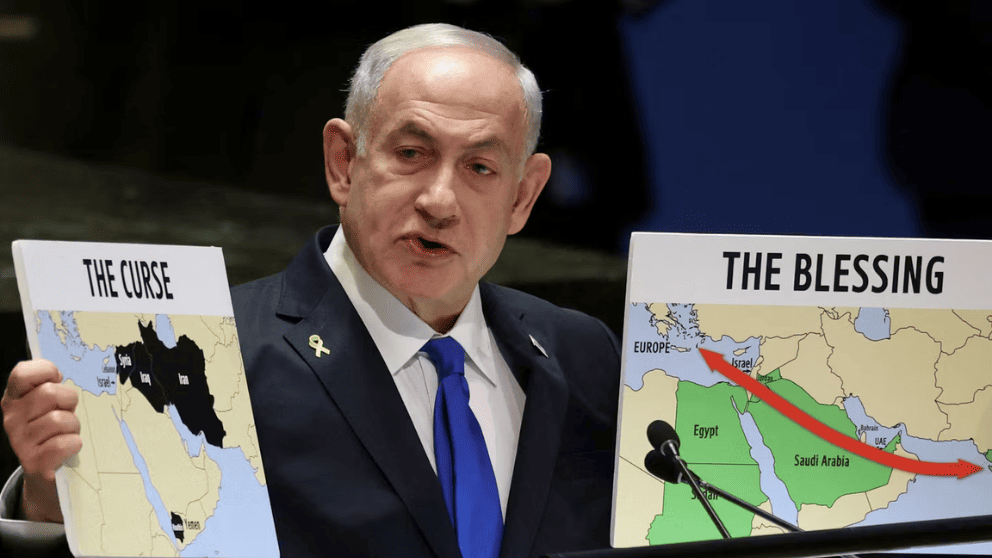
In a move that caught a lot of people off guard, Israeli Prime Minister Benjamin Netanyahu came forward and stated that he is ready for peace talks. He actually directed his government to start getting ready for negotiations with Lebanon.
According to Netanyahu, this isn't just coming out of nowhere. He framed this big decision as a direct response to Lebanon reaching out to them multiple times.
"In light of Lebanon’s repeated requests to open direct negotiations with Israel, I instructed the cabinet yesterday to start direct negotiations with Lebanon as soon as possible," Netanyahu explained.
But he also made it very clear that these talks won't just be a casual chat. He laid out exactly what Israel wants to focus on. Their main goals for these meetings are disarming Hezbollah and finally establishing peaceful, normal relations between Israel and Lebanon.
The Global Oil Problem
Before we get into Lebanon's reaction, we have to zoom out for a second and look at the bigger picture, because this conflict is affecting the whole world and probably your wallet, too.
Right now, Iran is maintaining a near-total blockade of the Strait of Hormuz. If you aren't familiar with it, the Strait of Hormuz is a massive global choke point for energy. Because it is blocked off, we are currently seeing one of the absolute worst disruptions to global energy supplies in modern history.
Are there any signs that Iran is going to ease up on this blockade? Unfortunately, no. And Israel’s continued strikes on Lebanon have emerged as a major roadblock to fixing this global energy crisis. Until the fighting stops, the oil situation remains totally stuck.
Lebanon's Rule, Ceasefire First!
So, how does Lebanon feel about Israel's offer to talk? Well, they are interested, but they have some strict ground rules.
A senior Lebanese official spoke to the news agency Reuters and made it clear that Beirut wants a temporary ceasefire first. They need the shooting to stop so they can actually have a safe space to talk with Israel.
The official shared some super interesting details about how they want these talks to happen. They want the negotiations to follow a separate track, but same model as the recent truce between Iran and the US, which was actually brokered by Pakistan. Furthermore, Lebanon isn't willing to do this without a safety net. They are demanding that the United States steps in to act as a guarantor for any agreement they make with Israel.
As of right now, there is no official date or location set for these truce talks, which tells us that things are still in the very early stages. However, the news outlet Axios reported that the very first meeting between Israel and Lebanon is expected to take place at the State Department in Washington, D.C.
Hezbollah Says No Way to Direct Talks
While the Lebanese government might be trying to set up meetings, Hezbollah is absolutely not on board with how things are playing out.
Responding to Israel’s push to talk face-to-face, Hezbollah lawmaker Ali Fayyad spoke up and completely rejected the idea of direct negotiations with Israel. He firmly insisted that the Lebanese government needs to demand a full ceasefire before they even think about taking another step.
Fayyad didn't stop there. He added that Beirut needs to make two other things a major priority, getting all Israeli troops to withdraw from Lebanese territory, and making sure that all the displaced residents can safely go back to their homes.
There’s more to life than simply increasing its speed.
By Udaipur Freelancer
And the reality on the ground shows that the fighting is far from over. Hezbollah is still firing rockets right over the border into the city of Nahariya. According to the Israel Defense Forces (IDF), these recent rockets fired from Lebanon ended up striking open areas.
Lebanon’s President Steps In
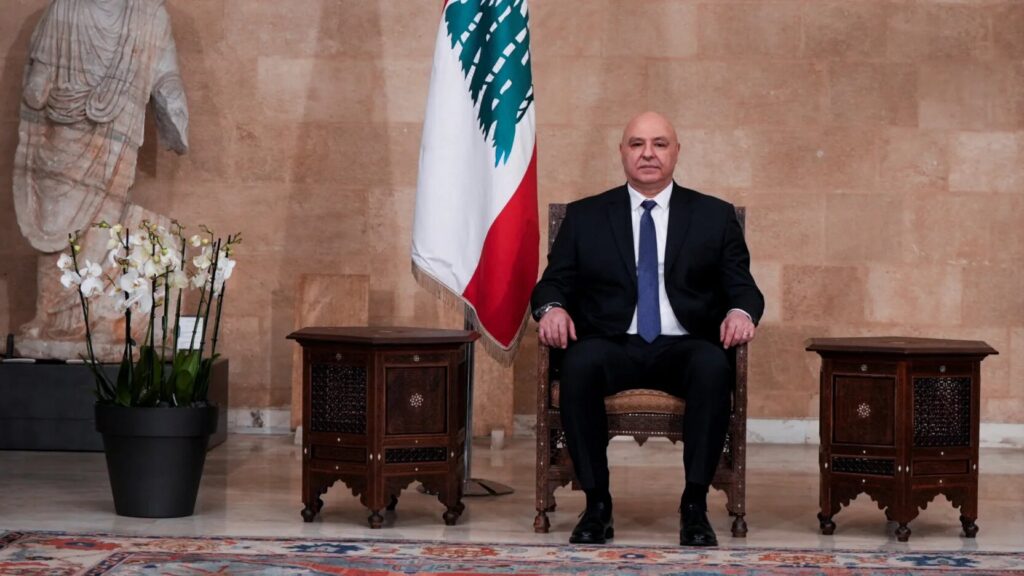
Just before Netanyahu made his big announcement, Lebanon’s President Joseph Aoun spoke to the public and made his stance crystal clear. Much like others in Lebanon, he believes that absolutely nothing can move forward until the violence stops.
For President Aoun, a ceasefire isn't just a request, it is the basic starting point for any serious conversation. "The only solution to the situation in Lebanon is to achieve a ceasefire between Israel and Lebanon, followed by direct negotiations between them," Aoun stated.
He also gave a little bit of hope, mentioning that efforts are currently happening behind the scenes on a diplomatic level. He noted that the idea of a ceasefire is already starting to get a positive response from international players who want to see the region stabilize.
A Stern Warning from Iran
Just to add another layer of tension to the mix, Iran has issued a very sharp warning. They stated that if a ceasefire is eventually agreed upon, anyone who breaks it will be in deep trouble.
Iran warned that any ceasefire violations especially inside Lebanon or against what they call the 'Axis of Resistance' will invite explicit costs and strong responses. Basically, they are promising heavy retaliation if the rules of a future truce are broken.
The Heartbreaking Toll of the Conflict
This sudden shift toward diplomacy is happening during one of the most intense and violent phases of fighting we have seen in months. Keep in mind, Israel launched this renewed offensive against Hezbollah after the Iran-backed militia started firing rockets at Israel back on March 2.
Since then, the numbers are just devastating. According to sources in Lebanon, Israeli strikes have tragically killed around 1,700 people. On top of that, the violence has forced more than a million people to pack up whatever they can carry and flee their homes.
When it comes to the fighters, the numbers get a bit messy depending on who is doing the talking. Local media reports that at least 400 Hezbollah fighters have been killed while launching hundreds of rockets and drones toward Israel over the last few weeks.
However, Israeli Defence Minister Israel Katz paints a different picture. He claims that Hezbollah is practically begging for a ceasefire because they are taking massive losses. Katz stated that Israeli military operations killed more than 200 militants in just one single day, which would push the total number of fallen fighters to over 1,400. It is important to note, though, that these high claims from Israel cannot be independently verified right now.
What Happens Next?
So, there you have it. We have a tragic loss of life, a blocked global oil route, and deep disagreements about who should stop shooting first. But we also have the first real crack of the door opening for peace talks.
Will Washington be able to host these historic meetings? Will Hezbollah agree to pause the rocket fire? We will have to wait and see.
We’ll keep watching this story closely and will update you guys as soon as we know more. Let me know what you think about all of this in the comments below. Do you think a ceasefire is coming soon? Let's chat!
Udaipur Freelancer delivers high-quality web, marketing, and design solutions. We focus on building impactful digital experiences that help your brand succeed in today's market.














Recommended for you
Must-See Art Exhibitions Around the World This Year
The Revival of Classical Art in a Digital Age
Breaking Down the Elements of a Masterpiece Painting
The Revival of Classical Art in a Digital Age