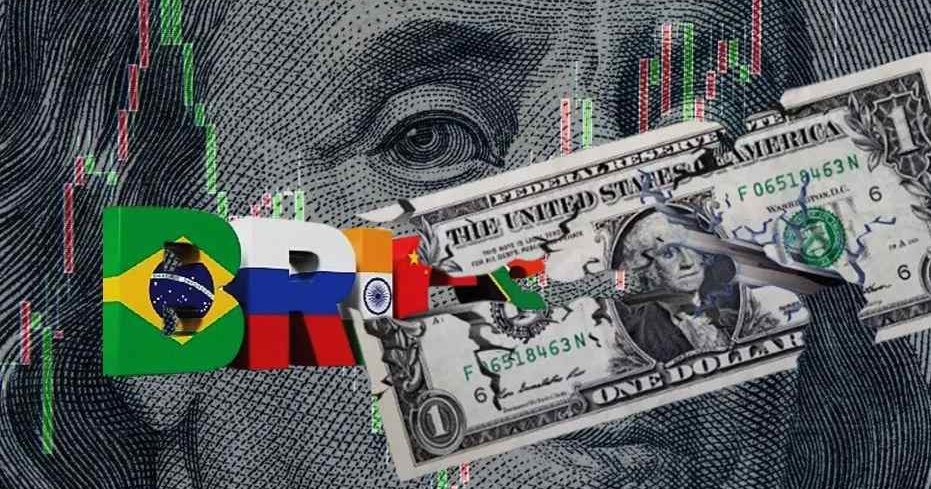
For months, the financial world and social media have been buzzing with one massive rumor: The BRICS Currency.
You’ve probably seen the headlines or the tweets. People were saying that the BRICS nations (Brazil, Russia, India, China, and South Africa) were about to launch their own money to replace the US Dollar. Some called it the Dollar Killer. Others thought it would change the global economy overnight.
Well, we finally have an answer. And it comes straight from the top.
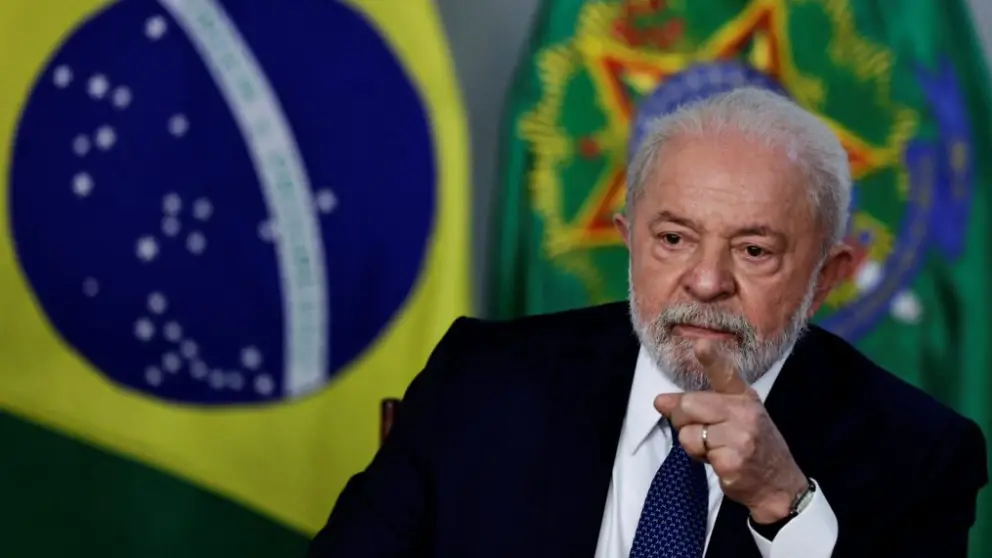
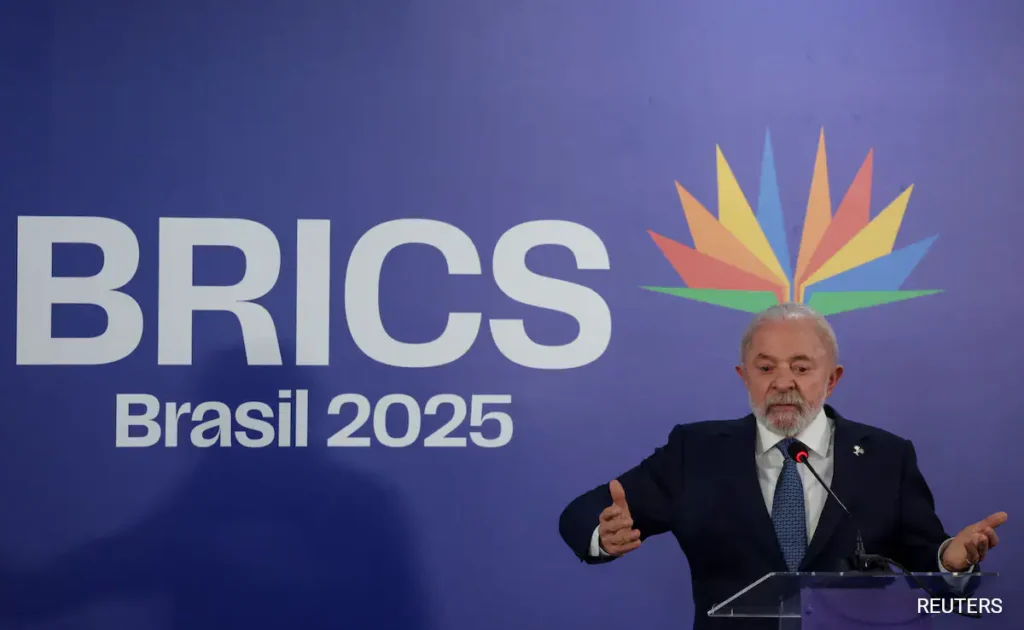
In a recent exclusive interview with India Today, Brazil’s President, Luiz Inácio Lula da Silva (often just called Lula), cleared the air. He put a stop to the rumors and laid out the real plan for the future.
If you are wondering what this means for the global economy, your investments, or just the relationship between countries like India and Brazil, you are in the right place. Let’s break down exactly what President Lula said, why it matters, and what is actually going to happen.
1. The Big Clarification: It’s Misunderstood
Let’s start with the biggest takeaway from the interview.
There is no BRICS currency in the works.
President Lula was very direct. He pushed back against all the global speculation that has been building up for months. When asked about it, he made it clear that the idea of a single BRICS Coin or a shared currency (like the Euro in Europe) is neither on the table nor under discussion.
Here is what he said:
"There is no proposal to create the BRICS currency. There is no debate within BRICS about whether to create a new currency."
He went on to say that the international chatter and the hype on the internet were simply misunderstood.
Why is this important?
Because the markets hate uncertainty. When people think a new currency is coming, they start behaving differently with their money. By saying this, Lula is calming everyone down. He is telling the world, "Relax, we aren't trying to print new money to fight the dollar tomorrow."
He emphasized that creating a unified currency for countries as different as India, China, and Brazil is incredibly complex. It’s not something you can just decide in a meeting.
2. The Real Plan: Local Currency Trade
So, if they aren't making a new currency, does that mean everything stays the same? No.
Lula rejected the idea of a single currency, but he strongly supported a different idea, Using Local Currencies.
This is the core of the strategy. Instead of creating a BRICS Dollar, he wants countries to trade using the money they already have.
How does it work now?
Right now, if Brazil wants to sell something to India, the trade usually happens like this:
- Brazil converts its currency (Real) into US Dollars.
- Brazil sells the goods.
- India pays in US Dollars.
- Brazil converts those Dollars back into Reals.
The US Dollar is the middleman in almost every transaction.
How does Lula want it to work?
Lula is asking a simple question: Why?
Why do we need the US Dollar in the middle?
He wants a system where:
- Brazil sells goods to India.
- India pays directly in Rupees.
- Or Brazil pays India directly in Reals.
In the interview, he said:
"It is not necessary that a trade agreement between India and Brazil has to be done with US dollars. We can use our own currencies. It is difficult, but we can try."
This approach is much more practical than creating a whole new money system from scratch. It empowers the local economies of the member nations without the headache of managing a shared central bank.
3. The India-Brazil Connection
One of the most interesting parts of the interview was how much President Lula focused on India.
He didn't just talk about BRICS in general. he specifically mentioned the relationship between India and Brazil. He believes these two nations have a massive economic future together, and they shouldn't let the US Dollar dictate how they do business.
He suggested that India and Brazil should start exploring whether the rupee and the real can directly settle trade.
Why focus on India?
- Growth: India is one of the fastest-growing economies in the world.
- Population: As Lula pointed out, India and China alone carry half the world's population.
- Influence: India is becoming a major voice for the Global South (more on that later).
Lula sees India not just as a trading partner, but as a key ally in changing how the global financial system works.
4. Why the Dollar Debate Matters
You might be asking, "Why does the US Dollar dominate everything anyway?"
President Lula acknowledged this reality. He knows that the US Dollar is the world's strongest currency. He also knows that the United States isn't going to just sit back and let people stop using the dollar without complaining.
There’s more to life than simply increasing its speed.
By Udaipur Freelancer
He noted:
"The dollar is the world’s strongest currency, and the Americans don’t want other currencies to rise. We have to take that into account."
It’s Not Anti-Dollar, It’s Pro-Options
This is a very subtle but important point. Lula isn't declaring war on the US Dollar. He isn't saying, "We hate the dollar."
He is saying that countries should have options.
Imagine you go to a store and you are only allowed to pay with a specific type of credit card. Even if you have cash, or a different card, the store says No. That would be annoying, right?
That is how many countries feel about the global trade system. They want the freedom to pay however they want.
Lula insisted that discussions about local currencies are not anti-dollar. They are about giving countries more choices in bilateral (two-way) commerce.
However, he was realistic. He cautioned that the global financial system cannot shift overnight.
"No one has to rely on the dollar, but you cannot undo this system overnight," Lula said.
5. BRICS: The Voice of the Global South
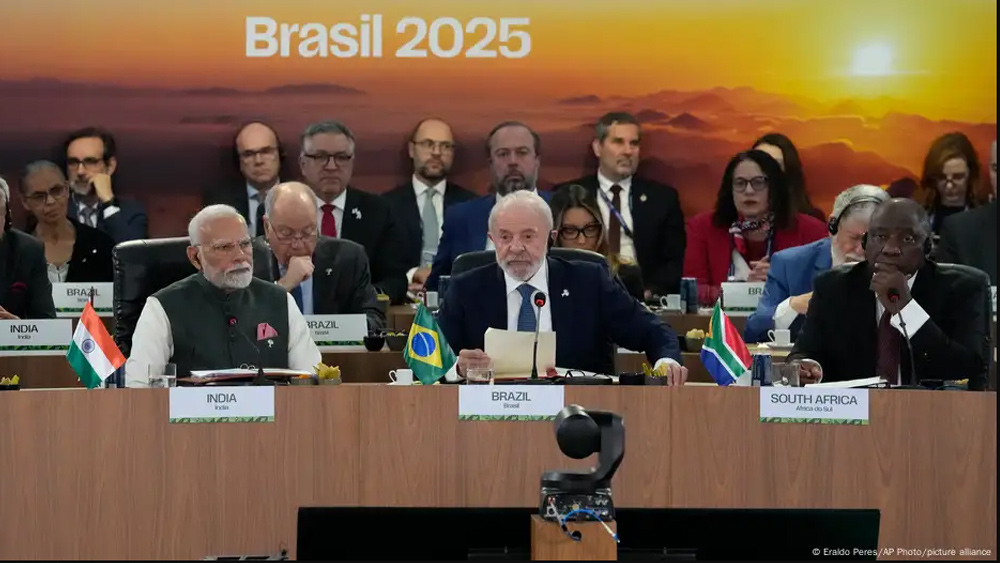
During the interview with India Today, Lula spoke passionately about what BRICS actually represents.
For a long time, the global decisions were made by the Global North (countries like the USA, UK, Germany, France, etc.). Lula believes the world has changed.
He described BRICS as one of the most important global groupings created in the last three decades. He said it represents the voice of the Global South.
What is the Global South?
It’s a term used to describe developing and emerging economies mostly in Asia, Africa, and South America. These countries have huge populations and growing economies, but they often feel ignored by the big Western powers.
Lula pointed out the demographics:
"India and China alone carry half the world's population. More than half of humanity is in BRICS."
His argument is simple: If we represent half of humanity, why don't we have a bigger say in how the world's money works?
He called himself a strong advocate of multilateralism. That’s a fancy word, but it just means: Decision-making should involve many countries, not just one or two superpowers.
6. No New Cold War
In today’s world, there is a lot of tension between the United States and China. People are worried about a New Cold War, where the world gets split into two teams, and you have to pick a side.
Lula wants no part of that.
He stressed that Brazil does not want a world divided between superpower tribes.
"We don't want a second war. We don't want a cold war between China and the US. Brazil wants to trade with all countries," he said.
This is a refreshing perspective. Instead of picking a fight, he wants to do business with everyone. He wants Brazil (and India) to be able to trade with the US and China and Europe without getting dragged into their political arguments.
This neutral stance is why BRICS is so attractive to many countries. It’s not a military alliance, it’s an economic club.
7. Summary: What Did We Learn?
This interview was a major reality check for everyone following global economics. Here is the cheat sheet of what you need to know:
- Myth Busted: There is NO plan for a single 'BRICS Currency' right now. The rumors were wrong.
- The Goal: The goal is to trade in Local Currencies (like Rupees and Reals) to make trade cheaper and easier.
- The Timeline: This won't happen overnight. The US Dollar is still very strong, and the systems take time to change.
- The Motivation: It’s about independence and options, not about destroying the US Dollar.
- The Players: India and Brazil are key players in this new movement to give the Global South a louder voice.
- The Vibe: Peace and trade. No Cold Wars.
The Bottom Line
President Lula’s interview with India Today calmed the waters. He showed that BRICS is serious about improving their economies, but they aren't trying to cause chaos.
They just want a fair deal. They want to be able to trade their apples for oranges without having to buy a ticket from the US first.
It’s a simple idea, but one that could change the future of the global economy slowly, steadily, and peacefully.










Recommended for you
Must-See Art Exhibitions Around the World This Year
The Revival of Classical Art in a Digital Age
Breaking Down the Elements of a Masterpiece Painting
The Revival of Classical Art in a Digital Age