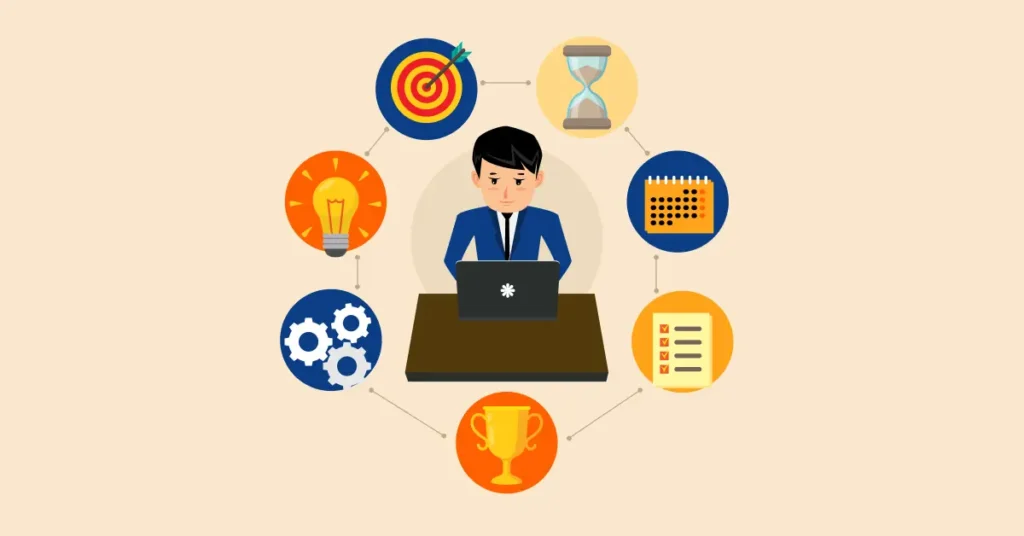
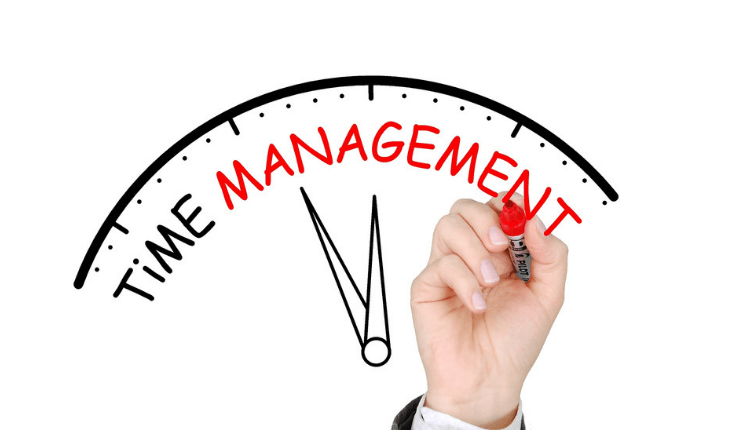
Most of us have been conditioned to live by the clock, meticulously slicing our days into fifteen-minute intervals and treating our to-do lists as the ultimate measure of worth. However, the fundamental flaw in traditional time management is that time is a finite, fixed resource that remains indifferent to your physical or mental state. You can clear an entire afternoon for a critical project, but if your brain is foggy and your body is exhausted, that block of time becomes a void of frustration rather than a window of opportunity. True productivity is not about how many minutes you can squeeze out of a day, but about the quality of the vitality and focus you bring to the minutes you actually have. When you stop obsessing over the ticking clock and start paying attention to your internal fuel gauge, you move away from busywork and toward meaningful impact.
Energy is a renewable resource that fluctuates in predictable cycles, yet we often treat ourselves like machines that should function at peak capacity from sunrise to sunset. By shifting your focus to energy management, you begin to work with your biology rather than against it. This means identifying your peak performance windows those times of day when your mental clarity is at its highest and guarding them fiercely for your most cognitively demanding tasks. Conversely, it involves acknowledging your natural energy dips and using those periods for low-stakes administrative work or restorative rest. When you align your hardest tasks with your highest energy, you complete work faster and with significantly less friction, effectively buying back the time you used to spend staring blankly at a screen.
Ultimately, managing your energy is an act of sustainable high performance that prevents the inevitable crash of burnout. It requires a holistic approach that values physical movement, emotional regulation, and mental recovery as essential components of a successful workday. Instead of pushing through the fatigue to finish one last task, an energy-managed approach encourages you to step away, recharge, and return with a sharpened mind. This transition transforms your life from a frantic race against the clock into a series of rhythmic sprints followed by necessary recovery. By prioritizing your well-being as the engine of your output, you not only become more productive but also more present, ensuring that you have enough left in the tank for the people and passions that matter most when the workday finally ends.
There’s more to life than simply increasing its speed.
By Udaipur Freelancer














Recommended for you
Must-See Art Exhibitions Around the World This Year
The Revival of Classical Art in a Digital Age
Breaking Down the Elements of a Masterpiece Painting
The Revival of Classical Art in a Digital Age