History is often a complex puzzle, and sometimes, it takes decades to find the missing pieces. When it comes to the relationship between India and China, the history is deep, complicated, and filled with what-ifs.
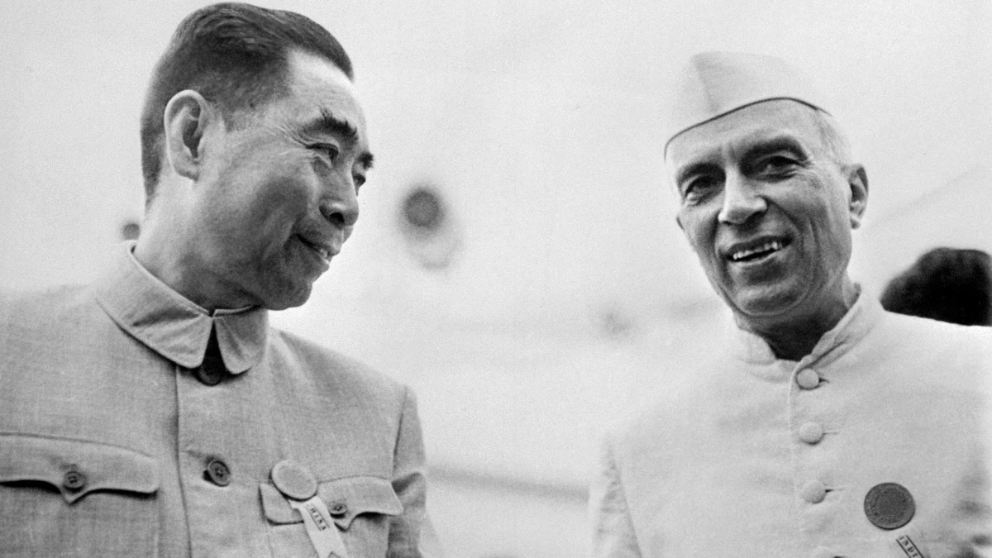
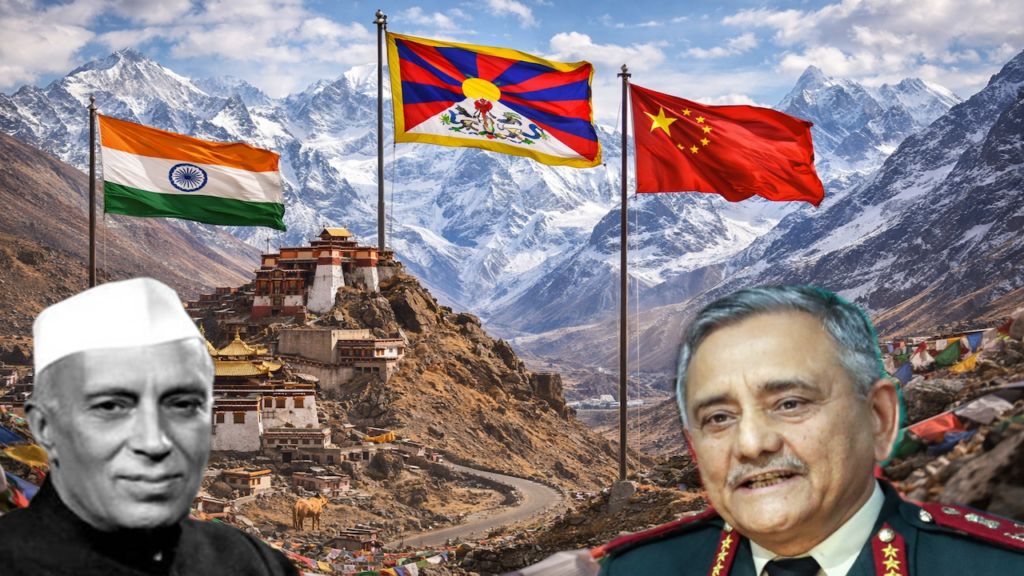
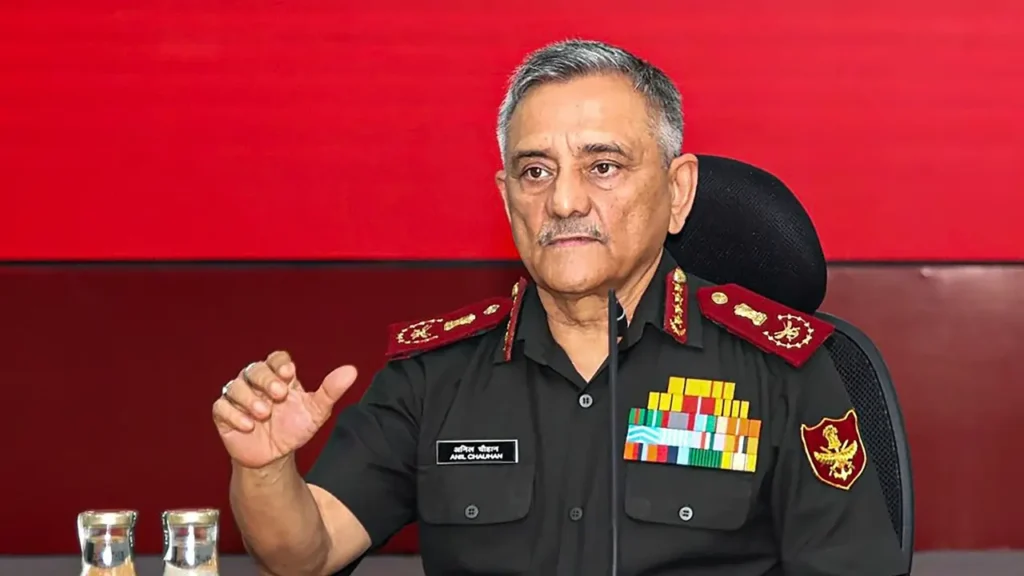
Recently, Chief of Defence Staff (CDS) General Anil Chauhan made some very interesting observations about this relationship. Speaking at an event in Dehradun, he shed light on a crucial moment in India’s history the signing of the Panchsheel Agreement in 1954. According to General Chauhan, this specific agreement might have been the moment where former Prime Minister Jawaharlal Nehru misjudged China's intentions regarding the border.
Let’s break down what the CDS said, why the history of our borders is so tricky, and what actually happened back in the 1950s.
The Challenge of Undefined Borders
To understand the 1950s, we first have to look at what happened when the British left India in 1947. When India gained independence, the British left behind a lot of things, but one thing they didn't leave behind was a clearly marked map of the northern frontiers.
General Chauhan explained that the Nehru government had a massive and difficult task ahead of them, defining exactly where India ended and where the neighbors began.
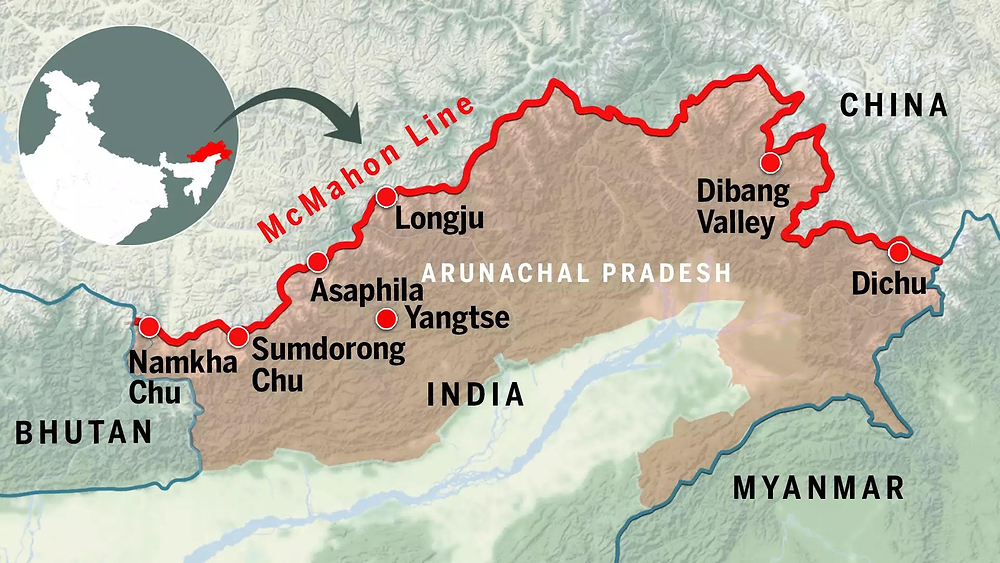
Nehru was aware of the McMahon Line in the eastern sector (which we will talk about in a minute) and he knew about India's claims in Ladakh. However, there was still a lot of uncertainty. The lines on the map weren't always clear on the ground. It was in this atmosphere of uncertainty that Nehru decided to pursue the Panchsheel Agreement.
What Was the Panchsheel Agreement?
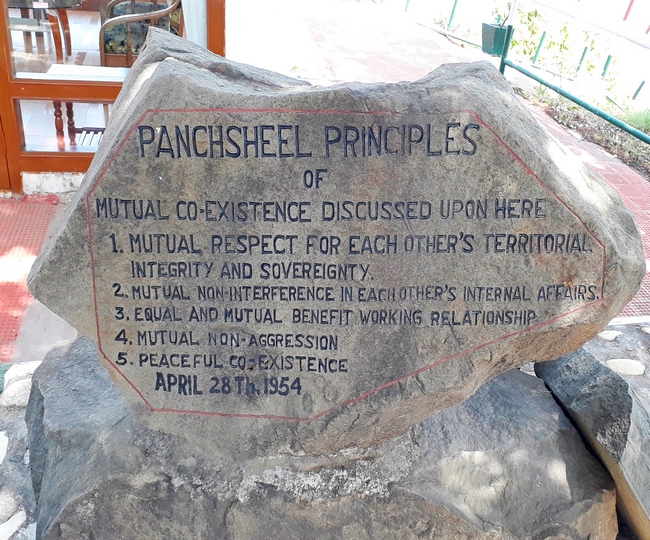
In simple terms, the Panchsheel Agreement was a pact signed in 1954 between India and China. It was based on 'Five Principles of Peaceful Coexistence.'
At that time, the world was a volatile place. India wanted to build a good relationship with its neighbor. As part of this agreement, India formally recognized Tibet as a region of China.
Why did India do this? According to the CDS, Indian strategists believed that recognizing Tibet as a part of China would lead to a peaceful settlement of the border issues. They thought that if India was friendly and accepted China’s control over Tibet, China would respect India’s borders in return.
......
The Great Misjudgment: Peace Treaty or Just Trade?
This is where the major misunderstanding happened.
General Chauhan pointed out that in 1954, when the agreement was signed, the Indian government assumed that the northern border was now settled. The logic was simple. We have a treaty, we are friends, and we have agreed on the status of Tibet, so the border issue is resolved through this formal tie.
However, China looked at the same piece of paper and saw something completely different.
While Nehru viewed Panchsheel as a framework that secured the borders, the Chinese viewed it merely as a trade agreement.
General Chauhan highlighted this stark contrast. He noted that the Chinese stand was that the agreement was negotiated only to facilitate trade and conduct relations. In their eyes, it in no way reflected their official stand on where the border actually lay.
There’s more to life than simply increasing its speed.
By Udaipur Freelancer
So, you had one side thinking the fence was built and the issue was closed, while the other side thought they had just shaken hands on a business deal.
The Story of the McMahon Line
To understand why this matters, we have to talk about the McMahon Line. As mentioned in the news reports, the McMahon Line is the de facto boundary between India and China in the Northeast (specifically separating Arunachal Pradesh from Tibet).
This line was negotiated way back in 1914 during the Simla Convention. It was named after the British negotiator, Sir Henry McMahon.
Here is the problem, China has never officially recognized this line. They claim it was imposed by the British. Even though Nehru knew about this line, he hoped that the Panchsheel Agreement would smooth over these historical disagreements.
Why China Wanted Stability
General Chauhan also gave some insight into why China signed the deal in the first place if they didn't agree on the border.
In the 1950s, China had moved its military into Lhasa (Tibet) and Xinjiang. These were huge moves for them. According to the CDS, the situation was extreme for China at both ends of their territory. Because they were busy consolidating their power in these regions, they wanted stability with India.
They didn't want a fight with India while they were busy settling into Tibet. So, they signed the agreement to keep things calm. India mistook this desire for stability as a permanent acceptance of the border.
Learning from History
It is fascinating to look back at these moments. The CDS’s comments remind us that in international politics, what is written on paper can be interpreted in two completely different ways.
For Nehru, the pact was a shield that protected the northern borders. For China, it was a temporary pause to focus on their own internal growth.
The tension along the border that we see today often traces its roots back to these historical gaps in communication and understanding. While diplomatic ties have their ups and downs, understanding the history of why things happened the way they did helps us make sense of the present.
As General Chauhan suggested, the peaceful coexistence India hoped for was based on a premise that the other side never really agreed to. It serves as a powerful lesson that in geopolitics, assumptions can be very costly.
Udaipur Freelancer delivers high-quality web, marketing, and design solutions. We focus on building impactful digital experiences that help your brand succeed in today's market.














Recommended for you
Must-See Art Exhibitions Around the World This Year
The Revival of Classical Art in a Digital Age
Breaking Down the Elements of a Masterpiece Painting
The Revival of Classical Art in a Digital Age