In the world of modern warfare, few sights are as intimidating as an attack helicopter cresting a ridgeline. These flying tanks are designed for one purpose, to hunt and destroy. Armed with a devastating mix of auto-cannons, rocket pods, and precision-guided missiles, they provide ground forces with essential close-air support while turning enemy armored divisions into scrap metal.
But which of these titanium-clad predators is the most dangerous? Based on firepower, survivability, and combat-proven technology, here are the five most lethal attack helicopters in service today.
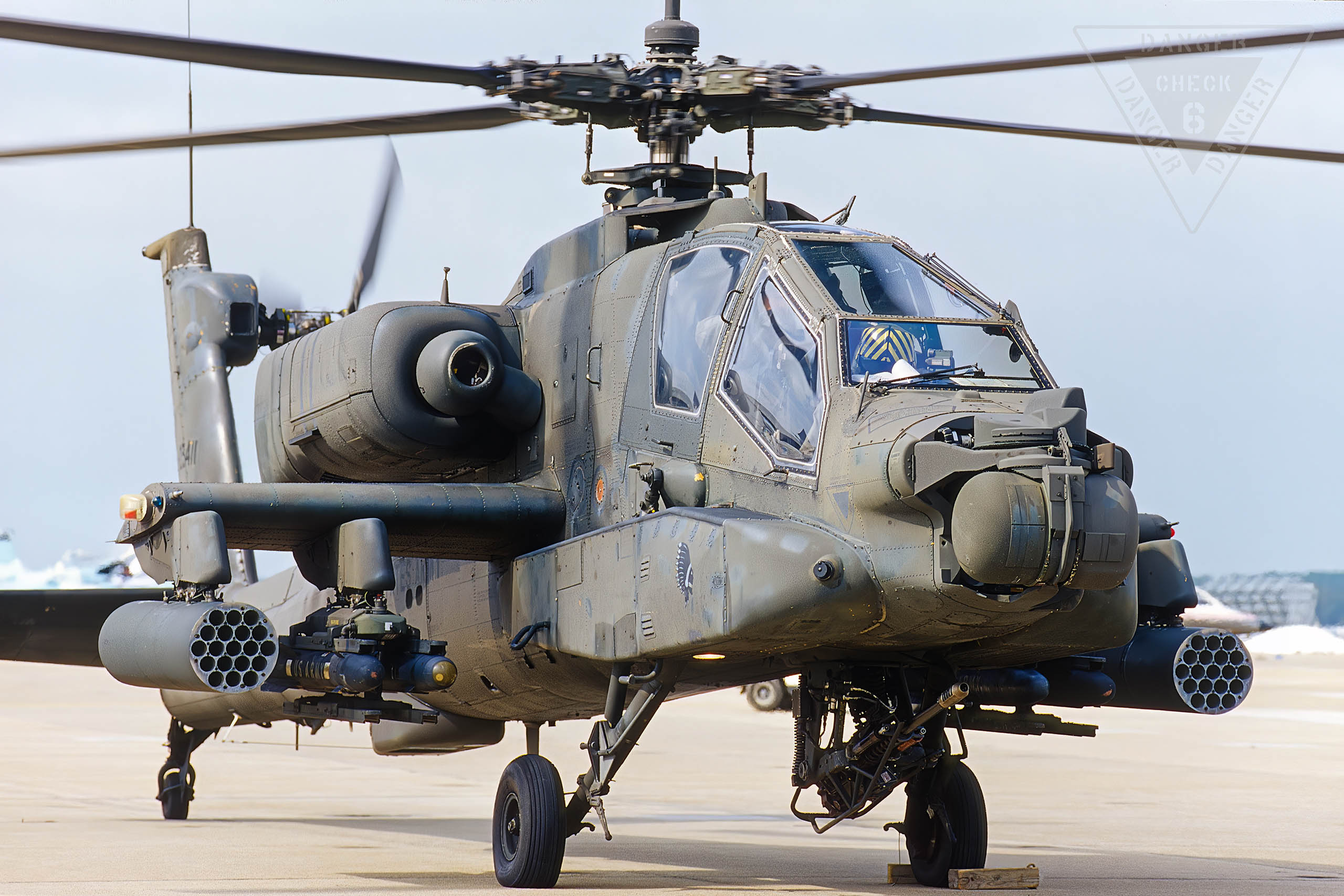
1. Boeing AH-64E Apache Guardian (USA)
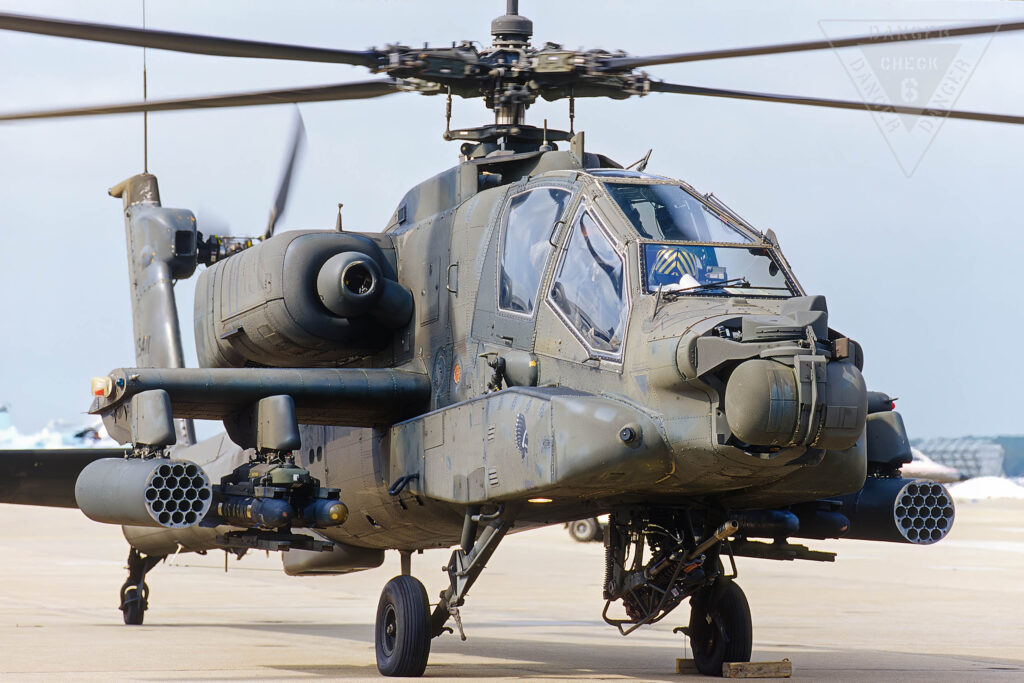
The AH-64 Apache is widely considered the gold standard of attack helicopters. While the original model entered service in the 1980s, the latest AH-64E Guardian variant is a digital beast that dominates the modern battlefield.
Why It’s Lethal:
The Apache’s primary eyes are the AN/APG-78 Longbow fire-control radar, a dome situated atop the main rotor. This allows the crew to scan for targets while remaining hidden behind trees or hills. It can track up to 128 targets simultaneously and engage 16 of them in seconds.
Armament: Its M230 30mm chain gun is slaved to the pilot’s helmet. wherever the pilot looks, the gun points. It typically carries AGM-114 Hellfire missiles, which are the bane of main battle tanks worldwide.
The Future Factor: The Guardian model is designed for Manned-Unmanned Teaming (MUM-T), meaning Apache pilots can control nearby drones from their cockpit to scout ahead or strike targets without putting the helicopter at risk.
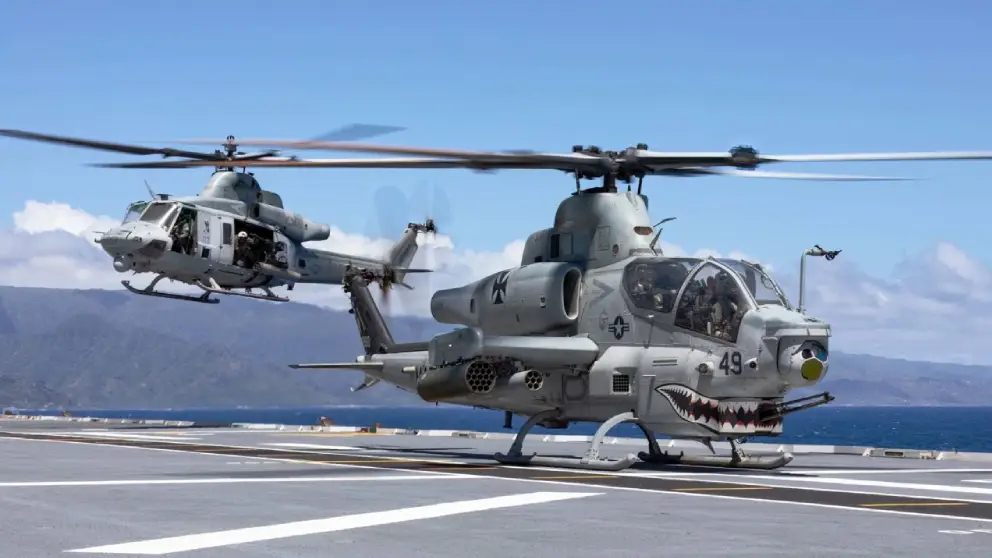
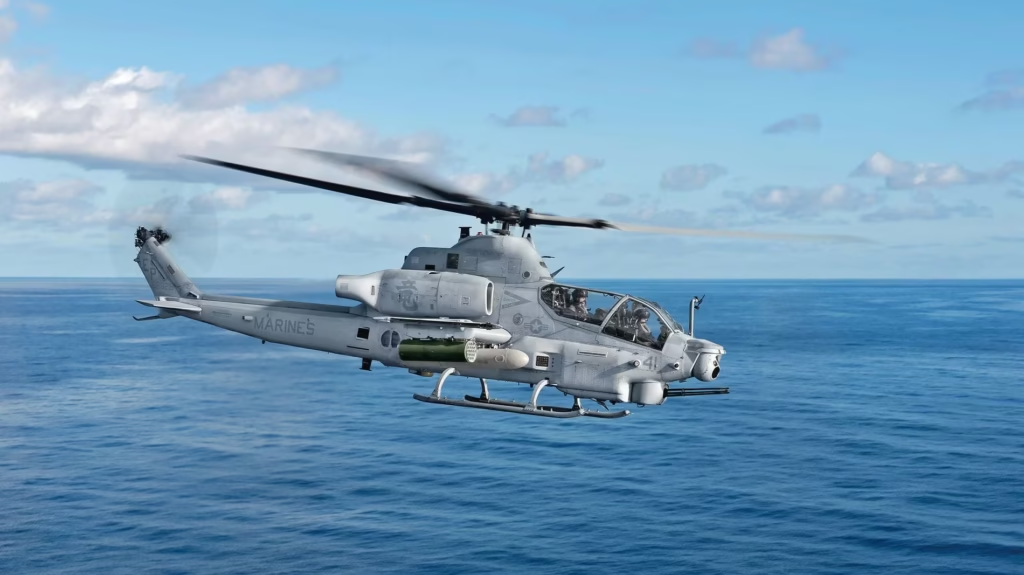
2. Bell AH-1Z Viper (USA)
Born from the legendary lineage of the Vietnam-era AH-1 Cobra, the AH-1Z Viper (also known as the Zulu Cobra) is the ultimate evolution of the world's first dedicated attack helicopter. Primarily used by the U.S. Marine Corps, it is designed to operate in the harshest maritime environments.
Why It’s Lethal:
The Viper features a new four-bladed, all-composite rotor system that significantly reduces its acoustic signature and vibration, making it faster and stealthier than its predecessors.
Commonality: Interestingly, the AH-1Z shares 84% of its components with the UH-1Y Venom utility helicopter. This high level of commonality makes it incredibly easy to maintain and repair in remote combat outposts.
Precision Strike: It is equipped with the Target Sight System (TSS), which provides one of the longest-range and highest-resolution sensors of any attack helicopter, allowing it to identify and destroy targets before the enemy even knows a helicopter is in the area.
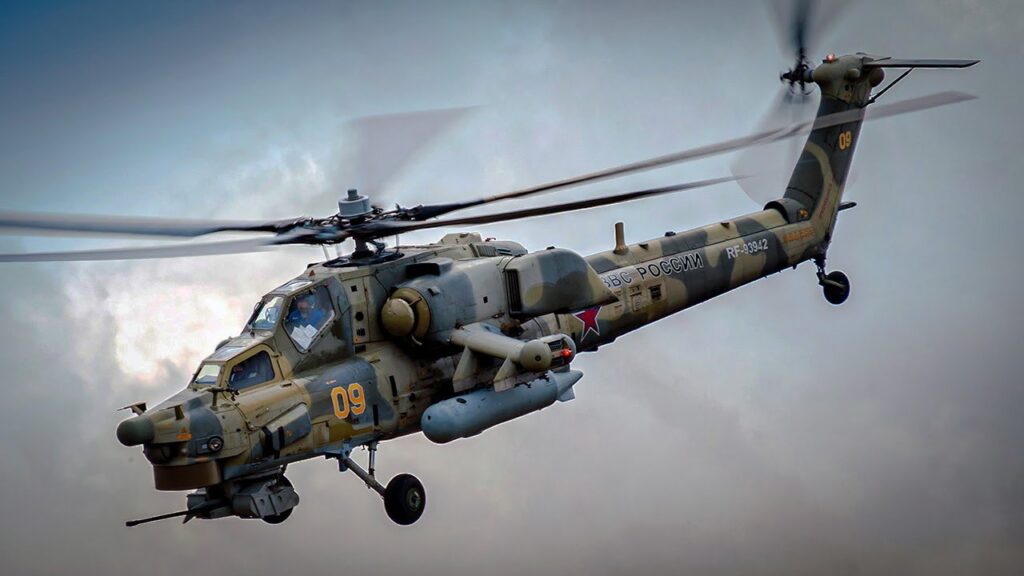
3. Mil Mi-28NM Havoc (Russia)
If the Apache is a precision sniper, the Mil Mi-28NM Havoc is a heavy-duty sledgehammer. Designed as a dedicated successor to the aging Hind, the Havoc was built specifically to hunt tanks in all weather conditions, day or night.
Why It’s Lethal:
The Mi-28 is built for survivability. The cockpit is heavily armored, featuring reinforced glass that can withstand 12.7mm rounds. It also features a unique 'emergency escape system' for the crew a rarity in the helicopter world.
There’s more to life than simply increasing its speed.
By Udaipur Freelancer
Night Hunter: The 'N' in the Mi-28N stands for Night, and the latest 'NM' variant features a mast-mounted 360-degree radar and an upgraded engine.
Firepower: It carries a 30mm Shipunov 2A42 autocannon and a massive array of Ataka anti-tank missiles. One unique feature is the small passenger compartment that can fit three people, designed primarily to rescue the crews of downed aircraft.
4. Mil Mi-24/35 Hind (Russia)
No list of lethal helicopters is complete without the Mil Mi-24 Hind, famously nicknamed the 'Devil’s Chariot' by Afghan Mujahideen. It is the only aircraft on this list that serves a dual role: it is both a heavy gunship and a troop transport.
Why It’s Lethal:
The Hind is massive. Its silhouette is unmistakable, and its speed is legendary the early Hind models held several world speed records. Its cockpit is a 'titanium bathtub' that protects the pilot from heavy ground fire.
Hybrid Power: While most attack helicopters only carry two crew members, the Hind can carry eight fully equipped soldiers in its belly. This allows it to drop off a strike team and then stay on the scene to provide overwhelming fire support.
Psychological Warfare: The sheer size and bristling weaponry of a Hind have a psychological impact on ground troops that few other aircraft can match. In its upgraded Mi-35 form, it features improved night vision and multi-role missile compatibility.
5. Kamov Ka-52 Alligator (Russia)
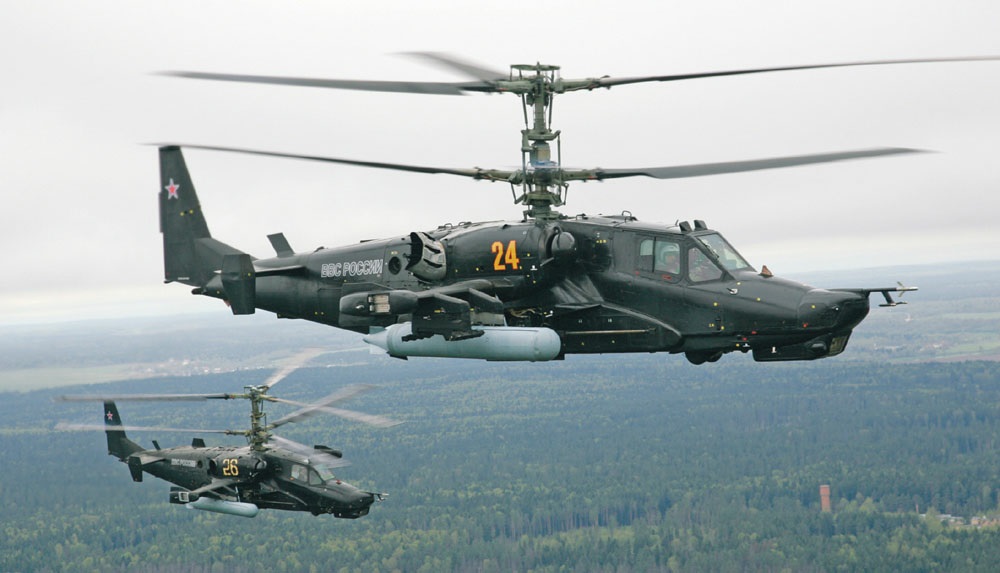
The Kamov Ka-52 Hokum-B is perhaps the most unique-looking attack helicopter in the world. Using a coaxial twin-rotor system (two sets of rotors spinning in opposite directions), it does away with the traditional tail rotor entirely.
Why It’s Lethal:
The coaxial design makes the Ka-52 incredibly agile. It can perform maneuvers that are impossible for other helicopters, such as a side-ward flight at high speeds or a funnel maneuver where it circles a target while keeping its nose and guns pointed directly at it.
Ejection Seats: The Ka-52 is the world’s first and only operational helicopter equipped with a crew ejection system. Before the seats fire, the rotor blades are blown off via explosive bolts to ensure a safe exit.
Side-by-Side Seating: Unlike the tandem (front-to-back) seating of most gunships, the Ka-52 seats its pilots side-by-side. This improves communication and workload sharing during high-intensity combat.
Conclusion: The King of the Skies
While helicopters like the CAIC Z-10, Eurocopter Tiger, and India’s HAL Prachand are formidable machines in their own right, the five listed above represent the pinnacle of current combat aviation.
Whether it is the tech-heavy AH-64E Apache or the rugged, troop-carrying Mi-24 Hind, these machines prove that in modern warfare, whoever controls the low-altitude airspace controls the battlefield. As drone technology continues to evolve, these lethal helicopters are not retiring. they are simply becoming the command centers for the next generation of aerial combat.
Udaipur Freelancer delivers high-quality web, marketing, and design solutions. We focus on building impactful digital experiences that help your brand succeed in today's market.
















Recommended for you
Must-See Art Exhibitions Around the World This Year
The Revival of Classical Art in a Digital Age
Breaking Down the Elements of a Masterpiece Painting
The Revival of Classical Art in a Digital Age