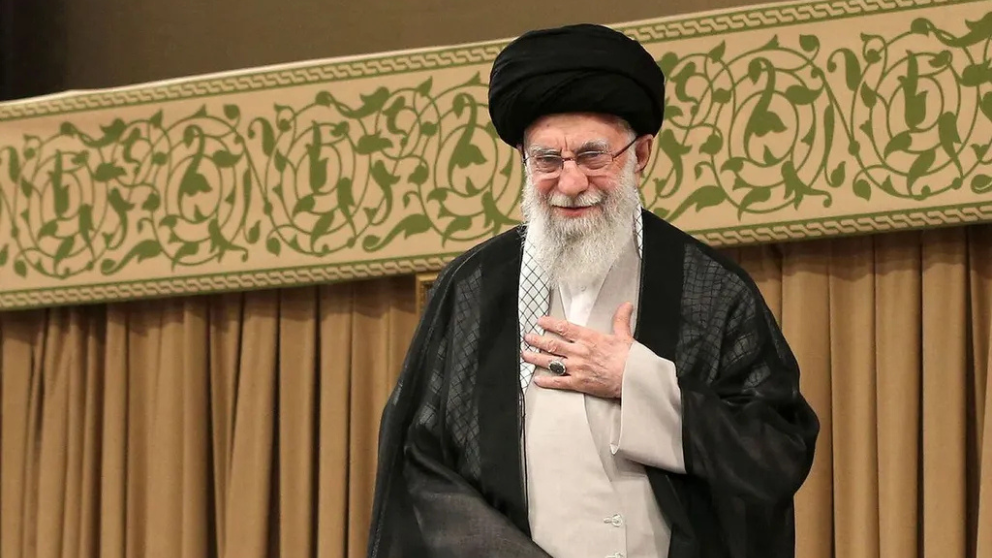
Have you been scrolling through social media lately? If you have, you’ve probably seen the wild theories exploding all over the internet about the recent airstrikes in Iran. The biggest rumor? A straight-out-of-a-movie spy plot about how Israeli intelligence (Mossad) managed to track down Iran’s Supreme Leader, Ayatollah Ali Khamenei.
People online are calling it the 'Tooth Fairy Theory'. The story goes that undercover Mossad agents infiltrated Iran posing as top-tier dentists and doctors. While doing routine dental check-ups and fillings on elite Iranian military officials and politicians, they supposedly implanted tiny, high-tech tracking chips right into their teeth! Can you imagine? A dental filling with a GPS tracker! On top of that, there are massive rumors about internal informants moles deep inside Iran’s Revolutionary Guard (IRGC) who secretly leaked Khamenei’s exact location just before the strike.
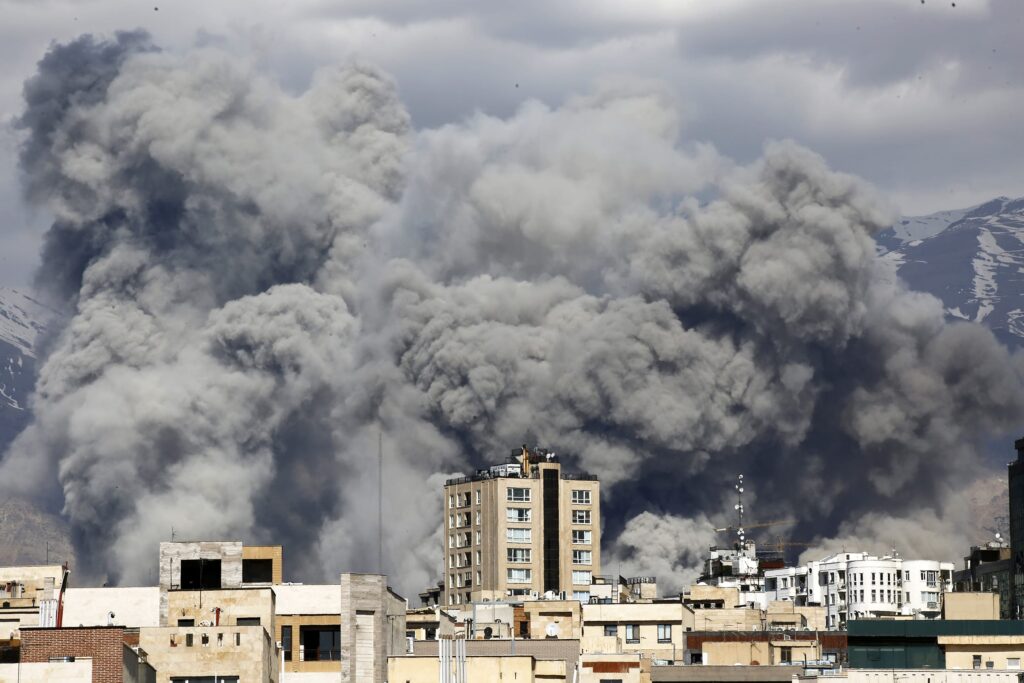
While intelligence experts are saying a microchip in a tooth is practically impossible due to battery and signal limits, the internet loves a good spy thriller. Whether it was hacked street cameras, secret moles, or crazy dental gadgets, one thing is 100% real, the massive and very serious conflict happening right now between Iran, Israel, and the US.
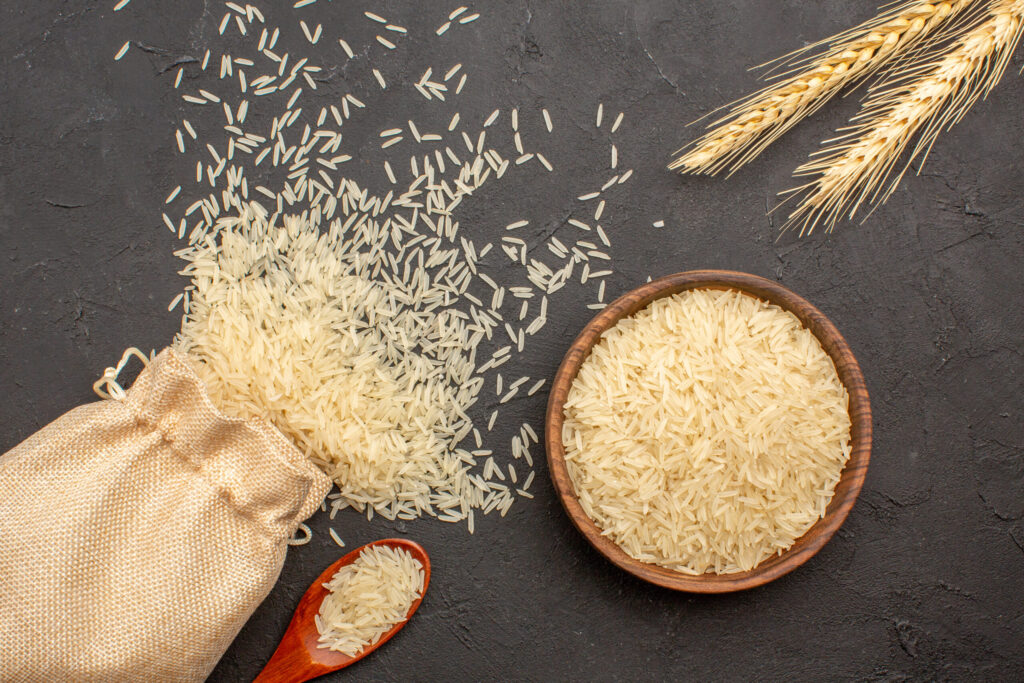
But here is where the story takes a wild turn. You might be sitting in India thinking, "What does a spy war in the Middle East have to do with me?" Well, if you enjoy a good plate of Biryani, or if you care about Indian farmers, it has everything to do with you. The ongoing tensions are hitting us right where it hurts, our food and our economy. Specifically, India's prized Basmati rice.
The Shocking Ripple Effect on Indian Basmati
Let's step away from the spy movies for a second and look at the real-world fallout. The ongoing war involving Iran, Israel, and the US is doing way more than just making headlines. it is starting to seriously mess with global trade. One sector feeling the heat the most? India's basmati rice export market.
Did you know that India sends nearly 72% of its total basmati exports straight to Middle Eastern countries? It is a massive business. But as the conflict spreads and uncertainty clouds the region, exporters and farmers are biting their nails. If this war drags on for a long time, exports could take a massive nosedive, and our hardworking farmers will be the ones paying the ultimate price.
Right now, the situation on the ground is highly stressful. Shipments worth hundreds of crores of rupees are literally stuck at ports. To make matters worse, payments worth crores have been delayed. Imagine sending your product out and having no idea when or if you will get paid. This has pushed the anxiety levels of our exporters through the roof.
Why Does the Middle East Love Our Rice So Much?
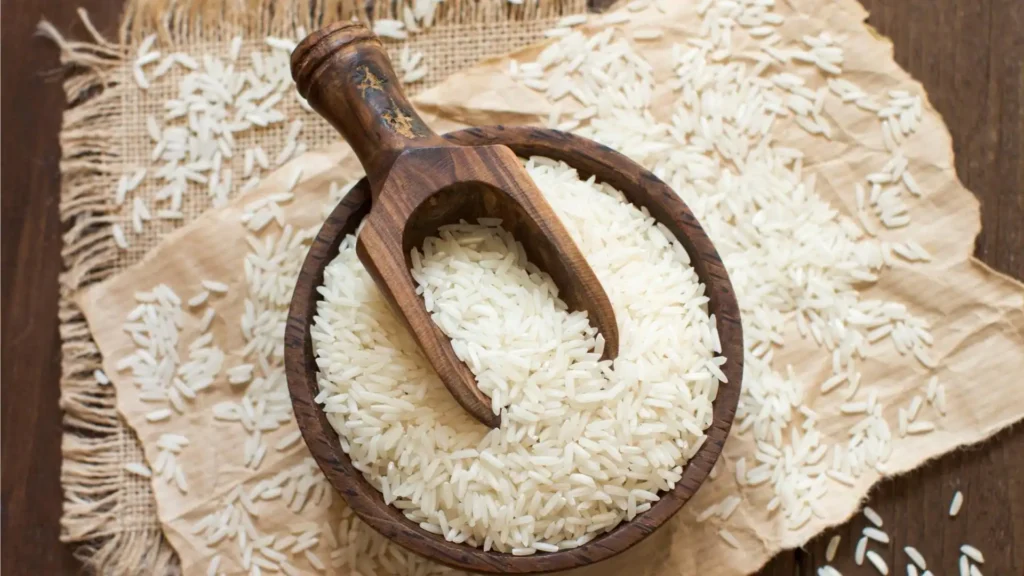
Ashok Sethi, the Director of the Punjab Basmati Rice Exporters Association (PBREA), broke it down simply. He says that Middle Eastern countries are our biggest buyers for one delicious reason: Biryani. Basmati rice is the star ingredient in their daily meals and festive dishes.
Let's look at the numbers because they are truly mind-blowing. In the year 2024-25, India exported a whopping 40,65,483 metric tonnes of basmati rice. That brought in foreign exchange earnings worth Rs 50,512 crore! Out of that massive pile of money, Rs 36,139 crore came purely from Middle Eastern countries alone.
Who are the top five VIP buyers of our basmati? They are Saudi Arabia, Iraq, Iran, the United Arab Emirates (UAE), and Yemen. Together, these five nations make up a solid 67% of India's total basmati exports. Interestingly, even though our neighbor Pakistan also grows basmati rice, these Middle Eastern countries heavily prefer the Indian varieties. We simply have the better grain!
Iran's Love-Hate Relationship with Indian Basmati
Let's zoom in on Iran, the country at the center of all this geopolitical drama. According to data from the Directorate General of Commercial Intelligence and Statistics (DGCIS), Saudi Arabia is currently our number one buyer. In 2024-25, Saudi Arabia bought Indian basmati rice worth Rs 10,191 crore.
There’s more to life than simply increasing its speed.
By Udaipur Freelancer
Iran is still a huge player, though. During that same period, Iran imported agricultural products from India worth Rs 8,897 crore, and basmati rice alone made up Rs 6,374 crore of that total. This makes Iran the third-largest buyer of our basmati today.
But things have been slipping for a while. Iran used to be our absolute biggest customer! Back in 2018-19, they held a massive 33.03% share of our exports, buying 14,83,697 metric tonnes. In 2019-20, it dropped to a 28.45% share (13,19,156 tonnes). Fast forward to 2022-23, it fell to 9,98,877 tonnes, and in 2024-25, the figure went down to 8,55,133 tonnes.
Now, experts are warning that the recent protests in Iran, combined with this explosive new war between December 2025 and March 2026, could crush these export numbers even further. In such a chaotic and uncertain environment, buyers in Iran are too scared to place new orders, and Indian sellers are too scared to ship anything without knowing if they'll get their money securely.
The Payment Nightmare for Exporters and Farmers
Here is the biggest problem, most of this rice is sold on credit. That means the rice ships out first, and the payments come later. With the Middle East currently acting like a powder keg, exporters are terrified that they might not receive their money on time. There are also huge fears that existing deals might just be canceled out of nowhere.
Because of this nightmare, Ashok Sethi has stepped up and made a plea to the central government. He is asking them to step in and offer payment guarantees through the Export Credit Guarantee Corporation. He warned everyone that whether the exports just slow down or completely stop, the farmers are the ones who will suffer in both cases. If demand drops, the prices drop with it. This directly hits the farmers' incomes, taking food off their own tables.
A Global Giant Facing Temporary Hurdles
Despite all this doom and gloom, India isn't backing down. Pakistan has tried hard to challenge our basmati trade in places like the European Union, Australia, and New Zealand, but Indian basmati remains the undisputed king globally. Today, basmati rice makes up about 20% of India's total agricultural exports. It remains highly valued in international markets.
However, the warning bells are ringing loudly. Exporters are making it crystal clear. if the war involving Iran, Israel, and America drags on for an extended period, India's basmati trade could face a massive disruption. And as always, the hardworking Indian farmers might be the ones left to bear the brunt of it.
So, the next time you hear a crazy viral story about Mossad, dental chips, and secret spies in the Middle East, remember that the butterfly effect of those events reaches all the way to the rice fields of India. It is a crazy, deeply connected world we live in!
Udaipur Freelancer delivers high-quality web, marketing, and design solutions. We focus on building impactful digital experiences that help your brand succeed in today's market.














Recommended for you
Must-See Art Exhibitions Around the World This Year
The Revival of Classical Art in a Digital Age
Breaking Down the Elements of a Masterpiece Painting
The Revival of Classical Art in a Digital Age