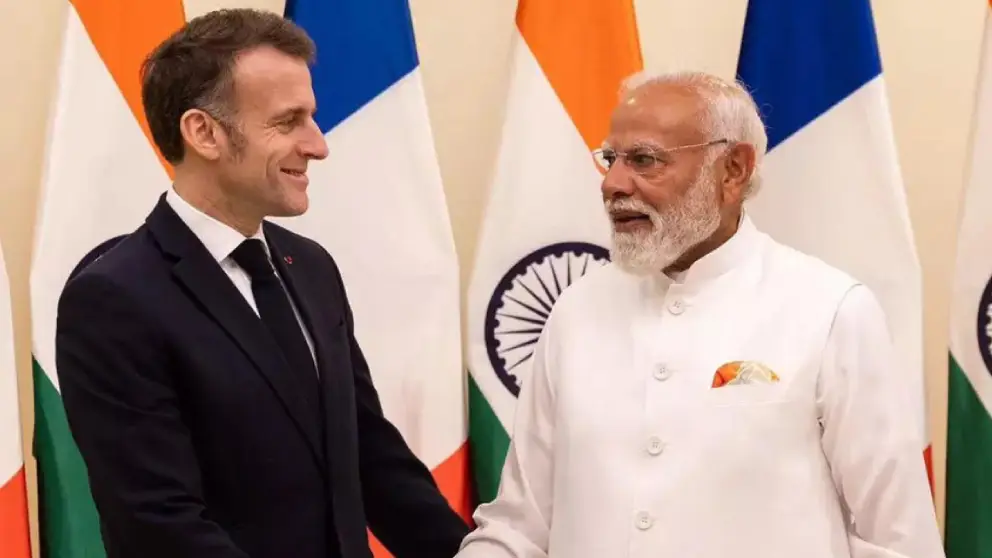
If you’ve been following the news lately, you might have noticed a lot of buzz surrounding India and France. It’s not just about fancy dinners or photo ops. something much bigger is happening. Recently, Prime Minister Narendra Modi and French President Emmanuel Macron met in Mumbai, and they didn’t just talk they signed deals that are going to change the face of Indian defense and technology for years to come.
We are talking about Hammer missiles, advanced helicopters, and a whole new level of friendship. In this blog, we’re going to break down exactly what happened, why it matters to you, and how India and France are becoming the ultimate power couple on the global stage.
A Friendship Like No Other: The Special Upgrade
To understand where we are going, we have to look at where we started. PM Modi described France as one of India’s oldest and most trusted strategic partners. But during this latest visit, they decided to take things a step further.
They officially elevated their relationship to a 'Special Global Strategic Partnership.' Now, that sounds like a lot of big words, but in simple terms, it means the two countries are now best friends with benefits. They aren’t just trading goods. they are sharing secrets, building weapons together, and looking out for each other in a world that feels a bit shaky right now.
PM Modi put it perfectly when he said that at a time when the world is going through a period of uncertainty, the India-France partnership stands as a 'force for global stability.' This isn't just about two countries, it's about keeping the whole world a bit safer.
The Big News: Manufacturing Hammer Missiles in India
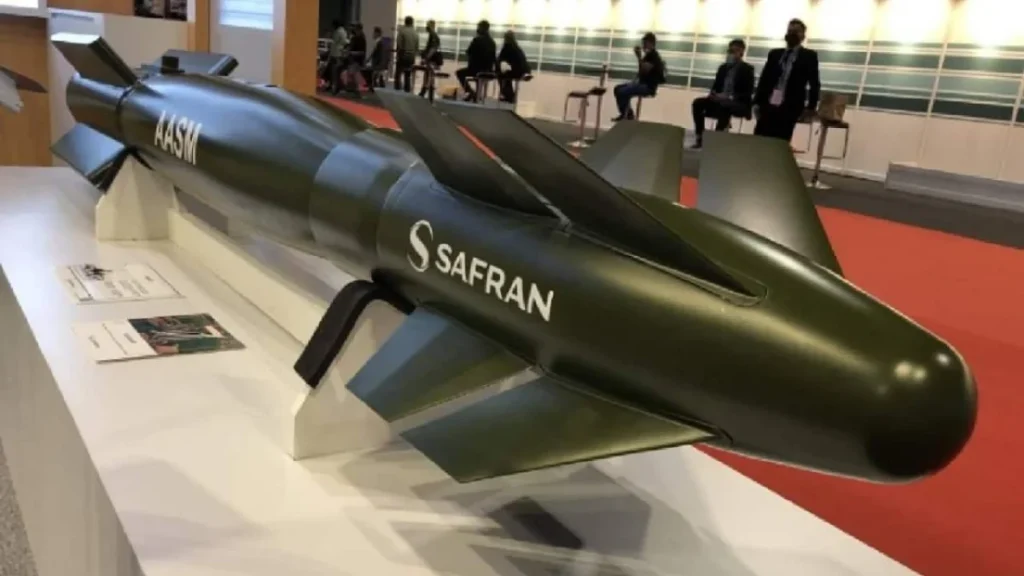
One of the absolute biggest headlines from this meet-up was the agreement to produce Hammer missiles right here in India.
What is a Hammer Missile?
For those who aren't military experts, the Hammer (Highly Agile Modular Munition Extended Range) is a super-smart, long-range missile. It’s the kind of tech that can be dropped from a fighter jet and navigate its way to a target with incredible precision.
The Deal
A joint venture has been set up between India’s Bharat Electronics Limited (BEL) and France’s Safran Electronics & Defense. Instead of India just buying these missiles from France, we are going to make them here.
This is a huge win for the 'Make in India' initiative. It means:
Jobs: New factories mean more jobs for Indian engineers and technicians.
Technology: India gets access to high-end French technology.
Independence: We don't have to rely on other countries to ship us ammo during a crisis, we can build it ourselves.
Taking to the Skies: The H125 Helicopter Assembly Line
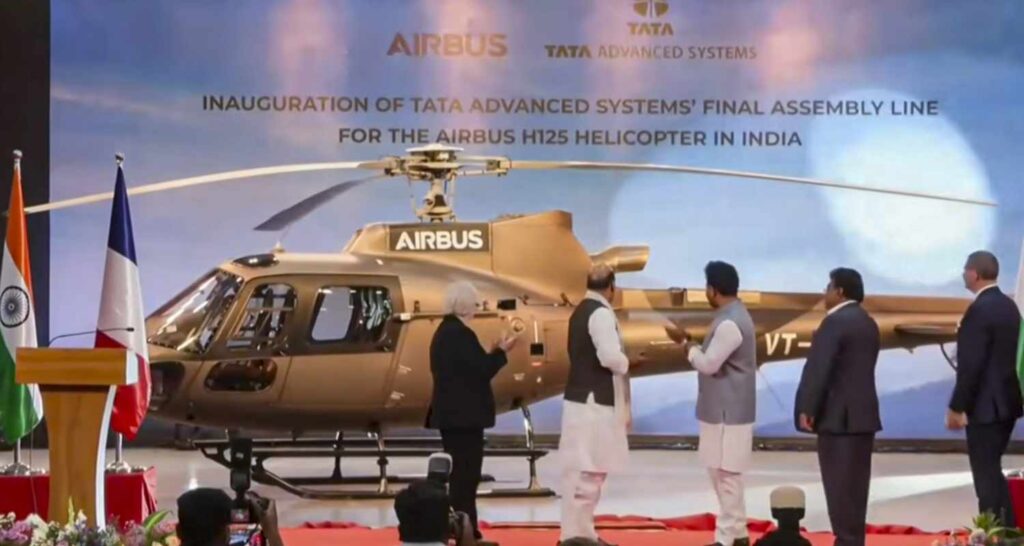
If missiles weren't enough, let’s talk about choppers. India and France have officially launched a Final Assembly Line (FAL) for the H125 helicopter.
This is a massive partnership between Airbus and Tata Advanced Systems. They chose Karnataka as the home for this new facility.
Why the H125 is Special
PM Modi highlighted something amazing about this helicopter: it is described as the only one capable of flying to the heights of Mount Everest. Think about that for a second. This isn't just a regular helicopter; it’s a high-performance machine that can handle some of the toughest environments on Earth.
Why This Matters
By building these in India, we aren't just making them for our own army. The plan is to export them globally. This puts India on the map as a major hub for aerospace production. When a country in South America or Europe wants a top-tier helicopter, they might soon be buying one that says Made in India.
Renewing the 10-Year Defence Roadmap
Friendships need a plan, and India and France just signed a fresh one. They renewed their 10-year defense cooperation agreement.
This happened during the sixth India-France Annual Defence Dialogue in Mumbai. Our Defence Minister, Rajnath Singh, and his French counterpart, Catherine Vautrin, sat down to confirm that defense is the central pillar of our relationship.
This roadmap ensures that for the next decade, our armies will keep talking, our scientists will keep collaborating, and our governments will keep supporting each other. It’s like a 10-year subscription to safety and innovation.
Military-to-Military: Learning from Each Other
It’s one thing for leaders to shake hands, but it’s another for the soldiers on the ground to work together. The latest agreements have made this even easier.
Reciprocal Deployment Officers
India and France have decided to swap officers. Indian Army officers will be stationed at French Land Forces establishments, and French officers will come to India.
Why do this? Because it helps both sides understand how the other works. If there is ever a situation where the two countries need to fight side-by-side (like in peacekeeping missions), they will already know each other's playbook.
There’s more to life than simply increasing its speed.
By Udaipur Freelancer
Exercise Shakti Goes Annual
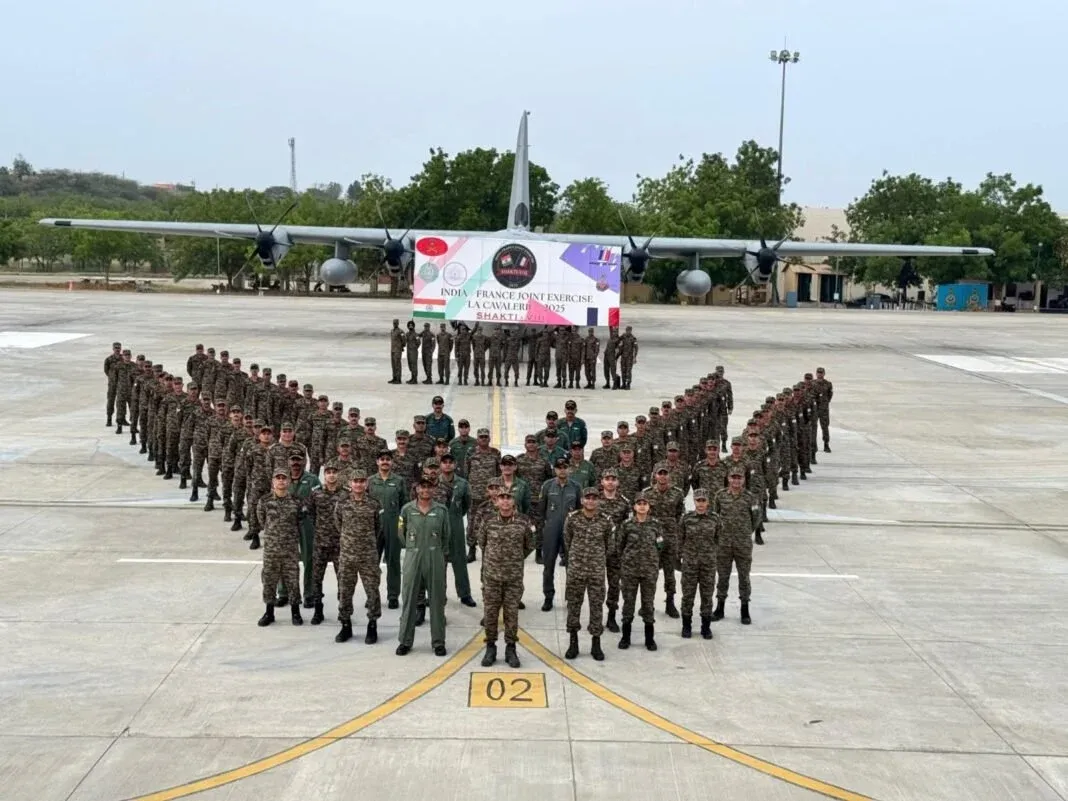
You might have heard of Exercise Shakti, which is a joint military drill between the two nations. Previously, it happened every two years (biennial). Now, they’ve decided to make it annual. This means more training, better coordination, and a stronger military bond.
The Rafale Legacy Continues
We can't talk about India and France without mentioning the Rafale. The images remind us that India is moving forward with a proposal to procure 26 Rafale fighter jets (specifically for the Navy) under a government-to-government framework.
The Rafale has already become a symbol of Indian air power. This latest push ensures that our Navy gets the same world-class technology that our Air Force already uses.
More Than Just Weapons: The Year of Innovation 2026
While defense is a big part of the story, PM Modi and President Macron want this partnership to touch the lives of regular people too. They announced the 'India-France Year of Innovation 2026.'
What does this mean for you?
The goal is to move away from isolation and toward collaboration. This initiative will connect:
Startups: Indian and French tech founders can work together.
Students: More exchange programs and research opportunities.
MSMEs: Small businesses will get a chance to enter the global market.
They are setting up three major future-building platforms:
Indo-French Centre for Joint Health: Focusing on the next generation of medicine.
Indo-French Centre for Digital Science and Technology: Thinking about AI, Big Data, and the future of the internet.
National Centre of Excellence for Skilling in Aeronautics: Training the next generation of pilots and aircraft engineers.
Culture, Climate, and Connectivity
The partnership isn't just about the future, it’s also about honoring the past and saving the planet.
The Cultural Connection
India is set to open the Swami Vivekananda Cultural Centre in France. At the same time, the two countries are collaborating on the National Maritime Heritage Complex at Lothal (one of the world's oldest ports located in Gujarat). This shows that while we are building missiles, we also care deeply about our shared history and culture.
A Greener World
Both leaders highlighted their success with the International Solar Alliance. They are committed to fighting climate change together. They also discussed the India-Middle East-Europe Economic Corridor, a massive project that will make trade between India and Europe faster and cheaper.
Why President Macron’s Visit Matters
President Macron didn't just come alone. he brought the French First Lady, Brigitte Macron. His three-day visit (February 17-19) was packed. He attended the AI Impact Summit and held high-level discussions that touched on everything from Artificial Intelligence to global governance.
His visit shows that France sees India as an equal. Macron called the relationship 'remarkable and unique,' rooted in trust and ambition. In a world where many countries are arguing, India and France are proving that you can build a stable, prosperous future if you work together.
The Final Takeaway: A New Phase
So, what does this all mean for the average person?
It means India is becoming a powerhouse. We are no longer just buying things from the West; we are building them with the West. Whether it's the Hammer missiles that protect our borders or the H125 helicopters that can reach the highest peaks, India is stepping up.
The India-France ties have entered a New Phase. It’s a phase of manufacturing, innovation, and deep trust. As PM Modi said, this partnership is a 'force for global stability.'
And honestly? It’s pretty exciting to watch.
Quick Recap of the Major Deals:
Hammer Missiles: To be produced in India by BEL and Safran.
H125 Helicopters: Final Assembly Line to be set up in Karnataka by Tata and Airbus.
Rafale Jets: 26 new jets for the Indian Navy are in the works.
Year of Innovation 2026: A massive push for tech, health, and AI collaboration.
Officer Swaps: Closer ties between the Indian and French armies.
Thanks for reading! If you found this breakdown helpful, feel free to share it with your friends who love staying updated on India's global moves. Stay tuned for more simple and easy-to-read takes on the world's biggest news!
Udaipur Freelancer delivers high-quality web, marketing, and design solutions. We focus on building impactful digital experiences that help your brand succeed in today's market.













Recommended for you
Must-See Art Exhibitions Around the World This Year
The Revival of Classical Art in a Digital Age
Breaking Down the Elements of a Masterpiece Painting
The Revival of Classical Art in a Digital Age