You might have heard the news: a vaccine-derived polio virus (VDPV) has been found in a sewage sample in Ghaziabad. This has led to a massive survey covering 30,000 households. If you're wondering what this means, especially since India was declared polio-free, let's break it down in simple terms.
The Ghaziabad Story So Far
Around June 5th, a routine check of a sewage sample from the Vijay Nagar pumping station in Ghaziabad showed traces of a vaccine-derived polio virus. Don't panic! This doesn't mean polio is back in the way we knew it. However, health officials are taking this very seriously, which is a good thing.
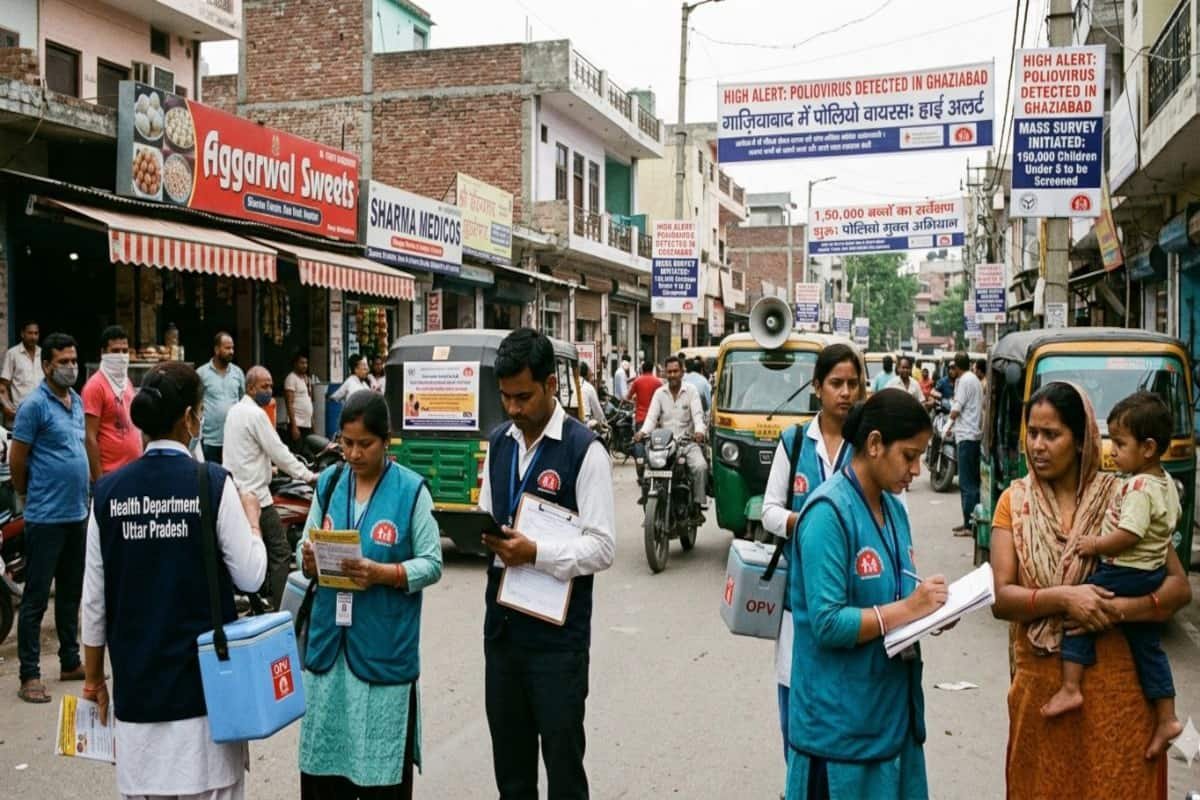
After the detection, the District Surveillance Unit quickly mapped out all the areas that might be affected by this sewage network. This led them to identify 12 localities, home to about 1.5 lakh (150,000) people. These areas include Bulandshahr, Shastri Nagar, Raj Nagar, Daulatpura, Panchvati Kot village, Ghukna, Hindon Vihar, Kaila Bhatta, Mirzapur, Vijay Nagar 1, Vijay Nagar 2, and Kharati Nagar.
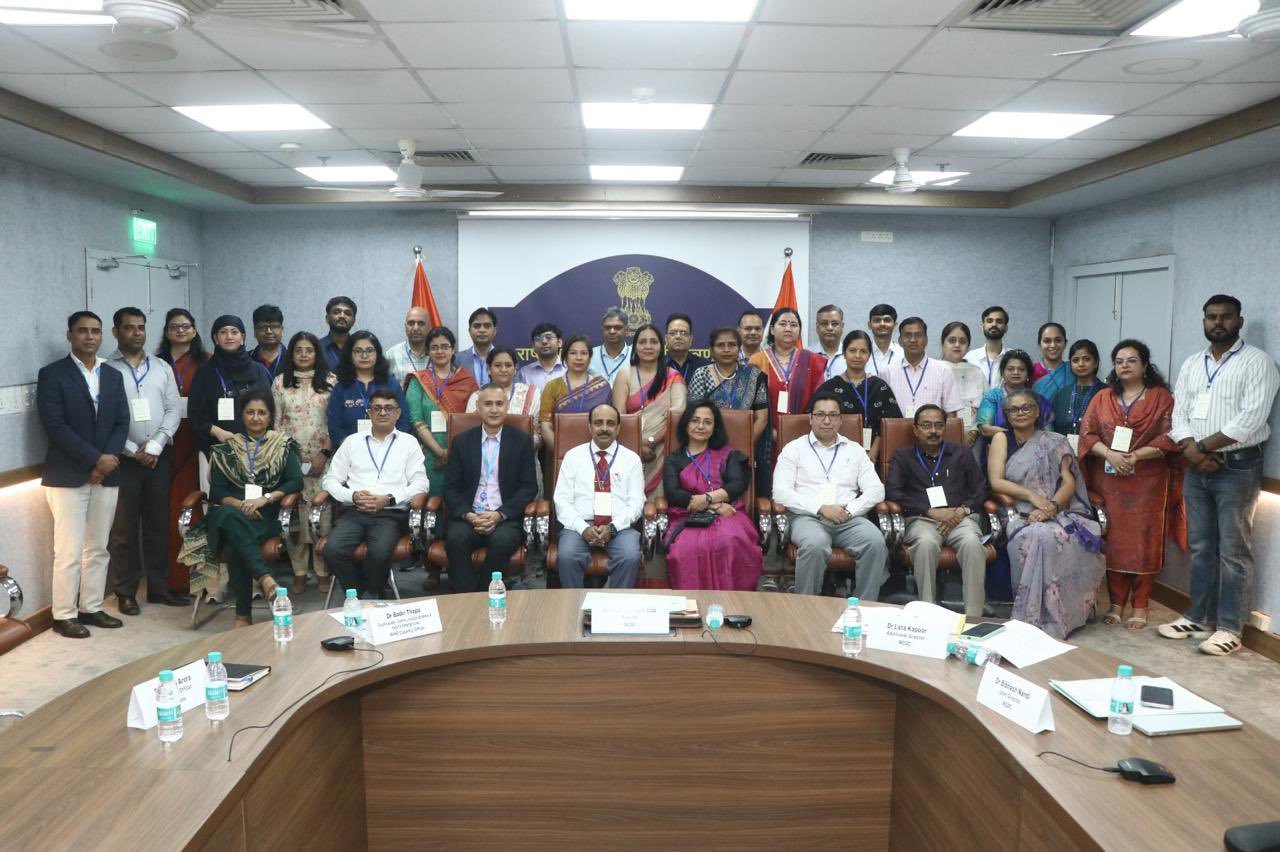
An extensive door-to-door survey started on Tuesday. Health teams are visiting homes to find children under five years old. So far, they've already checked over 5,400 homes and nearly 2,600 children in parts of Bulandshahr and Shastri Nagar. This large-scale effort is being watched closely by the Uttar Pradesh government, the National Centre for Disease Control (NCDC), and even the World Health Organization (WHO).
Understanding Vaccine-Derived Polio Virus (VDPV)
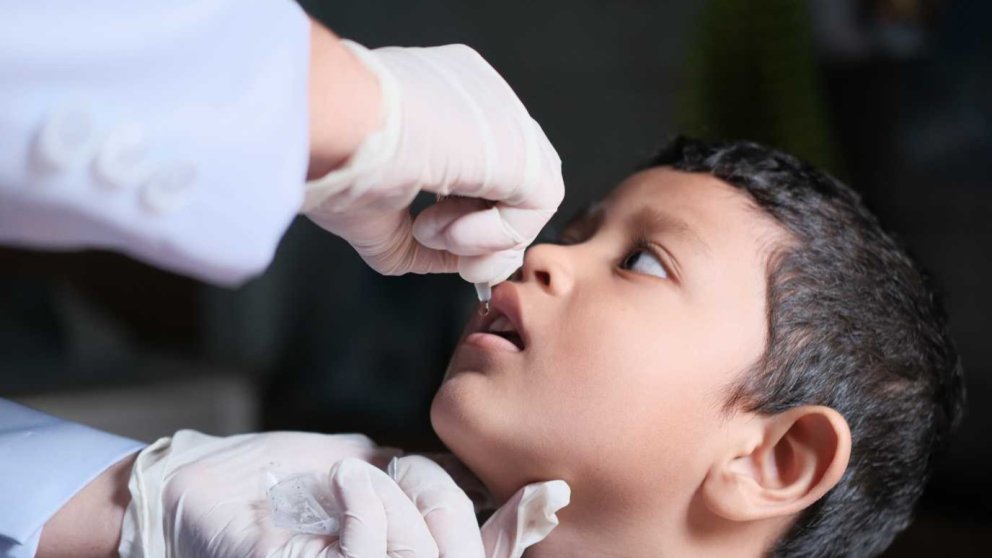
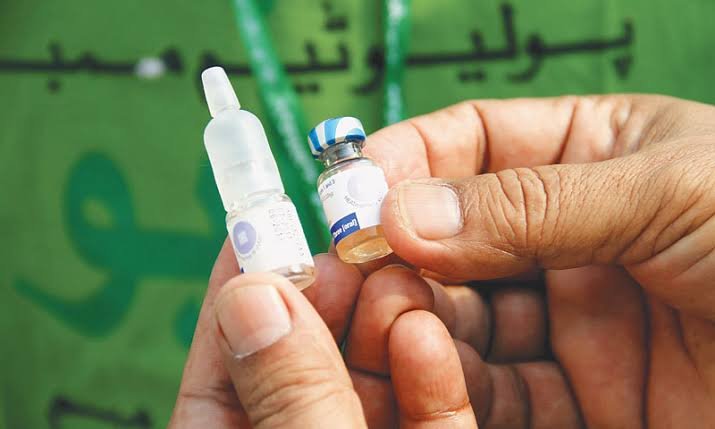
The term 'vaccine-derived' might sound scary, but let's understand what it really means. The oral polio vaccine (OPV) uses a weakened, live polio virus to help build immunity. After a child gets the vaccine, this weakened virus can briefly live and grow in their gut and then be passed out in their stool (poop).
In extremely rare cases, if this weakened virus circulates for a long time in an area where many people are not vaccinated (meaning they have low immunity), it can change and become strong enough to cause paralysis. This is what we call VDPV. However, officials have said that the strain found in Ghaziabad is mostly non-virulent and has remained contained so far.
It's important to remember that VDPVs are very rare. They are mostly seen in people with weak immune systems or in communities where vaccination rates are very low. This is why widespread vaccination is so crucial.
India's Fight Against Polio: A Success Story of Vigilance
India was declared polio-free by the WHO in 2014, a huge achievement! This means there's no wild polio virus circulating. But being polio-free doesn't mean we stop being careful. India continues to have a strong surveillance system.
This includes looking for cases of 'acute flaccid paralysis' (AFP), which can be a sign of polio. More importantly, India also does 'environmental surveillance.' This involves regularly collecting and testing sewage samples from different places across the country every two weeks to find any polio virus in faecal matter. This is exactly how the VDPV was found in Ghaziabad. Similar instances have been reported before, for example, in Varanasi and Meghalaya, showing that our surveillance system works effectively.
Why This Survey is So Important
The current survey in Ghaziabad is a critical step. Even though the detected virus is largely non-virulent, finding it means we need to act quickly. The main goals of this massive door-to-door survey are:
There’s more to life than simply increasing its speed.
By Udaipur Freelancer
To ensure that every child below five years of age in the affected areas has received all their polio vaccine doses.
To identify any gaps in vaccination coverage, especially in communities where immunity might be lower.
To stop any possible spread of the virus, even if it's a weakened form.
This proactive approach helps maintain India's polio-free status. It's an example of how seriously our public health system takes even the smallest hint of a threat. Just like how cities manage big events and traffic diversions, public health initiatives also need seamless planning and execution to keep everyone safe.
Your Role in Keeping India Polio-Free
For residents of Ghaziabad, especially those in the identified 12 localities, your cooperation is key. When health workers come to your door, please welcome them, provide accurate information, and ensure that all children under five in your household are checked for vaccination status.
For everyone else, the message remains clear: vaccination is the best and only protection against polio. Make sure your children receive all their routine immunizations on time. This collective effort is what keeps our communities safe.
Understanding the data from these surveys is crucial. Much like how experts perform detailed analysis on important exams to understand trends and improve future outcomes, health officials constantly analyze surveillance data to keep our public health strategies effective and adaptable.
Moving Forward
The detection of VDPV in Ghaziabad is a reminder that constant vigilance is needed. It highlights the strength of India's surveillance system and the quick response of health authorities. By working together, cooperating with health teams, and ensuring high vaccination rates, we can continue to protect our children and uphold India's achievement of being polio-free.
Udaipur Freelancer delivers high-quality web, marketing, and design solutions. We focus on building impactful digital experiences that help your brand succeed in today's market.








Recommended for you
Must-See Art Exhibitions Around the World This Year
The Revival of Classical Art in a Digital Age
Breaking Down the Elements of a Masterpiece Painting
The Revival of Classical Art in a Digital Age