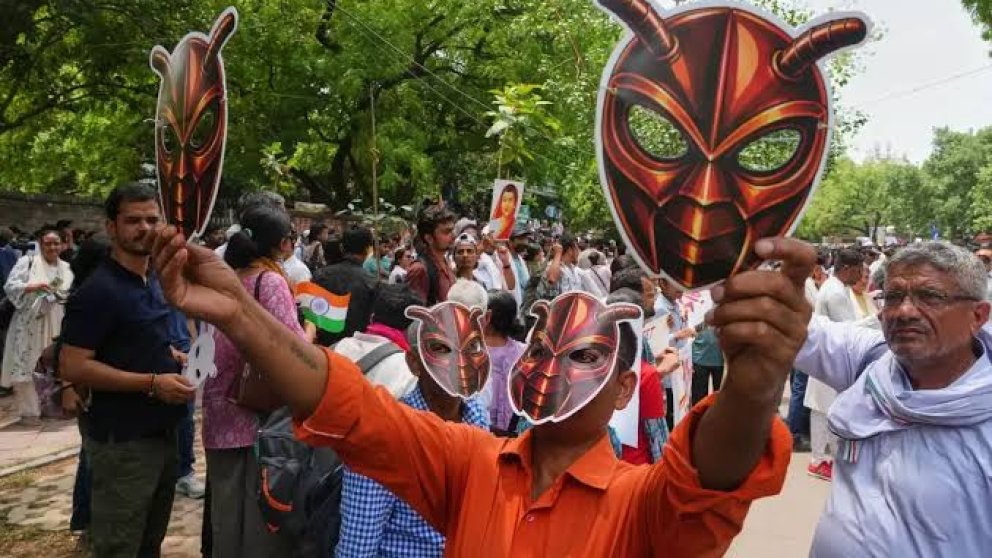
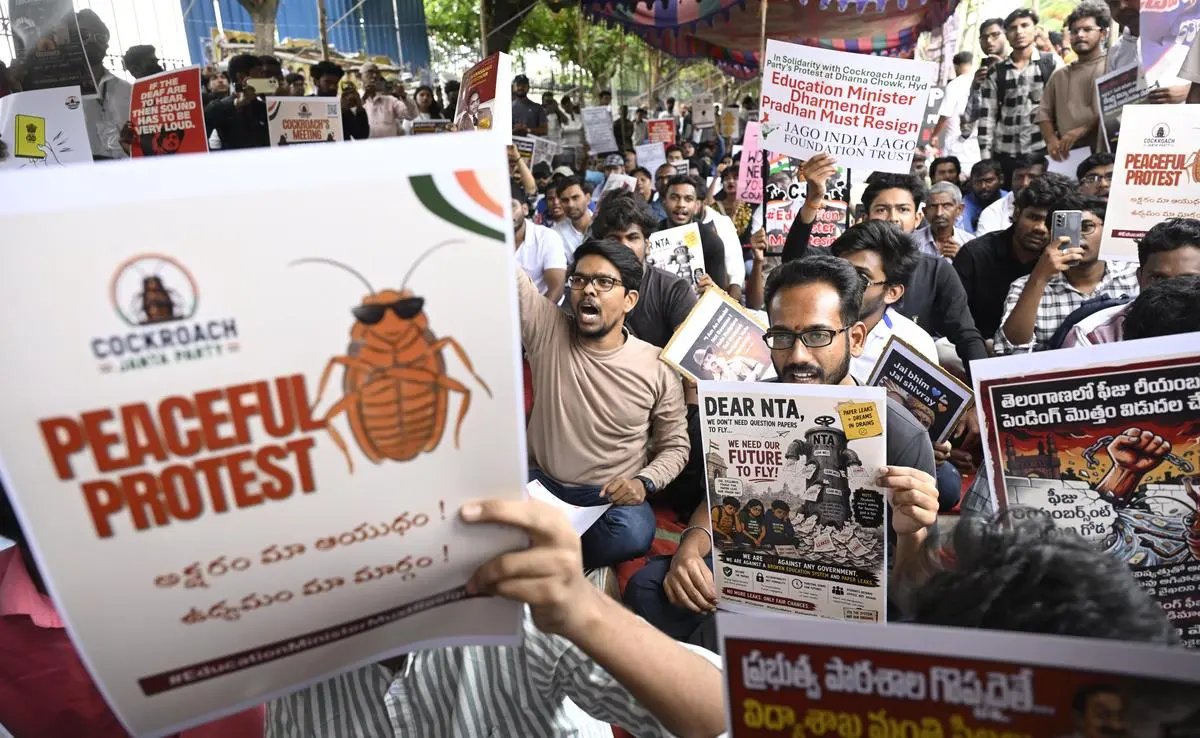
On June 6, a very unusual political group called the Cockroach Janta Party (CJP) held its first big rally at Jantar Mantar in New Delhi. This event surprised many people across India. Everyone started asking questions. Was this a sudden rally? Did another big political party secretly help them? What do these "cockroaches" really believe in? Is this just a short trend, or is it the start of a huge, lasting movement? Many people believe this is a modern thing made possible only by social media and young internet users.
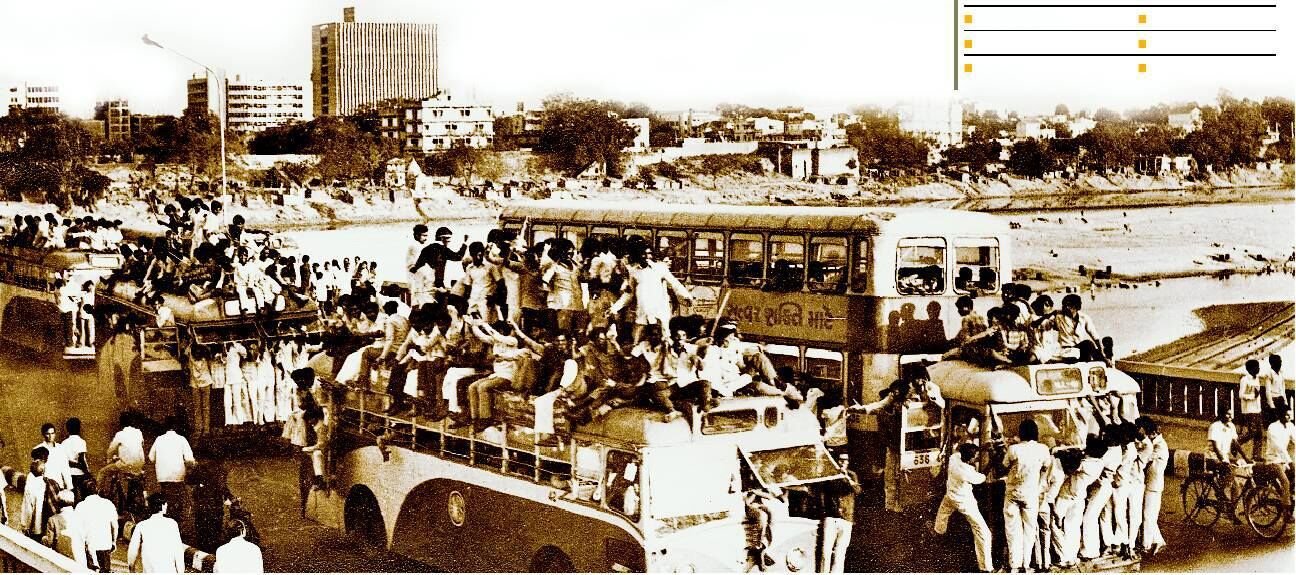
However, if we look back at history, we can see that this is not the first time such an event has taken place. Exactly fifty years ago, a similar student-led movement shook the state of Gujarat and changed the politics of the entire country. This was the famous Navnirman Movement of 1974. By studying this past movement, we can better understand what is happening today with the Cockroach Janta Party and digital democracy in India.
The Roots of Student Anger: Commercial Education
The CJP started because students were very angry about the paper leak in the National Eligibility-cum-Entrance Test (NEET). This leak showed deep issues in India's centralized and expensive education system. Students felt that education had become a business instead of a public service. Fifty years ago, Gujarat faced a very similar problem. During the 1970s, the number of college students in Gujarat grew ten times larger than before. Because of this fast growth, many colleges were built just to make money.
To make more money, these colleges lowered their admission rules. They also allowed part-time classes, which made the quality of education very poor. There were too many arts and commerce colleges because they were cheap to run. This created a huge crowd of graduates who could not find jobs, while there was a shortage of science and technical workers. Much of this bad system was linked to Chimanbhai Patel, the Chief Minister of Gujarat at the time. He was a former economics teacher who owned or controlled over fifty colleges. He also made a lot of money by publishing school textbooks. Just like today, students back then felt that the leaders were using education for personal gain.
Rising Costs and Daily Struggles
While bad education was the background issue, it was the rising cost of living that finally caused the explosion. In 1973 and 1974, food prices went up very fast. Students in two hostels in Saurashtra and Ahmedabad found that their monthly food mess bills had suddenly doubled. This made them very angry. They could not afford to eat properly, and their families were already struggling with the heavy cost of daily items.
This situation is very similar to how modern Indian families feel when costs go up. High inflation makes it hard for parents to pay for their children's education and basic needs. You can learn more about how rising expenses affect regular homes in our detailed article on the fuel price hike impact on household budget. When basic living costs and education costs rise at the same time, it creates a perfect storm for public protests. In 1974, the small protest over food bills quickly grew into a massive statewide movement that shook the government.
Using Humor and Satire to Protest
One of the most interesting parts of both the CJP and the Navnirman Movement is the use of humor. Today, the CJP uses funny memes and calls its members "cockroaches" to get attention. They use social media to share jokes that make fun of powerful politicians. This makes the movement feel friendly and easy to join for young people.
Fifty years ago, the students of the Navnirman Movement did almost the exact same thing without the internet. They used physical jokes and street theater to make fun of the government. For example, during their protests, students put a garland of beautiful roses around the neck of a donkey to mock political leaders. They also gave a broom to a senior politician and told him to "clean his dirty party." They read funny poems on the streets and even invited a young boot polish boy to launch their official book on hunger. This mix of serious anger and funny jokes kept the public interested and made the movement very popular.
There’s more to life than simply increasing its speed.
By Udaipur Freelancer
Peaceful Methods and Flowers
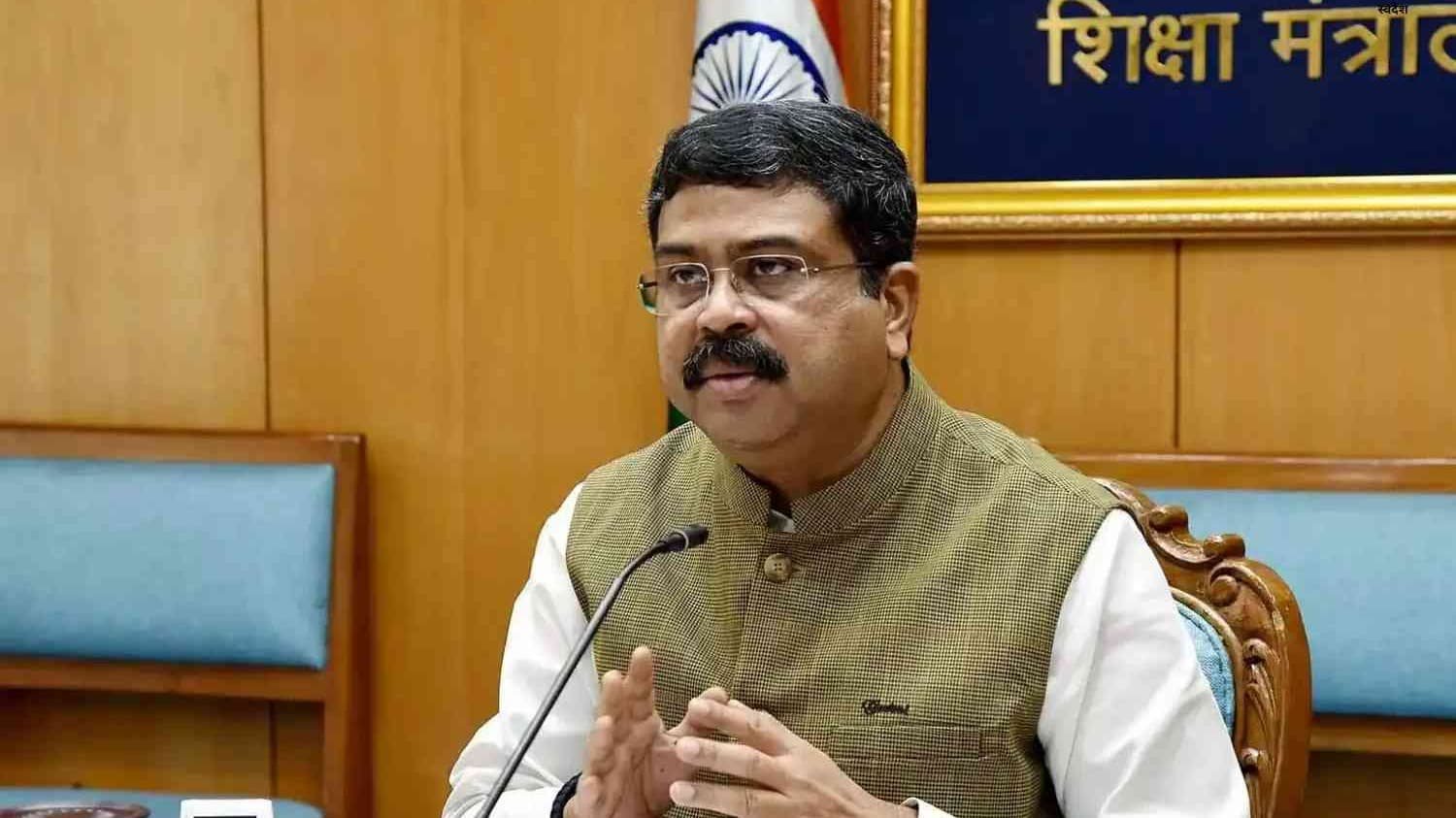
Another surprising similarity is how both movements used flowers and peaceful symbols. For the CJP rally at Jantar Mantar, organizers asked all supporters to carry fresh flowers. This was done to show that they did not want violence. They wanted to show peace while demanding clean systems and the resignation of the Education Minister, Dharmendra Pradhan.
During the Navnirman Movement in Gujarat, students did something very similar. When the government sent the army to control the protests, the students did not fight them. Instead, they welcomed the soldiers with flowers, hot tea, and sweet treats. They carried pictures of peace leaders like Mahatma Gandhi and B R Ambedkar. They wanted to show that they were not enemies of the country, but citizens who wanted a better future. Their main goal was also simple: they demanded the resignation of Chief Minister Chimanbhai Patel, whom they saw as the root of all corruption.
Middle-Class Support and Unity
At first, the Navnirman Movement was just a group of angry students without any real plan or structure. But very soon, school and college teachers joined them. These teachers had also been complaining about how education had become a cheap business. The combination of student energy and the smart guidance of teachers made the movement very strong.
According to historians, this peaceful leadership by educated people helped the movement win the trust of the middle class. Regular families, who usually avoid protests, felt safe supporting the students. They saw that the struggle was for a good cause—fair education and affordable food. This strong unity eventually forced the Chief Minister to resign and changed the face of politics in Gujarat and India.
The Lesson for Today
When we look at the Cockroach Janta Party today, we should not think it is just a modern internet trick. History shows us that when young people feel cheated by the education system and crushed by high costs, they will find a way to protest. Whether they use digital memes today or street theater fifty years ago, the message remains the same.
The Navnirman Movement proved that student anger can change governments. Today's leaders should listen to the voices of the youth carefully. If they ignore the calls for fair exams and clean systems, history might just repeat itself once again.
Udaipur Freelancer delivers high-quality web, marketing, and design solutions. We focus on building impactful digital experiences that help your brand succeed in today's market.














Recommended for you
Must-See Art Exhibitions Around the World This Year
The Revival of Classical Art in a Digital Age
Breaking Down the Elements of a Masterpiece Painting
The Revival of Classical Art in a Digital Age