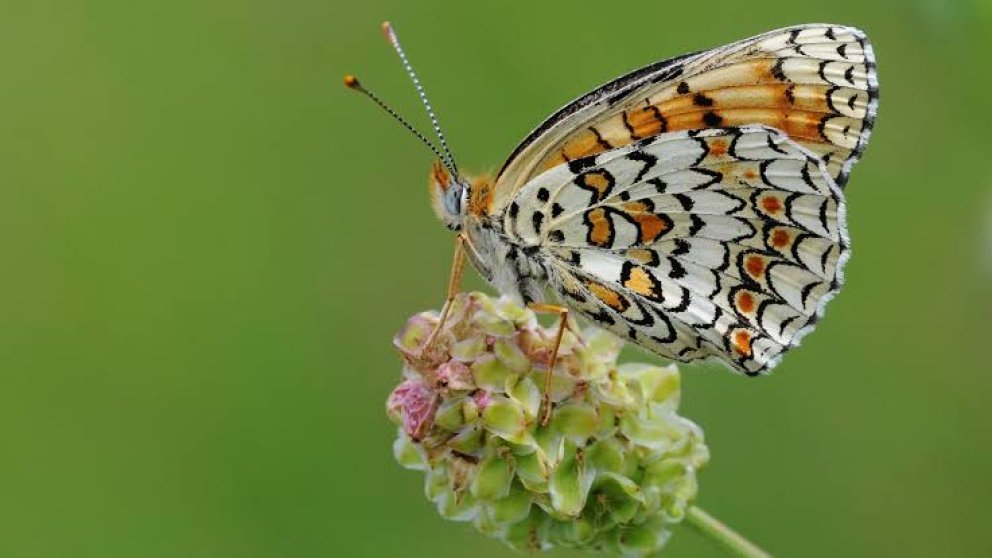
India has achieved a huge milestone in nature research. After 12 long years of hard work, scientists have finished the country's first full list of butterflies and moths. This massive project brings together scientific records from more than one hundred years into a single reference book.
The Zoological Survey of India, also known as ZSI, led this big effort. On Thursday, scientists announced that the final catalogue is ready. It lists a total of 13,703 species of Lepidoptera. Lepidoptera is the scientific group name for butterflies and moths. This list gives scientists a clear starting point to study nature, monitor environment changes, and protect wild animals in India.
A Huge Victory for Science in India
Before this project, information about Indian butterflies and moths was spread out in many old papers and books. It was hard for researchers to find clear facts. ZSI scientists Navneet Singh and Rahul Joshi led the effort to collect all the data into one place.
The project was published across 22 volumes. The final part was recently printed in the famous scientific journal called Zootaxa. This final volume added the last 1,689 species to the collection. It also solved many long-standing confusions about scientific names and insect families.
Because of this work, we now know that India is home to 8.25 percent of all known butterfly and moth species in the entire world. This proves once again that India is one of the top countries for animal and plant diversity.
Amazing Facts About the Insect Catalogue
The final counts in the report are very impressive. India now has registered records for 3,705 insect genera, 240 subfamilies, 102 families, and 31 superfamilies. These insects live everywhere in India, from the cold snowy Himalayas down to the green Western Ghats and deep tropical forests.
Moths make up a huge part of this list. For example, the study highlights a group called Geometroidea. These are night-flying moths that help flowers grow. There are 2,205 species of these moths in India, spread across 479 genera. This means India has 8.8 percent of all the known Geometridae moths on Earth.
Other moth families found in India include Uraniidae with 95 species, Epicopeiidae with nine species, and the rare Pseudobistonidae family with just one single species recorded.
Why Are Butterflies and Moths So Important?
You might wonder why counting insects is so important. Butterflies and moths are not just beautiful to look at. They play vital roles in keeping nature healthy and balanced.
There’s more to life than simply increasing its speed.
By Udaipur Freelancer
First, they are great pollinators. Just like bees, they carry pollen from one flower to another. This helps plants grow fruit, vegetables, and seeds. Second, they are an essential food source for many wild animals like birds, bats, frogs, and lizards. Without these insects, many larger animals would starve.
Third, these insects are very useful for farming and forestry. Some moth caterpillars eat crop leaves. By knowing exactly which species live where, farmers and scientists can manage crop pests safely without using harmful chemicals.
Tracking Climate Change and Nature
Insects are very sensitive to weather and environmental changes. When temperatures rise or forests disappear, butterflies and moths are often the first animals to move or die out. Having a clean database helps experts notice when natural spaces are in danger.
Extreme weather events across Asia, such as severe weather news like the Surat floods with 20 inches of rain, show how quickly natural habitats can face stress. Having accurate animal records allows scientists to measure how climate change changes living ecosystems over time.
Just as major international events like the Bangladesh T20 World Cup safety concerns grab front-page headlines globally, this scientific catalogue is making big waves in the world of nature conservation.
A Lasting Gift for the Future
The Director of the Zoological Survey of India, Dhriti Banerjee, said that this project gives insects a permanent place in science. She noted that the new catalogue gives every listed species an official legal identity and scientific recognition.
This means future generations of students, researchers, and government leaders can use this master list to build better laws for environmental protection. It ensures that India's rich natural beauty is remembered and protected for many years to come.















Recommended for you
Must-See Art Exhibitions Around the World This Year
The Revival of Classical Art in a Digital Age
Breaking Down the Elements of a Masterpiece Painting
The Revival of Classical Art in a Digital Age