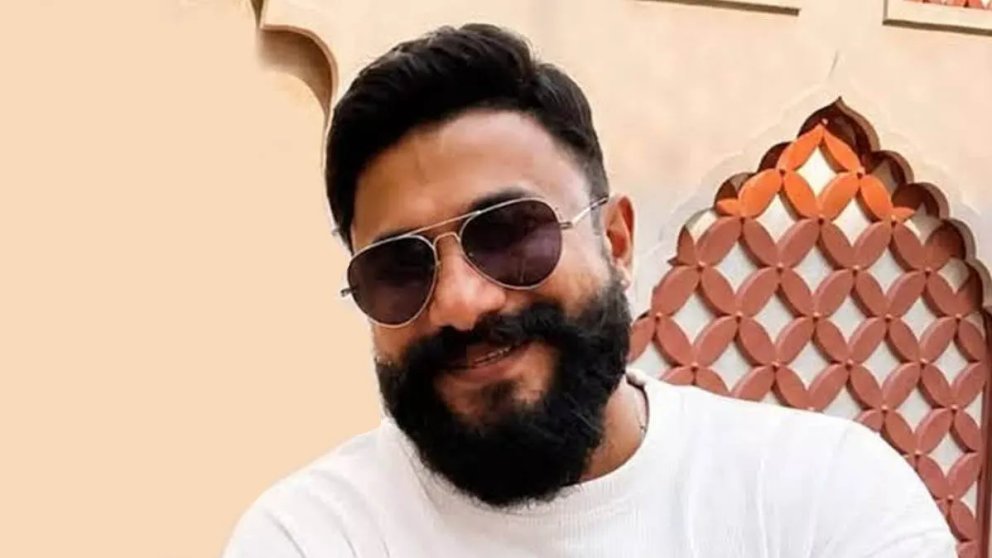
Recently, a deeply touching event took place in the Balaghat district of Madhya Pradesh. A well-known social worker and leader named Dipke visited several tribal families. These families have gone through the worst pain possible: losing their young children. The visit has brought much-needed focus to a serious crisis. In many tribal areas, children are dying because of things that can actually be prevented. Dipke's visit aims to put a bright light on these sad events and force the local government to act immediately.
The Sad News from Balaghat
Balaghat is a beautiful place with dense forests and many tribal communities. However, behind this natural beauty lies a painful reality. For the past few months, many tribal families have lost their children to diseases like malaria, severe malnutrition, and lack of clean drinking water. These children did not get help in time. When Dipke arrived in these small villages, the atmosphere was filled with grief. Parents sat outside their mud houses, holding pictures of their lost little ones.
During the visit, Dipke sat down with the grieving mothers and fathers. He listened to their stories. Many parents said that there are no working hospitals near their villages. When their children fell sick with high fevers, they had to carry them on their shoulders for miles to reach a road. By the time they reached a proper clinic, it was often too late. This lack of basic healthcare is the main reason why so many tribal children are losing their lives today.
Why Are Tribal Children Dying?
There are several reasons for this health crisis in Madhya Pradesh's tribal belt. The first and most critical reason is malnutrition. Tribal families often do not have enough food to eat, and the food they have does not give them enough energy or vitamins. Because of this, pregnant mothers are weak, and they give birth to weak babies. These babies do not have the strength to fight off common infections.
The second major issue is the quality of water. Many of these remote villages do not have taps or clean wells. They have to drink water from open streams and ponds. This dirty water causes stomach infections, which lead to severe dehydration. For a small, weak child, severe dehydration can be deadly within just a few days if medical help is not available.
The third problem is the lack of money. Most tribal parents work as daily wage laborers. They earn very little money and cannot afford expensive medicines or private vehicles to go to big city hospitals. When they cannot find work, their families starve. These financial struggles are common among poor workers across the country. In many states, workers have to fight hard just to get basic wages. For instance, the struggle for survival is real, which is why we often see news about a protest for contract workers' rights to demand fair pay and job security. Without proper wages, families cannot afford good food or healthcare for their kids.
Administrative Gaps and Lack of Care
Many people are asking why the local government has not fixed these issues. It seems there is a huge gap between the government's promises and what is actually happening on the ground. Millions of rupees are sent for tribal welfare, but very little of it reaches the people who need it most. Roads are broken, clinics are empty, and there are no doctors or nurses willing to stay in these remote areas.
There’s more to life than simply increasing its speed.
By Udaipur Freelancer
We often see that government offices fail to manage projects in rural and remote sectors. This slow administrative response is a national problem. Even simple processes often face huge delays. For example, in urban areas, we see how slowly programs move, such as how some cities struggled during the voter registration drive in Maharashtra where many locations lagged behind. If urban areas face such delays, one can only imagine how badly the remote tribal villages of Balaghat are ignored by the administration.
What Dipke Is Demanding for the Families
After talking to the families, Dipke expressed his deep anger at the system. He demanded that the state government take immediate action to help the surviving children. He asked for special medical camps to be set up in every tribal village of Balaghat. These camps should have pediatricians, clean water supplies, and free medicines.
Dipke also demanded that the families who lost their children must get financial compensation. While money cannot bring back a lost child, it can help these poor families survive during these tough times. He promised the villagers that he would take their voice to the highest authorities in the state and would not rest until justice was served.
Conclusion: A Call to Action
The deaths of tribal children in Balaghat are a dark spot on our society. No child should die because of preventable diseases or hunger in this modern age. Dipke’s visit has started a very important conversation. It is time for all of us to stand up and demand better facilities for these tribal communities. The government must act fast, build better hospitals, and ensure that every single child in Balaghat gets a chance to live a healthy and happy life.
Udaipur Freelancer delivers high-quality web, marketing, and design solutions. We focus on building impactful digital experiences that help your brand succeed in today's market.













Recommended for you
Must-See Art Exhibitions Around the World This Year
The Revival of Classical Art in a Digital Age
Breaking Down the Elements of a Masterpiece Painting
The Revival of Classical Art in a Digital Age