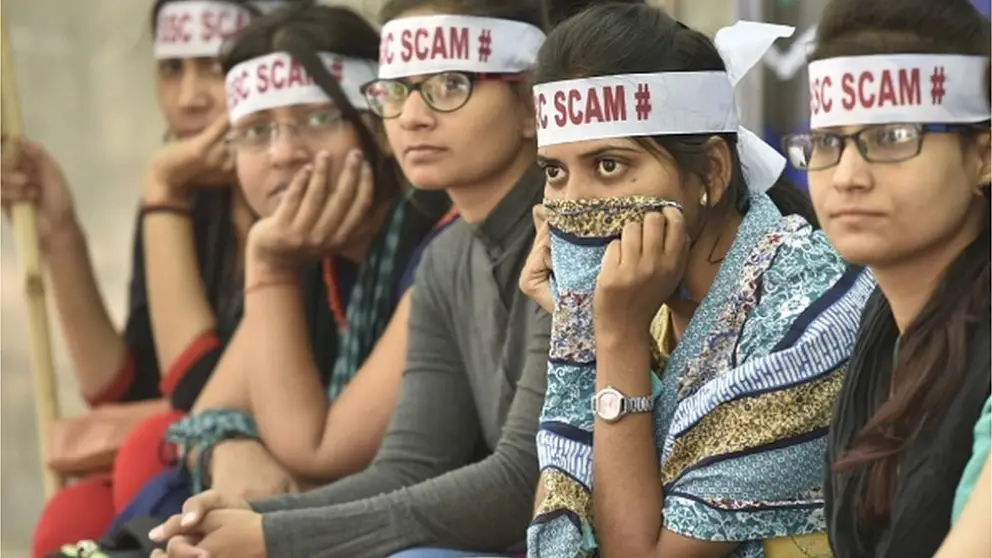
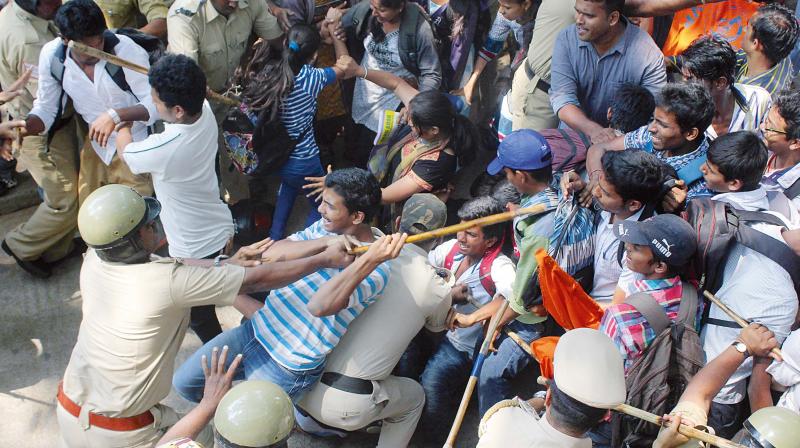
Imagine working incredibly hard for months, even years. You dream of getting into a top medical school. Then, just days after your big exam, you hear it is cancelled. This is exactly what happened to millions of students with the NEET-UG 2026 exam, causing widespread upset.
The news about the NEET-UG cancellation has left many students feeling lost and utterly disheartened. It truly highlights a deep-seated problem in our high-stakes competitive examination system that cries out for immediate and urgent attention.
A Voice for Students
Anand Kumar, the globally recognized founder of Super 30, quickly shared his profound thoughts on this incredibly difficult situation. He described the cancellation as "very unfortunate" because such widespread issues deeply impact and break students' morale and trust.
He deeply understands the immense academic and emotional pressure these young minds endure during their preparation. Despite the setback, he wisely urged all students to stay incredibly strong and resilient, reminding them that this cancellation offers another crucial chance to prove their capabilities.
A Glimmer of Hope
Amidst the profound disappointment, there was indeed a small but significant silver lining. Anand Kumar pointed out that the individuals linked to the alleged malpractice had been swiftly identified and caught by authorities.
This prompt action provides a measure of reassurance, showing that efforts are being made to hold those who attempt to undermine fairness accountable. It is a vital step towards restoring some public confidence.
The Urgent Call for Stronger Rules
Beyond merely apprehending the culprits, Anand Kumar firmly believes that far more comprehensive measures are desperately needed. He has strongly called upon the government to implement much tougher safeguards to prevent such widespread incidents and paper leaks from ever recurring in future examinations.
He also critically highlighted the role of coaching centres, suggesting they require significantly tighter regulation and oversight. This sector is often at the centre of controversies when exam irregularities come to light, making strict monitoring essential.
Such widespread exam issues not only demoralize students but also shake the very foundation of trust in our educational evaluation system. It is crucial to prevent these incidents from becoming a recurring pattern that damages countless futures.
Learning from China's Approach
When asked about the kind of stringent measures he envisioned, Anand Kumar specifically referenced China's robust approach to its national college entrance examination, known as the gaokao. He believes India could learn valuable lessons from Beijing's tough strategies.
China has made significant and decisive changes to ensure its exams remain fair and completely free from any form of cheating. This international example provides a very clear benchmark for what strong and effective governmental action truly looks like in safeguarding exam integrity.
China's "Double Reduction" Policy in Action
In 2021, under President Xi Jinping, China introduced its monumental "Double Reduction" policy. This sweeping initiative was designed to significantly reduce the academic pressure on students and strictly curb the commercialization of the private tutoring industry.
This policy outlawed for-profit tutoring in core school subjects and imposed strict limitations on coaching classes during weekends and national holidays. It marked a profound shift in how the private coaching sector operated, drastically altering its previous business model.
Advanced Security for Examinations
Beyond controlling coaching centres, China also dramatically strengthened its exam security protocols. They now employ advanced anti-cheating technologies and implement much stricter monitoring of all examination centres across the country.
The handling of confidential question papers, from the initial printing stage right through to their final administration in the exam hall, now follows enhanced and much more stringent security measures. Every single step of the examination process is under rigorous and continuous oversight.
There’s more to life than simply increasing its speed.
By Udaipur Freelancer
This meticulous and comprehensive approach helps to powerfully deter potential leaks and ensures that every student competes on a genuinely level playing field. Such robust measures offer valuable insights for improving the security of India's crucial tests, like the AIIMS Entrance Exam and other competitive assessments.
Using technologies to enhance exam integrity could pave the way for a fairer future, showcasing the potential for AI in Education to help secure crucial academic pathways.
Ensuring Fair Admissions and Support
China also directed its efforts towards preventing fraudulent admissions and eliminating the scandalous practice of "stolen" college seats. They significantly increased scrutiny during both the admissions and results processing phases to uphold absolute fairness and transparency.
Moreover, to actively support students from rural and economically weaker regions, China expanded admission quotas in its top universities. They also introduced reforms enabling students in certain provinces greater flexibility in choosing subjects truly aligned with their individual strengths, thereby making higher education more accessible for a broader demographic.
These comprehensive support systems ensure that talent from all backgrounds has a chance to shine, reinforcing the idea of equal opportunity in education. It is about levelling the playing field for every deserving student.
Protecting Our Students' Future
The recurring controversies surrounding India's competitive examinations inflict severe and lasting damage. They erode students' hard-earned faith in the very system they have dedicated years to preparing for, often sacrificing much along the way.
This erosion of trust can make it incredibly challenging for students to remain resilient and adapt on the fly to new challenges, impacting their mental well-being and future prospects. It truly affects their ability to cope with unexpected changes.
Our nation's future progress and innovation heavily rely on these bright and dedicated young minds. It is an absolute imperative that we ensure they are provided with a genuinely fair and secure chance to succeed, entirely free from the constant anxieties of leaks or widespread scams.
The Path Forward
The cancellation of the NEET-UG 2026 examination must serve as an urgent and undeniable wake-up call for our entire education system. It presents a critical opportunity for the government to step up decisively and implement long-term, systemic changes.
We urgently require strong, unwavering leadership and the courage to make tough, impactful decisions that will thoroughly restore public trust in these vital examinations. This proactive approach will empower students to focus solely on their studies, free from the crushing worry of unfair practices undermining their efforts.
Hope for a Fairer Future
As Anand Kumar wisely advised, students must continue to stay optimistic about their future. However, the critical responsibility now rests firmly with the government to establish an examination system that is unequivocally fair, transparent, and completely secure for every single aspiring student.
Let us earnestly hope that these unfortunate incidents ultimately catalyze positive and sweeping reforms, guaranteeing that every deserving student receives the equitable and honest opportunity they truly merit in their ambitious journey to become our future doctors and highly skilled professionals.















Recommended for you
Must-See Art Exhibitions Around the World This Year
The Revival of Classical Art in a Digital Age
Breaking Down the Elements of a Masterpiece Painting
The Revival of Classical Art in a Digital Age