As we move through 2026, the global culinary landscape has undergone a profound transformation, moving beyond mere farm-to-table concepts into a sophisticated era of total circularity. Dining out is no longer just an indulgence of the palate but a conscious participation in an ecosystem that honors the planet as much as the plate. The best zero-waste restaurants of this year have mastered the art of closed-loop hospitality, where every ingredient is utilized to its absolute potential and traditional trash cans are nowhere to be found. From urban rooftop aeroponic gardens that eliminate transport emissions to AI-driven kitchen systems that track every gram of prep waste, these establishments are proving that sustainability is the ultimate catalyst for culinary innovation. When you step into these spaces, you aren't just eating a meal. you are witnessing a revolution where luxury is defined by resourcefulness and respect for the natural world.
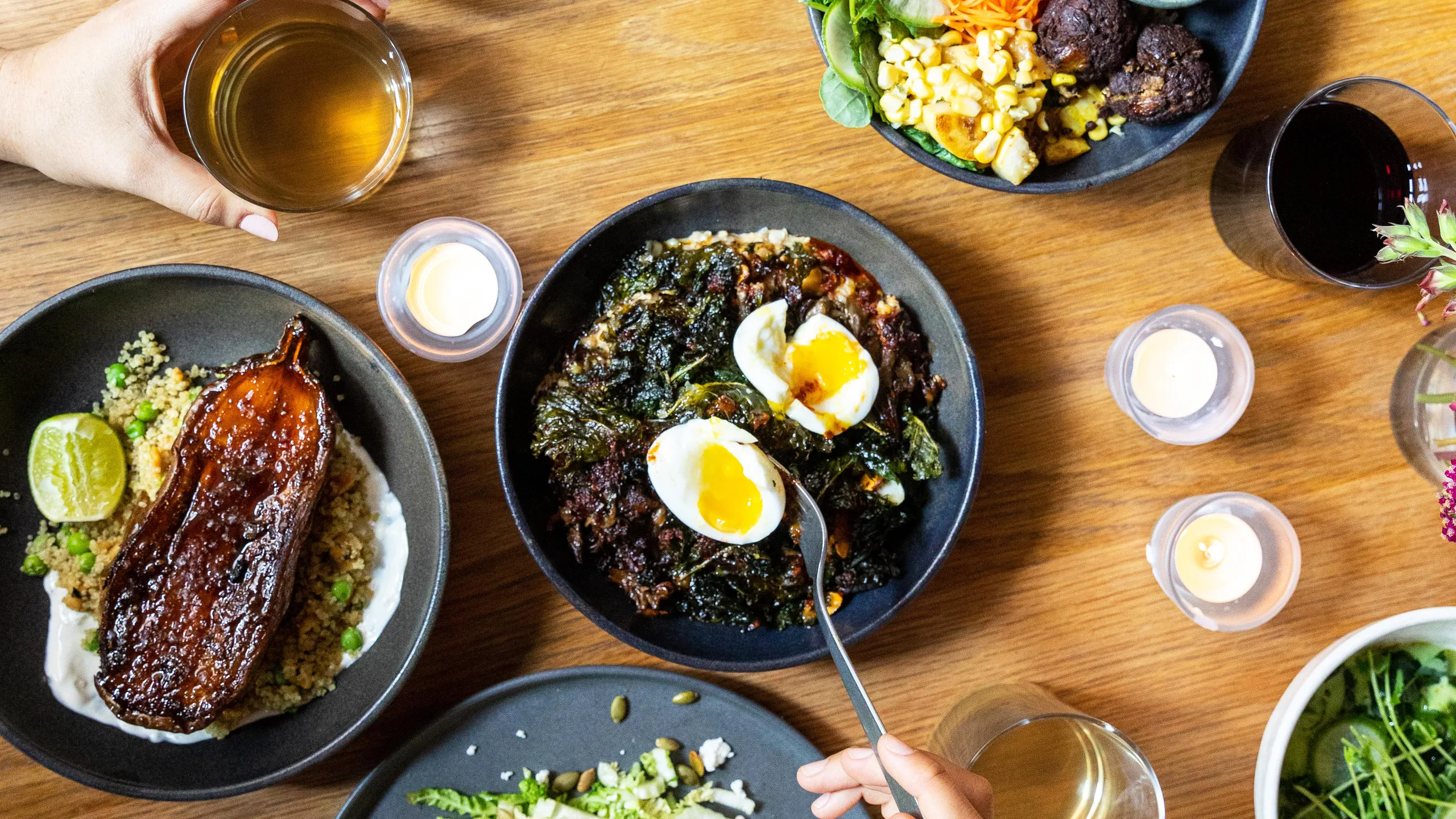
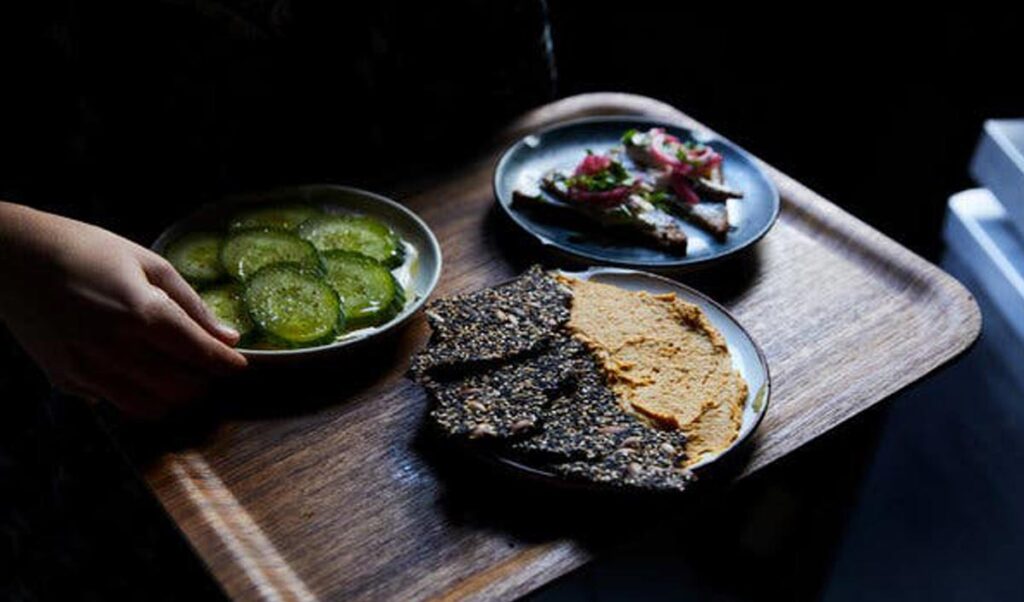
The magic of the 2026 zero-waste scene lies in the incredible depth of flavor unearthed through creative conservation. Chefs have embraced root-to-stem and nose-to-tail philosophies with renewed vigor, transforming what were once considered scraps into high-end delicacies. Imagine savory powders crafted from dehydrated vegetable peels, rich umami broths simmered from toasted fermentation starters, and artisanal cocktails sweetened with syrups made from overripe fruit trimmings. These techniques do more than just reduce landfill contributions. they create complex, layered flavor profiles that traditional kitchens often overlook. By treating every discarded leaf and bone as a valuable asset, these restaurants offer a unique sensory experience that tells a story of heritage, ingenuity, and a deep-seated commitment to the environment.
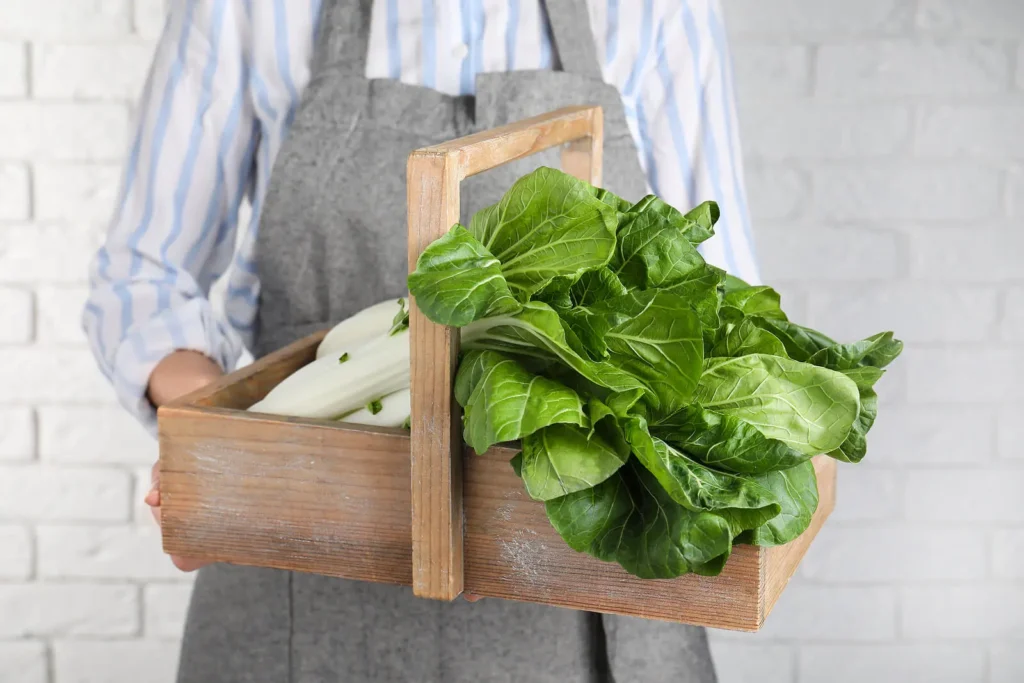
Beyond the kitchen doors, the best sustainable eateries of this year have reimagined the entire guest experience through the lens of minimalism and transparency. Gone are the days of single-use menus and plastic garnishes. instead, diners interact with QR-coded digital stories that track the carbon footprint of their specific dish or sit at tables crafted from recycled ocean glass and reclaimed timber. The atmosphere in these venues is one of vibrant connection, where the staff can tell you not just where your heirloom carrots were grown, but how the restaurant’s on-site composting system is fueling the next harvest. This level of honesty builds a bridge of trust between the consumer and the creator, making the act of dining feel like a meaningful contribution to a greener future.
There’s more to life than simply increasing its speed.
By Udaipur Freelancer
Choosing to dine at a zero-waste restaurant in 2026 is a powerful statement of intent that resonates far beyond the dining room. As these pioneering establishments gain Michelin stars and global acclaim, they are setting a new gold standard for the entire hospitality industry, proving that profitability and planetary health are not mutually exclusive. By supporting these venues, you are voting for a food system that prioritizes biodiversity, reduces plastic pollution, and combats climate change one delicious bite at a time. Whether it is a high-tech bistro in a bustling metropolis or a quiet seaside kitchen powered entirely by renewable energy, these restaurants offer a glimpse into a world where we can satisfy our hunger for excellence without compromising the needs of the generations to come.
















Recommended for you
Must-See Art Exhibitions Around the World This Year
The Revival of Classical Art in a Digital Age
Breaking Down the Elements of a Masterpiece Painting
The Revival of Classical Art in a Digital Age