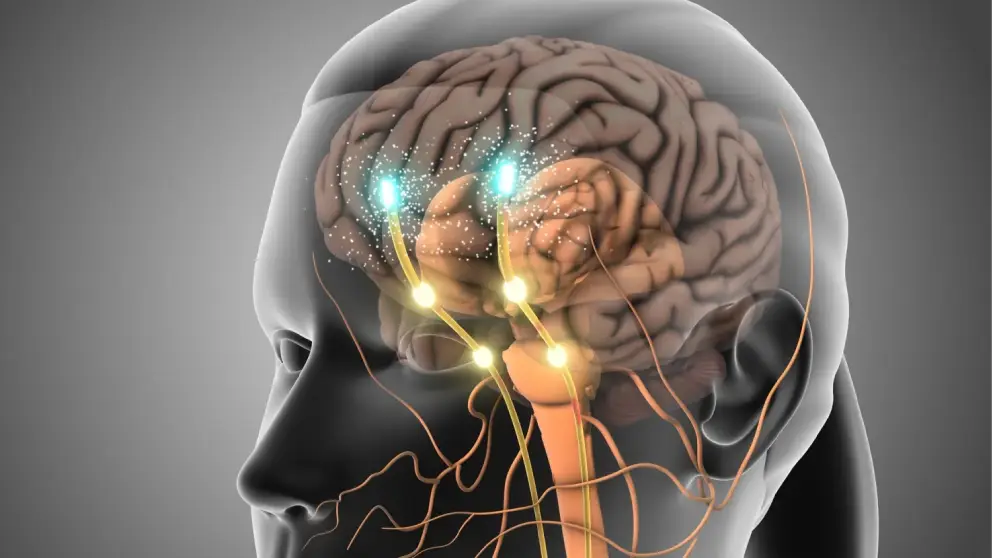
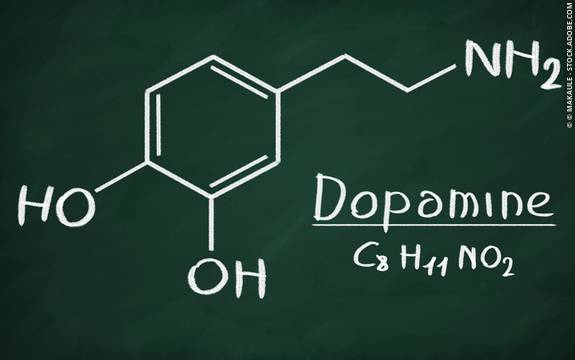
Ever heard of dopamine? Of course, you have. It’s the cool kid of brain chemicals, the one that gets all the credit. We call it the pleasure molecule or the happiness chemical. We think it’s the rush we get from eating a slice of chocolate cake, the buzz from a notification on our phone, or the joy of crossing a finish line.
But what if I told you that’s not really what dopamine does?
The common story we tell ourselves about dopamine is simple, neat, and… mostly wrong. It’s not a magic potion for happiness. Its real job is far more complex, a bit messier, and honestly, a lot more interesting. It’s the invisible engine that drives us, teaches us, and keeps us constantly searching for what’s next.
So, let's bust some myths and get to know the real dopamine.
Myth #1: Dopamine is the 'Pleasure Chemical'
This is the biggest misunderstanding of them all. We think dopamine is the feeling of pleasure. In reality, it’s more about the anticipation of pleasure. It’s the wanting, not the having.
Think about it this way. Have you ever been more excited about planning a vacation than the vacation itself? Or felt a bigger thrill adding something to your online shopping cart than when the package actually arrives? That feeling of eager anticipation? That’s dopamine at work.
A great example comes from people who take drugs like Adderall for ADHD. These drugs work by increasing dopamine in the brain. But they don’t typically make people feel euphoric or blissfully happy. Instead, they report feeling focused, driven, and in the zone. They have the motivation to get things done.
If dopamine was purely about pleasure, these drugs would just make you feel good. Instead, they make you do good. This is our first major clue. dopamine isn't about feeling good, it's about getting you to move.
The Brain Without a Go Button
To really understand what dopamine does, it helps to see what happens when it’s gone. In the early 20th century, a strange illness called encephalitis lethargica left some survivors in a bizarre state. They were conscious and aware, but they were completely motionless, like living statues. They wouldn't eat, speak, or move on their own.
They weren't paralyzed. Their muscles worked fine. They just had no drive to do anything.
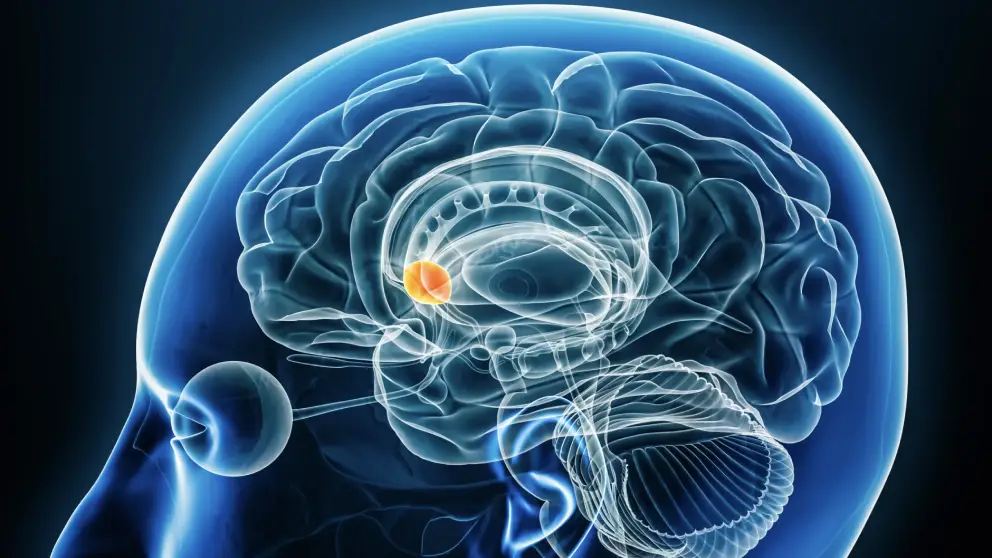
It was later discovered that the illness had destroyed the dopamine-producing cells in their brains. Their internal go button was gone. When a doctor named Oliver Sacks gave these patients L-DOPA, a drug that the brain converts into dopamine, something incredible happened. They woke up. They started talking, moving, and engaging with the world again.
This tells us something profound. Dopamine isn’t the reward at the end of the race. it's the chemical that screams, RUN!
Your Brain's Personal Coach: Do More of That!
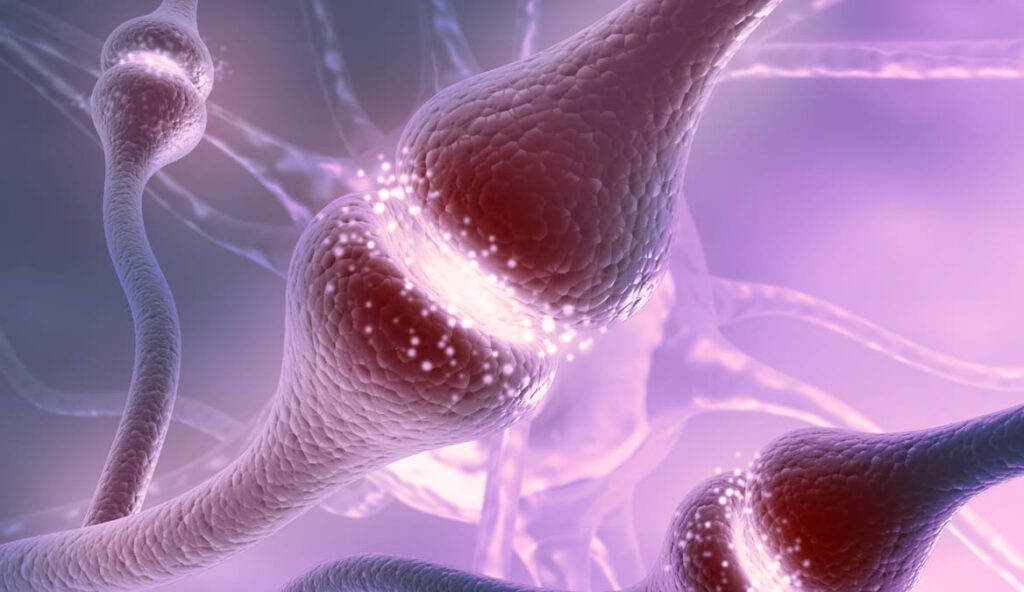
So, if dopamine is about motivation, how does it work? It acts like a little coach in your head, constantly giving you feedback. Its main job is to reinforce behaviors that lead to a good outcome.
Whenever you do something and it works out well, your brain releases a little squirt of dopamine. That dopamine hit doesn't just feel good; it sends a powerful message to your brain circuits: “Hey! That thing you just did? It worked. Remember it. Do more of that.”
This is how we learn almost everything.
There’s more to life than simply increasing its speed.
By Udaipur Freelancer
Think of a dancer learning a complex routine. At first, their movements are clumsy. But when they nail a specific sequence, the dopamine release helps to strengthen the neural pathways that created that successful movement. Over time, this process builds what we call muscle memory. It's not just muscles remembering. it's the brain, guided by dopamine, locking in a winning strategy.
This applies to everything from learning to ride a bike to figuring out the perfect way to make your morning coffee. Dopamine is the brain's save button for success.
The Real Secret: Dopamine Loves a Surprise
Here’s where it gets really fascinating. Dopamine isn’t just about success. it’s about unexpected success. Our brains are constantly making predictions about the world. Dopamine is the chemical that tracks how accurate those predictions are.
- Outcome is better than expected? You get a big spike of dopamine. (Finding a $20 bill in an old coat).
- Outcome is exactly as expected? You get a small, baseline level of dopamine. (Your paycheck arrives on time).
- Outcome is worse than expected? Your dopamine levels drop. (Your favorite coffee shop is closed).
This is why the new and novel are so exciting, and why routine can feel so boring. The thrill is in the uncertainty the maybe.
Scientists saw this in a famous experiment with pigeons. They trained pigeons to peck a button to get a food pellet. When the food came out every single time, the pigeons got bored and pecked just enough to get fed. But when the food came out randomly and unpredictably? The pigeons went nuts. They pecked obsessively, trying to figure out the pattern.
Sound familiar? This is the exact mechanism that makes social media, video games, and gambling so addictive. Why do we scroll endlessly through Instagram or TikTok? We’re not looking for a specific post. we’re chasing the chance of finding a great one. We are the pigeons, pecking at the screen, hoping for an unpredictable reward.
Dopamine doesn't want you to just get the reward. It wants you to 'figure it out.'
Living With Your Inner Explorer
So, what does this all mean for us?
It means that we are fundamentally wired to be restless. We are not designed for a state of constant, blissful satisfaction. We are designed to explore, to strive, to learn, and to seek out the next challenge. That feeling of always wanting something more isn't a personal flaw; it's a biological feature, courtesy of dopamine.
It’s a brilliant system for survival. The animal that is content with what it has might starve, while the one that is constantly looking for the next meal is more likely to thrive.
Understanding the true nature of dopamine can be freeing. It explains why we get bored, why we chase new hobbies, and why we’re never quite satisfied. Our brains are not seeking happiness. they are seeking progress and surprise.
So the next time you feel that restless urge to try something new, don't fight it. That’s just your dopamine system doing its job, pushing you to get off the couch and figure out what wonderful, unexpected thing the world has to offer next.
















Recommended for you
Must-See Art Exhibitions Around the World This Year
The Revival of Classical Art in a Digital Age
Breaking Down the Elements of a Masterpiece Painting
The Revival of Classical Art in a Digital Age