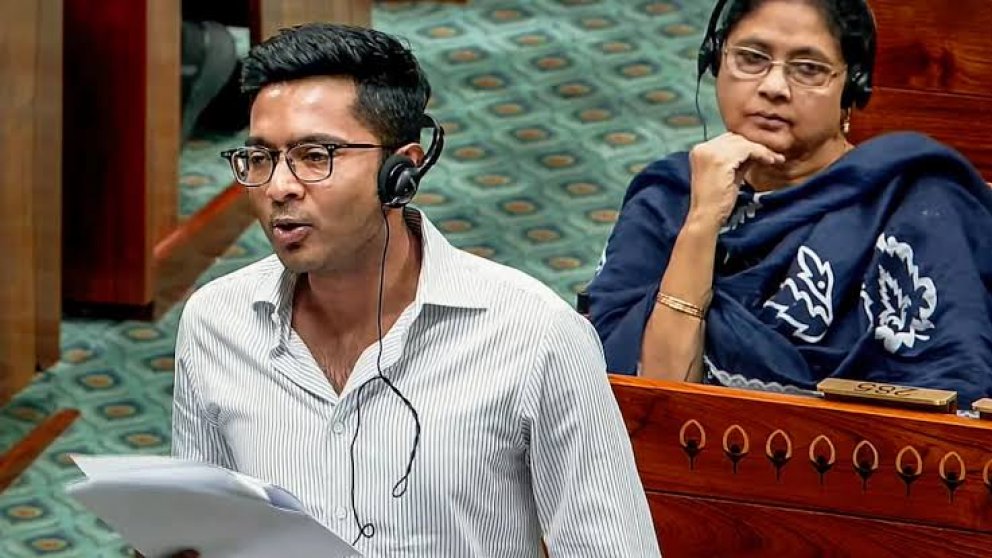
The Calcutta High Court recently passed a major legal order concerning Trinamool Congress leader Abhishek Banerjee. The court stated that custodial interrogation of Abhishek Banerjee is not required in cases registered against him after May 4. This ruling provides significant legal relief to the senior politician in West Bengal.
Understanding the High Court Ruling
The High Court carefully examined the petition filed regarding the ongoing investigation. Investigating agencies had requested permission to question Abhishek Banerjee in custody for any new cases registered after May 4. However, the court ruled that taking him into custody for questioning is not necessary.
The court pointed out that while agencies can still question the leader, they do not need to keep him in jail or police custody to carry out their investigation. This distinction between regular questioning and custodial questioning is very important in the Indian legal system.
What Is Custodial Interrogation?
Many people wonder what custodial interrogation actually means. In simple terms, it refers to questioning a person while they are under police arrest or in official custody. Investigating agencies usually request this when they fear that a person might tamper with evidence, influence witnesses, or avoid answering questions while free.
By ruling against custodial interrogation, the High Court has allowed Abhishek Banerjee to remain free while cooperating with officers. The decision highlights that physical detention is not always mandatory for collecting facts during an inquiry.
The May 4 Cut-Off Date
The May 4 cut-off date is central to this judgment. Several legal proceedings and directives were already active before this date. The court evaluated the timeline and decided that for any new cases filed after May 4, detaining the politician is not essential for agencies to conduct a fair investigation.
Political legal battles frequently capture national attention, especially when they involve key leaders and public accountability. Across different states, major developments often lead to legal debates, much like the public discussions seen during the UP RLD chief quits over corruption and student protests incident.
There’s more to life than simply increasing its speed.
By Udaipur Freelancer
How the Investigation Will Continue
It is important to understand that this court order does not stop the investigation completely. The investigating agencies still hold the right to send notices to Abhishek Banerjee. They can ask him to appear for questioning at specified times or request written documents from him.
The main protection granted by the court is that agencies cannot arrest him simply to interrogate him for cases filed after May 4. Courts always aim to strike a balance between individual freedom and the duties of police agencies, similar to procedures followed in other major cases like the tragic death in South Delhi investigation.
Reactions and Future Steps
The High Court decision has sparked widespread discussion among legal experts and political parties. Supporters of the TMC leader welcomed the court's direction, stating that law enforcement should not use unnecessary arrests as a routine measure. They expressed confidence that the truth will come out through standard questioning.
On the other hand, opposition parties believe that investigative agencies should have full freedom to question leaders in whatever manner they deem necessary. Despite these differing views, the legal path forward remains clear under the court's explicit guidelines.
Conclusion
The Calcutta High Court's ruling brings clarity to the legal situation surrounding Abhishek Banerjee. By ruling that custodial interrogation is not required for cases registered after May 4, the court has set clear boundaries for the ongoing investigations. While agencies can continue their work, they must do so without placing the leader in custody, ensuring that proper legal standards are maintained.














Recommended for you
Must-See Art Exhibitions Around the World This Year
The Revival of Classical Art in a Digital Age
Breaking Down the Elements of a Masterpiece Painting
The Revival of Classical Art in a Digital Age