Politics in Uttar Pradesh has taken an interesting turn once again. Recently, the Rashtriya Lok Dal (RLD) chief in Uttar Pradesh decided to resign from his post. This step was taken after raised concerns about party silence over student protests and rising corruption issues. When a party leader leaves a top position, it usually sends shockwaves through political circles and causes people to question internal party dynamics.
Why Did the U.P. RLD Chief Step Down?
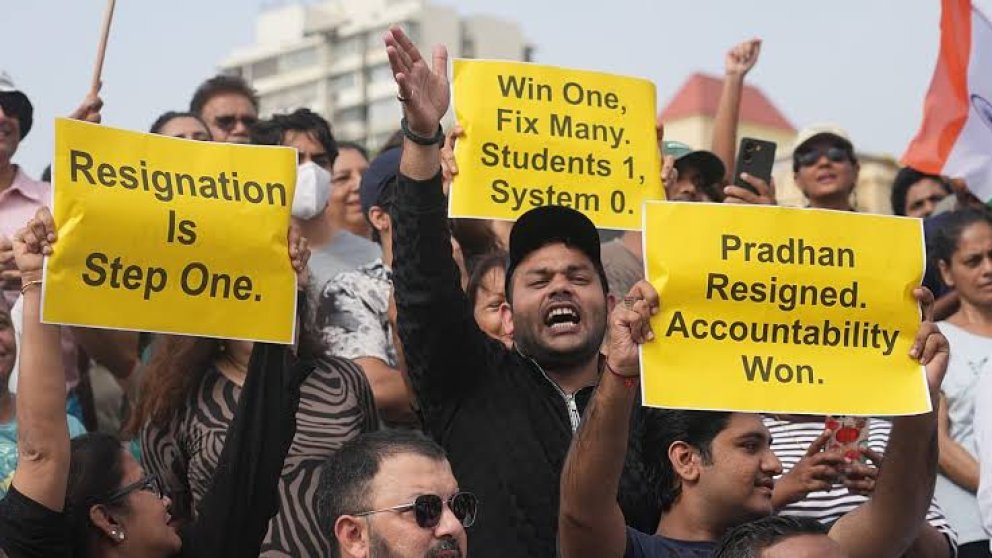
The main reason behind this resignation was disappointment over how certain key public issues were handled. The state chief expressed deep sadness about remaining silent during student demonstrations. Students across various cities have been raising their voices about exams, jobs, and overall educational quality. However, political leaders often stay quiet to avoid conflict with their political alliances or higher management.
By choosing to speak out after stepping down, the former chief made it clear that keeping quiet on student matters was a mistake. Youth issues form the backbone of state development, and remaining passive can harm a political party's trust with young voters.
The Question of Unaddressed Corruption
Along with the topic of student protests, the leader also highlighted widespread corruption. Fighting corruption is often a key promise made by many political campaigns, yet citizens continue to deal with routine bribery and administrative misconduct. When political leaders highlight corrupt practices within public administration or local governance, it shows that people on the inside are also feeling frustrated.
Political instability and internal rivalries are not limited to one region. Similar disputes and allegations of political misconduct occur across India, such as recent political controversies reported in the TMC leader wife arrested in Falta attack plot case. These events remind us that governance problems can surface in many different political environments.
Why Student Voices Matter in Modern Politics
Students and young adults make up a huge part of the Indian electorate. When students take to the streets to protest against unfair policies, paper leaks, or delayed government hiring exams, they expect political parties to support them. Turning a blind eye to these concerns often alienates young citizens who are looking for honest leadership.
There’s more to life than simply increasing its speed.
By Udaipur Freelancer
Ensuring that citizens' democratic rights are respected is vital for any functioning democracy. We see similar discussions happening elsewhere regarding voting rights and state administration, such as when public policies lead to major administrative revisions like how SIR excludes 1.8 lakh voters in Meghalaya draft electoral roll. When local populations feel ignored by systems, public trust drops rapidly.
What This Means for the RLD and Local Alliances
The resignation of a state unit chief creates immediate challenges for party leadership. The RLD has historically drawn significant support from rural communities, farmers, and young people in Western Uttar Pradesh. If internal leaders begin publicly calling out party silence on key issues, it can weaken the party's image ahead of upcoming local or national elections.
Moving forward, the party leadership will need to address these internal complaints directly. Ignoring public outcry on corruption or youth unemployment can push voters toward alternative parties that promise greater transparency and active participation.
Final Thoughts
The decision of the U.P. RLD chief to resign serves as a strong reminder that leaders must stay connected to the concerns of ordinary people. Remaining quiet on student struggles and failing to address corrupt practices can damage political credibility. As politics in Uttar Pradesh continues to evolve, public focus will remain on how political parties respond to youth protests, internal disagreements, and ongoing demands for corruption-free governance.










Recommended for you
Must-See Art Exhibitions Around the World This Year
The Revival of Classical Art in a Digital Age
Breaking Down the Elements of a Masterpiece Painting
The Revival of Classical Art in a Digital Age