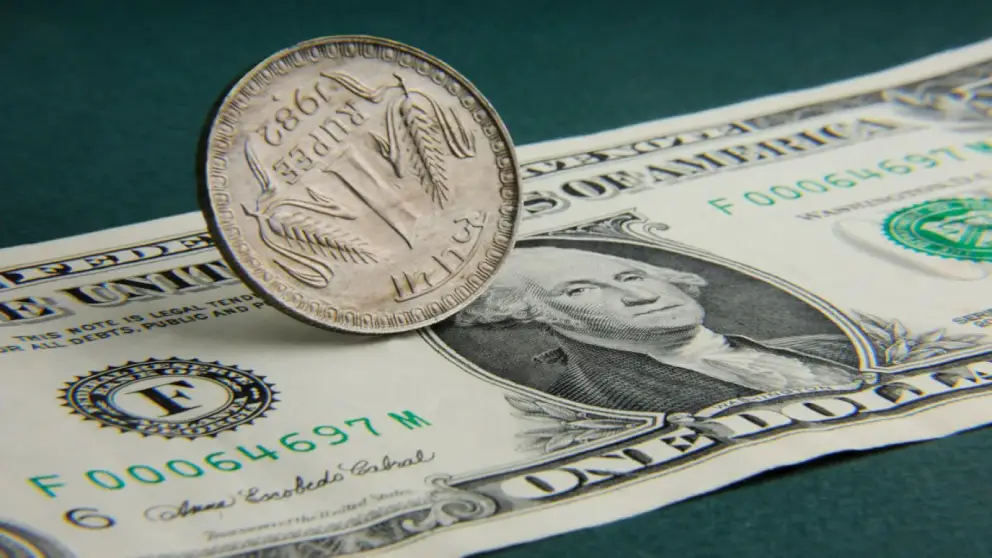
Have you checked the exchange rate lately? If you have, you might have noticed something a little worrying. The Indian Rupee has been having a tough time, and today it hit a brand new all-time low against the US dollar, tumbling to 91.58.
It’s a big drop and a number that makes everyone from students studying abroad to big businesses sit up and take notice. But what’s causing this slide? While there are a few reasons, the headline-grabber is a strange one. growing political tension over Greenland.
Yes, you read that right. Greenland. Let's break down what’s going on in simple terms.
What's Happening with the Rupee?
First, let's get the numbers out of the way. The rupee fell by about 0.7% in a single day, which is a significant move in the currency world. It opened weaker and just kept sliding. This isn't just a one-day problem. the rupee has been one of the weakest currencies in Asia this year, losing nearly 1.9% of its value this month alone.
When the rupee weakens, it simply means you need to pay more rupees to buy one US dollar. This has a real impact on our daily lives, but we'll get to that in a bit.
The Surprising Reason: Trouble in Greenland?
So, how does a giant, icy island near the North Pole affect the value of the Indian Rupee? It sounds bizarre, but in our connected world, it makes a strange kind of sense.
Here’s the story. US President Donald Trump recently showed interest in buying Greenland, which is an autonomous territory of Denmark. The Danish leaders firmly rejected the idea, calling it absurd. In response, President Trump postponed a planned meeting with Denmark’s Prime Minister.
This political spat has made global investors nervous. When big global leaders have disagreements, it creates uncertainty. And what do investors do when they're uncertain? They play it safe. They sell off assets from what they see as riskier markets (like emerging economies, including India) and buy safe-haven assets, like the US dollar.
This creates a chain reaction:
There’s more to life than simply increasing its speed.
By Udaipur Freelancer
- Foreign investors sell their Indian stocks and bonds.
- To do this, they have to sell rupees and buy US dollars to take their money home.
- This sudden rush to sell rupees and buy dollars increases the dollar's demand, making it stronger and the rupee weaker.
So, a political tiff over Greenland is sending ripples all the way to our economy.
It's Not Just About Greenland, Though
While the Greenland issue is the immediate trigger, the rupee’s weakness is also because of some problems closer to home. It’s like having a weak foundation – even a small shake can cause a lot of damage.
Here are the other key factors at play:
- Foreign Investors are Leaving: For months now, foreign investors have been pulling money out of the Indian market. They have sold shares worth thousands of crores, and this continuous outflow puts constant pressure on the rupee.
- Our Own Economic Worries: India is facing its own set of economic challenges. We have a current account deficit, which is a fancy way of saying we buy more goods and services from other countries than we sell to them. This means we are spending more foreign currency (mostly dollars) than we are earning.
- Delayed US-India Trade Deal: There have also been delays in finalizing a trade deal between India and the US, which adds another layer of uncertainty for businesses and investors.
What Does This Mean For You?
Okay, enough with the economics. How does a weak rupee affect your wallet?
- Studying Abroad Gets Pricier: If you or your family members are studying in the US or another foreign country, the cost of tuition and living expenses just went up. You'll need more rupees to pay the same amount in dollars.
- Foreign Travel Becomes Expensive: Planning a trip overseas? Your holiday budget will need to be bigger. Everything from flights to hotels and shopping will cost more in rupee terms.
- Imported Goods Cost More: Many things we use daily, from our smartphones to the fuel in our cars (crude oil is bought in dollars), are imported. A weaker rupee makes these imports more expensive, which can lead to higher petrol prices and an increase in the price of many other goods.
There is a small silver lining, though. If you work in the IT or export industry and earn in dollars, your income in rupees will increase.
Final Thoughts
The journey for the Indian Rupee is looking a bit bumpy right now. It's being hit by a perfect storm of global uncertainty and domestic challenges. While financial experts are keeping a close watch, and our central bank (the RBI) might step in to control the slide, it's a reminder of how connected our world really is.
For now, all we can do is watch, wait, and hope for calmer seas ahead both in our economy and in the icy waters around Greenland.

















Recommended for you
Must-See Art Exhibitions Around the World This Year
The Revival of Classical Art in a Digital Age
Breaking Down the Elements of a Masterpiece Painting
The Revival of Classical Art in a Digital Age