Have you ever tried to assemble a piece of furniture with instructions that are confusing, have too many steps, and use a dozen different types of screws when only three are needed? It’s frustrating, right?
Well, that's a bit like India's current customs duty system. It’s a complex web of taxes, rules, and rates that can leave even the experts scratching their heads. As we look ahead to Budget 2026, there's a growing call from experts to do one simple thing. clean up the clutter. A leading think tank, the Global Trade Research Initiative (GTRI), is urging the government to simplify our customs duty structure, and it’s a change that could benefit everyone.
What’s the Big Deal with Customs Duty Anyway?
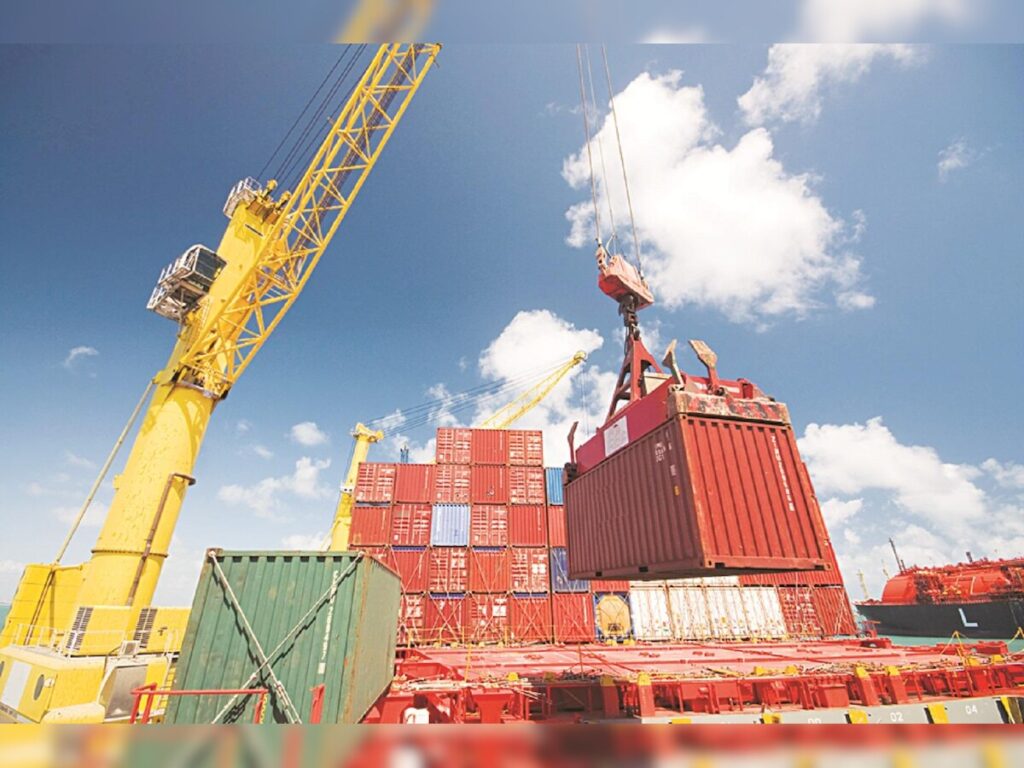
In simple terms, customs duty is a tax the government charges on goods imported into India. The problem is, it's not just one single tax. It’s more like a restaurant bill with lots of extra charges.
You have the Basic Customs Duty (BCD), which is the main tax. But then, you have other layers added on top, like the Agriculture Infrastructure and Development Cess (AIDC) and the Social Welfare Surcharge. While the government has tried to reduce the number of BCD rates, these extra charges create hundreds of different effective tax rates in practice.
Imagine buying a product where the price tag says ₹100, but by the time you get to the counter, they’ve added a shelf-stocking fee, a store maintenance charge, and a bagging cess. Your final bill is much higher and way more confusing. That’s what importers and businesses face every day.
Why a Complicated System is Bad for Business (and for You!)
This complexity isn’t just an administrative headache; it has real-world consequences that affect our economy and even the prices you pay.
- It Slows Everything Down: A confusing system leads to delays. When goods are stuck at ports because of complicated paperwork and tax calculations, it creates a bottleneck in the supply chain. This means a factory might have to wait for its raw materials, or the new phone you ordered might take longer to reach the store.
- It Makes "Made in India" More Expensive: Many Indian manufacturers rely on imported components to build their final products. When the cost of importing these parts is high and unpredictable due to complex duties, the final product becomes more expensive. This hurts their ability to compete and can mean higher prices for Indian consumers.
- It Weakens Our Exports: If our products are more expensive to make, they become more difficult to sell in the global market. Other countries with simpler systems can produce goods more cheaply, putting our exporters at a disadvantage.
- It Scares Away Investment: Global companies looking to set up factories in India want predictability and simplicity. A complex and messy customs system is a major red flag that can deter foreign investment, which is crucial for creating jobs and growing our economy.
The Simple Solution: Fewer, Clearer Slabs
So, what’s the fix? According to GTRI, the solution is surprisingly straightforward. Instead of just tweaking one part of the tax, we need to overhaul the entire structure.
There’s more to life than simply increasing its speed.
By Udaipur Freelancer
The proposal is to consolidate all the different duties BCD, cesses, and surcharges into a small number of all-inclusive tariff slabs. For instance, we could have just a few clear rates, like 5%, 10%, and 15%. When an importer looks at a product, they would know exactly what the final tax rate is, with no hidden surprises.
Along with this, GTRI suggests other common-sense changes:
- Use simple language in customs notifications so that everyone can understand them.
- Create an online database of rules and past decisions so businesses can easily find information.
- Review all customs rules from scratch to eliminate outdated and unnecessary procedures.
Is This Really About the Money? Not Anymore
Here’s the most interesting part customs duties are no longer a major source of revenue for the government. They make up only 4% of the total tax collection.
This means the primary role of customs duty has shifted from earning money to guiding our trade policy encouraging domestic manufacturing and managing imports. But a tool that is complicated and difficult to use is not very effective. By simplifying the system, we can make it a much better tool to support national goals like 'Make in India' and boosting exports.
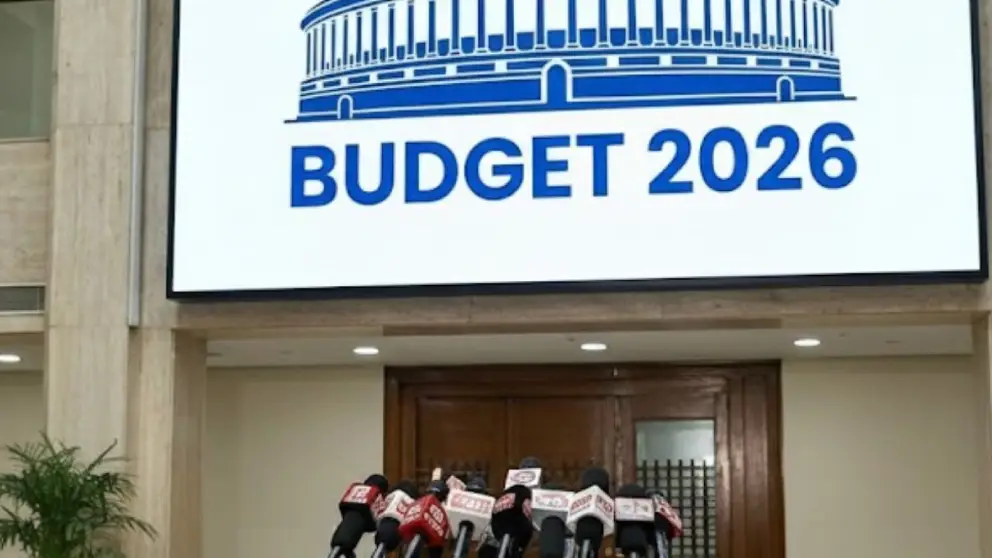
As we head towards Budget 2026, this is more than just a tax reform. It’s an opportunity to make India a more attractive place to do business, strengthen our manufacturing sector, and build a more resilient economy. Let’s hope the folks making the budget are listening. A little bit of simplification can go a very long way.















Recommended for you
Must-See Art Exhibitions Around the World This Year
The Revival of Classical Art in a Digital Age
Breaking Down the Elements of a Masterpiece Painting
The Revival of Classical Art in a Digital Age