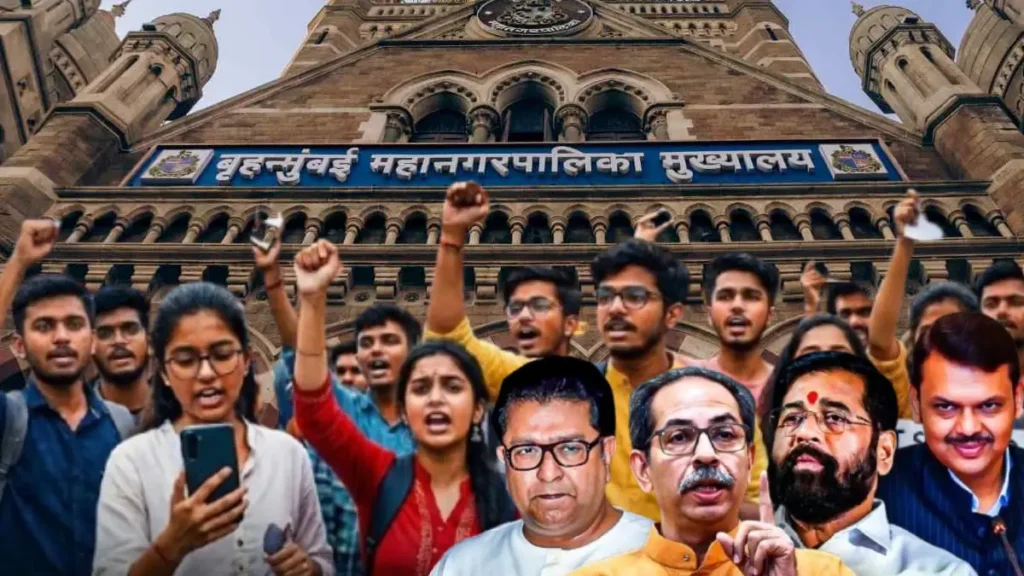
For nearly three decades, the political heartbeat of Mumbai has been dictated by a single address Matoshree. The Brihanmumbai Municipal Corporation (BMC), often called the richest civic body in Asia, has been the impregnable fortress of the Thackeray family for 28 years.
But as the dust settles on the latest BMC election results, the saffron flag still flies high over Mumbai but the hands holding it have changed. In a historic seismic shift, the BJP-led Mahayuti alliance has seized the crown, effectively ending the Thackeray hegemony in India’s financial capital.
Here is a deep dive into the numbers, the narratives, and what this verdict means for the future of Mumbai.
The Numbers Game: A Saffron Tsunami
The results are nothing short of a landslide for the Mahayuti alliance. The mandate is clear: Mumbai has voted for change.
- The BJP Juggernaut: The Bharatiya Janata Party (BJP) emerged as the single largest party, securing 89 seats. This is a significant jump from their 2017 tally of 82, proving that their grassroots connect has only deepened.
- Shinde’s Vindication: Chief Minister Eknath Shinde’s faction of the Shiv Sena won 29 seats. Combined with the BJP, the alliance comfortably crossed the critical halfway mark of 114 seats out of the 227 wards.
- Uddhav’s Decline: On the other side, the Shiv Sena (Uddhav Balasaheb Thackeray) saw a stark decline. From winning 84 seats in 2017, they slid down to just 65 seats.
The Architect of Victory: Devendra Fadnavis
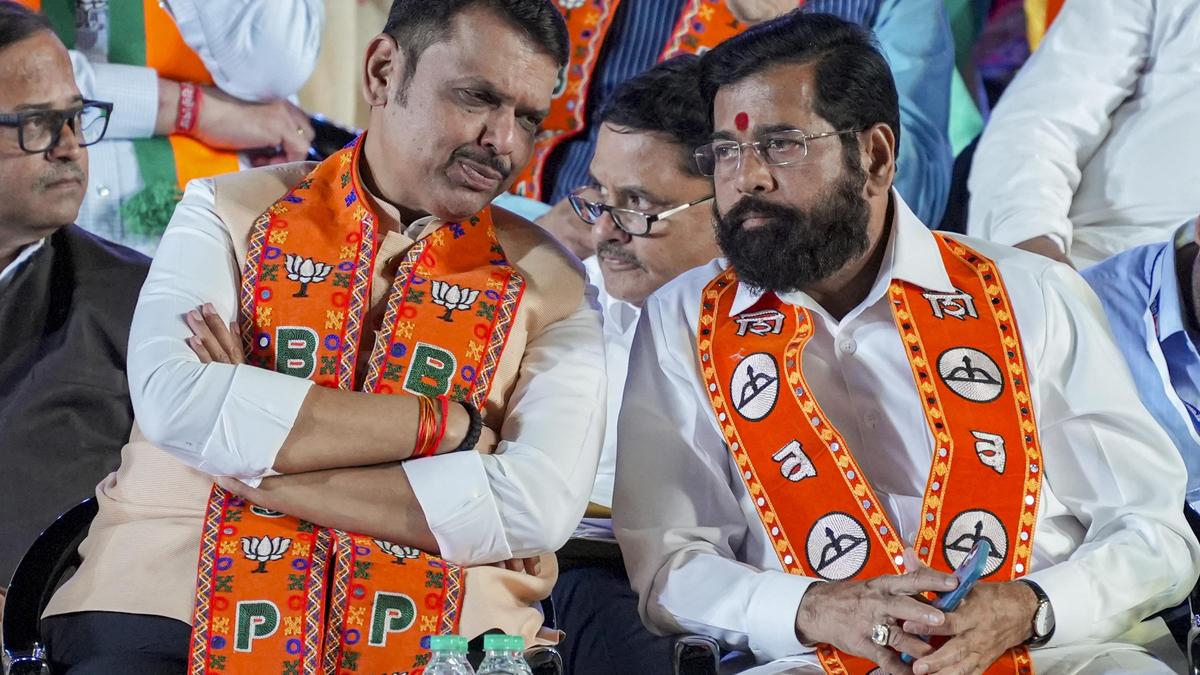
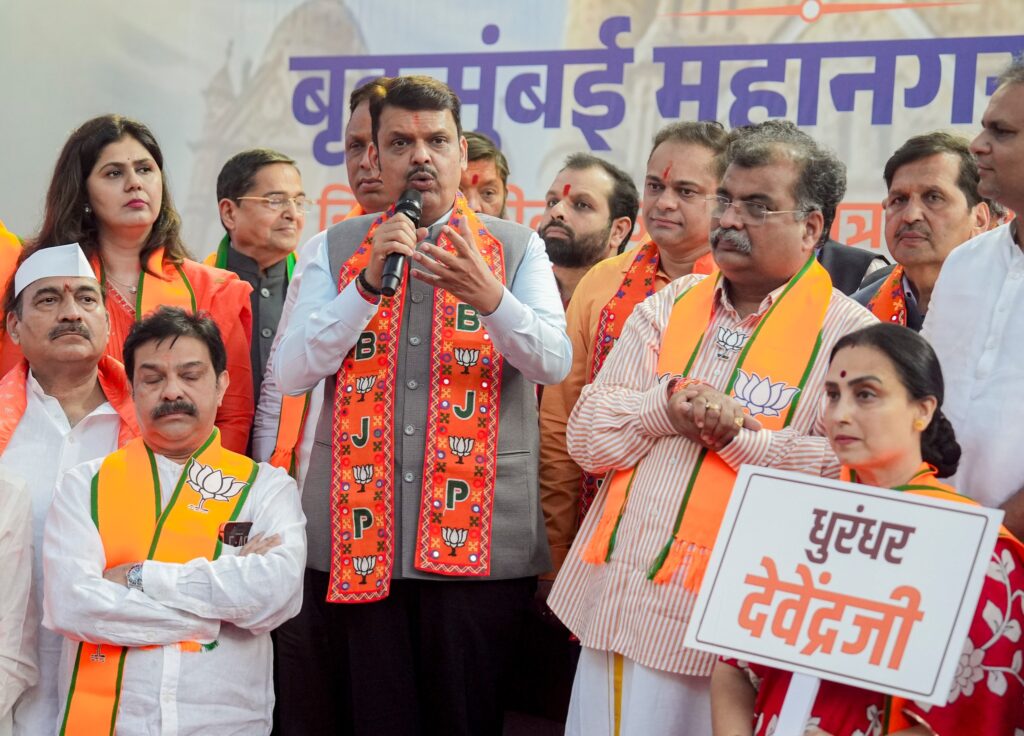
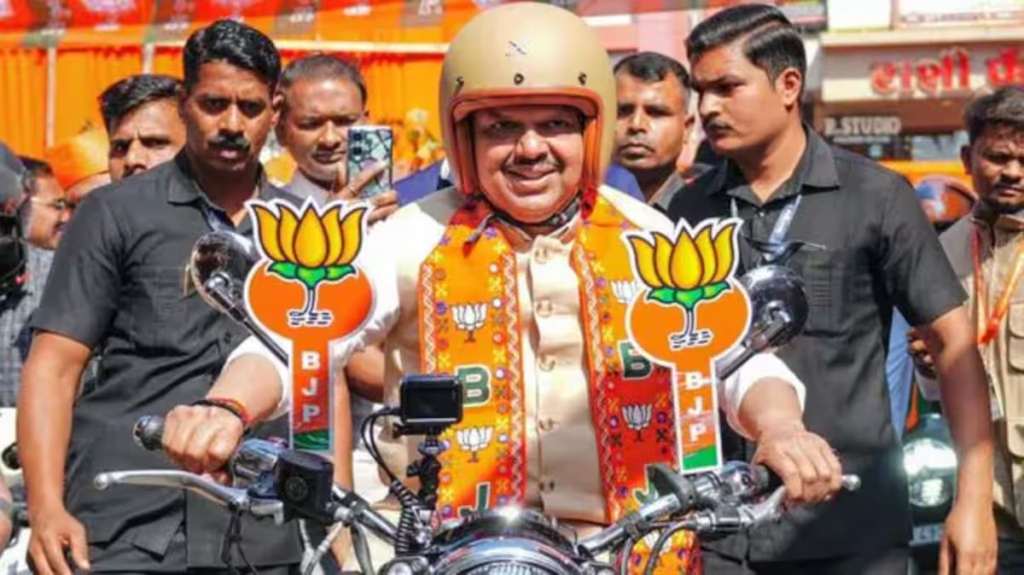
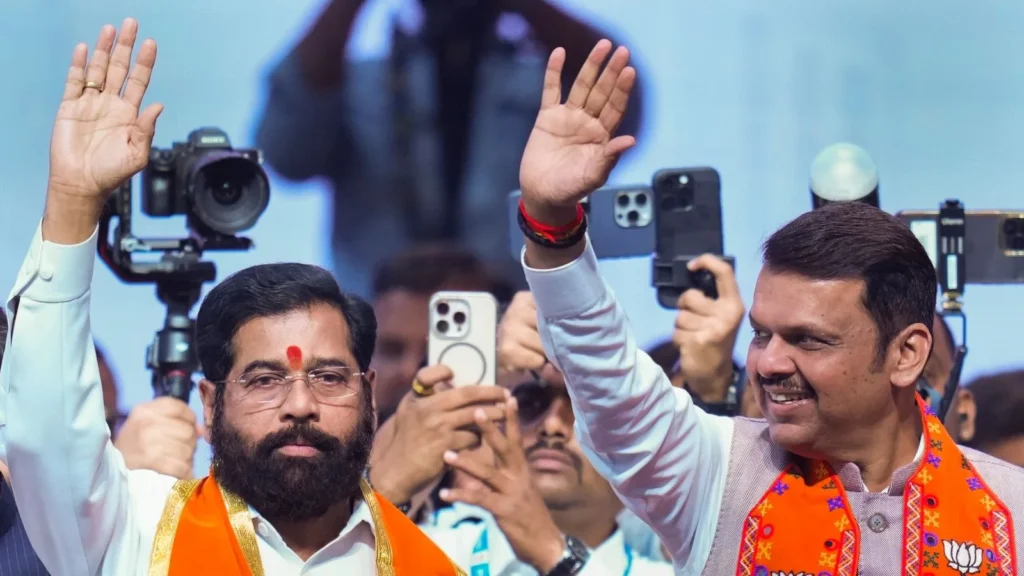
If there is one 'Man of the Moment' in this election, it is undoubtedly Deputy CM Devendra Fadnavis. Under his strategic leadership, the BJP didn’t just participate; they dominated.
Fadnavis successfully countered the emotional appeals of the Thackeray camp with a narrative focused on development and infrastructure. His strategy has seemingly rendered the opposition's 'threat to Mumbai' narrative ineffective.
Commenting on the win, Chief Minister Eknath Shinde termed the victory as a vote against corruption and a validation of their governance. When asked the burning question Who will be the Mayor? Shinde played his cards close to his chest, simply stating, 'It will be someone from the Mahayuti.'
The Ideological Battle: Hindutva vs. The 'Marathi Manoos'
This election was more than just about civic issues; it was a battle for the soul of the Shiv Sena legacy.
Desperate to reclaim ground, Uddhav Thackeray attempted to revive the 'insider-outsider' narrative that defined the Shiv Sena of the 1960s. He circled back to the 'Marathi Manoos' identity politics, hoping to consolidate the traditional vote bank. Even his estranged cousin, Raj Thackeray (MNS), tried to echo this confrontational style, making veiled references to 'anti-Hindi' sentiments.
The result? The voters moved on.
There’s more to life than simply increasing its speed.
By Udaipur Freelancer
- MNS Flops: Raj Thackeray’s attempt to stir the pot failed miserably. His party, MNS, contested 52 seats but secured a mere 6 seats, dragging his own political clout down with them.
- The Hindutva Wave: The BJP and Shinde faction countered the regionalist narrative with a broader 'Hindutva + Development' pitch.
BJP leader Nitesh Rane summed up the sentiment post-results with a fiery remark: 'Jo Hindu ki baat karega wo Maharashtra pe raj karega' (Those who speak for Hindu interests will rule Maharashtra). The results suggest that Mumbaikars prioritized national alignment and development over regional exclusivity.
Congress: The Forgotten Player
Amidst the clash of the titans, the Congress party faced a harsh reality check. Choosing to chart its own course ('Ekla Chalo') rather than aligning tightly with the Maha Vikas Aghadi (MVA), the party was squeezed out.
Sandwiched between the warring Senas and the BJP machine, Congress won only 26 seats. Their inability to form a cohesive strategy or present a strong face for Mumbai led to them being relegated to the sidelines of this historic verdict.
What This Means for Mumbai
The fall of 'Fort Thackeray' is a watershed moment in Maharashtra politics.
- BJP is the Big Brother: The BJP has officially shed the tag of being a junior partner in Mumbai. They are now the dominant force.
- Validation for Shinde: Eknath Shinde has proved that he can transfer votes and win seats, silencing critics who called his faction illegitimate.
- Existential Crisis for Uddhav: Losing the BMC the party's financial and organizational lifeline is a massive blow to Uddhav Thackeray. The road to recovery from here looks steep and treacherous.
For the average Mumbaikar, the hope remains simple: that this change in guard leads to better roads, cleaner infrastructure, and a city that works as hard as its people do.
The BMC has a new captain. Now, the real work begins.
What are your thoughts on the BMC election results? Did the "Marathi Manoos" card fail, or did Development win? Let me know in the comments below!













Recommended for you
Must-See Art Exhibitions Around the World This Year
The Revival of Classical Art in a Digital Age
Breaking Down the Elements of a Masterpiece Painting
The Revival of Classical Art in a Digital Age