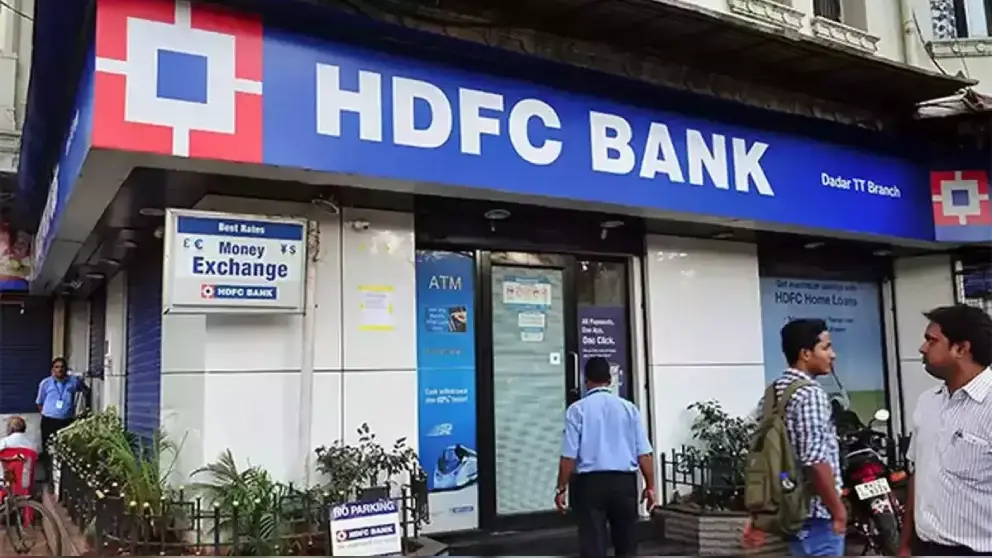
India's banking sector is currently buzzing with excitement. Recently, HDFC Bank successfully raised $750 million through an international bond issue. This major move has captured the attention of investors and industry experts alike. With an interest rate of 5.067%, the bank managed to secure a significant amount of capital, proving that global investors still have a strong appetite for high-quality Indian banking debt.
Why This Success Matters
The successful bond issuance by HDFC Bank is more than just a financial transaction. It signals that global markets trust the stability of the Indian banking system. By raising money in dollars, the bank has diversified its funding sources, which is a smart strategy to manage growth. Just as one might look for lower back pain relief exercises to stay healthy and flexible, banks must keep their financial structures healthy by diversifying where they get their capital from.
The bonds received high investment-grade ratings from major agencies like Moody’s and S&P. This reflects the bank's strong financial health. The money raised will be used for general banking activities, especially for operations outside of India, supporting future growth and liquidity needs.
Will Other Banks Follow Suit?
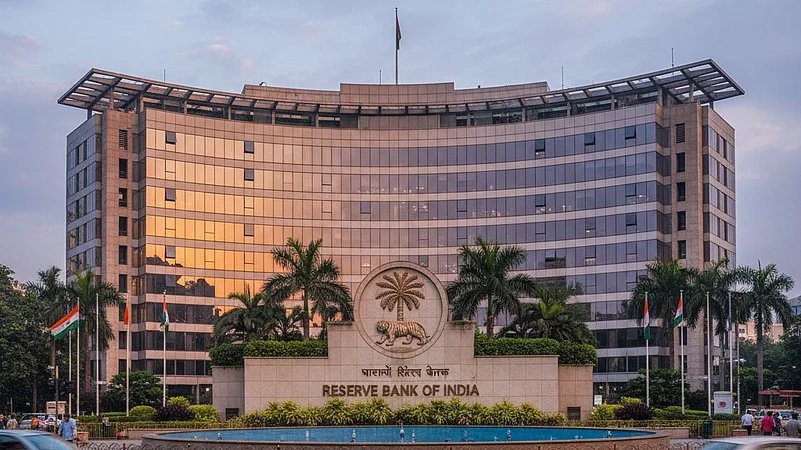
Industry observers are now asking if other major lenders like the State Bank of India or Bank of Baroda will jump on the bandwagon. As demand for credit rises from businesses and consumers across India, banks need more resources to lend. Accessing international markets could become a standard strategy. Many experts believe that after the Reserve Bank of India introduced helpful policies like the FCNR(B) swap facility, it has become much easier for banks to look beyond domestic borders for funding.
This is a fast-moving time for the financial world, much like the Pranit More biryani row lessons responsibility that taught us how quickly public narratives and trends can shift. Banks are acting with similar caution and strategic planning to ensure they remain competitive in a changing global landscape.
There’s more to life than simply increasing its speed.
By Udaipur Freelancer
Listing on the Global Stage
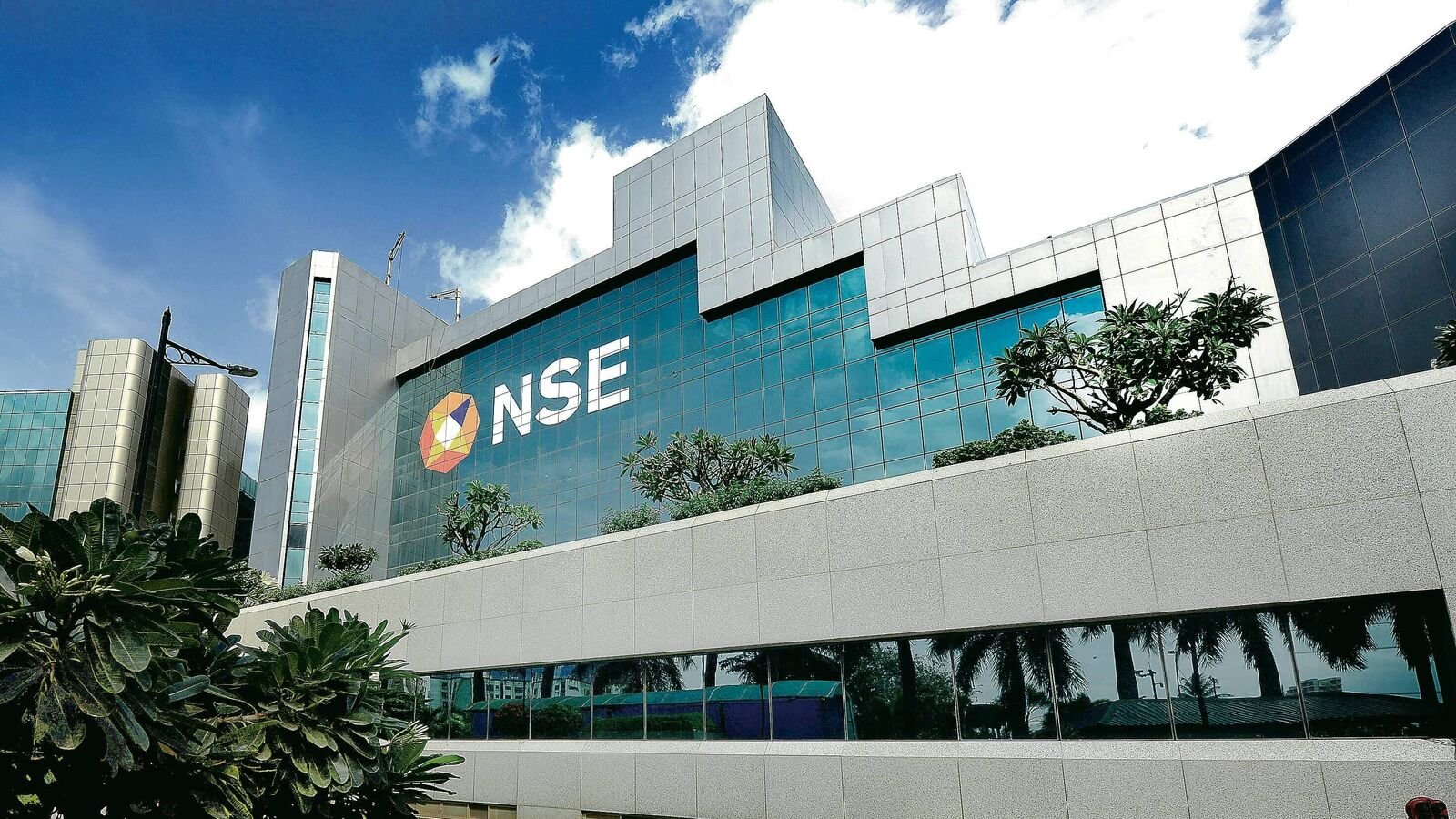
A unique part of this deal is the listing on the India International Exchange (IFSC) and NSE IFSC. By choosing these platforms, HDFC Bank is not just raising funds; it is helping to build India’s own international financial hub. This makes the bonds more visible to global investors and increases liquidity, making it easier for banks to trade their debt. Moving forward, we should expect to see more Indian financial institutions utilizing these platforms to access global capital at potentially better rates than domestic alternatives.
Ultimately, this $750 million milestone marks a new chapter for Indian banking. If other banks follow HDFC's lead, it could lead to a more robust, globally connected, and well-funded financial system in India. The coming months will be crucial in seeing how many other lenders take the leap into the international debt market.
Udaipur Freelancer delivers high-quality web, marketing, and design solutions. We focus on building impactful digital experiences that help your brand succeed in today's market.














Recommended for you
Must-See Art Exhibitions Around the World This Year
The Revival of Classical Art in a Digital Age
Breaking Down the Elements of a Masterpiece Painting
The Revival of Classical Art in a Digital Age