As the sun sets on another year, the Islamic world prepares to usher in a new one with the arrival of Muharram. Muharram 2026 is just around the corner, marking the beginning of the Islamic lunar calendar. This special month holds immense spiritual meaning for Muslims across the globe, a time for reflection, prayer, and remembrance.
For many, this period is more than just a calendar change; it’s a moment to look back at history and draw lessons for the future. Whether you're familiar with its traditions or are learning about them for the first time, understanding Muharram helps us appreciate a rich tapestry of faith and culture.
What is Muharram? The Sacred Beginning
Muharram is the very first month of the Islamic calendar, also known as the Hijri calendar. Unlike the Gregorian calendar, which follows the sun, the Islamic calendar is based on the moon's cycles. This makes Muharram a 'sacred month,' one of four such months in Islam where fighting is traditionally forbidden and spiritual acts are highly encouraged.
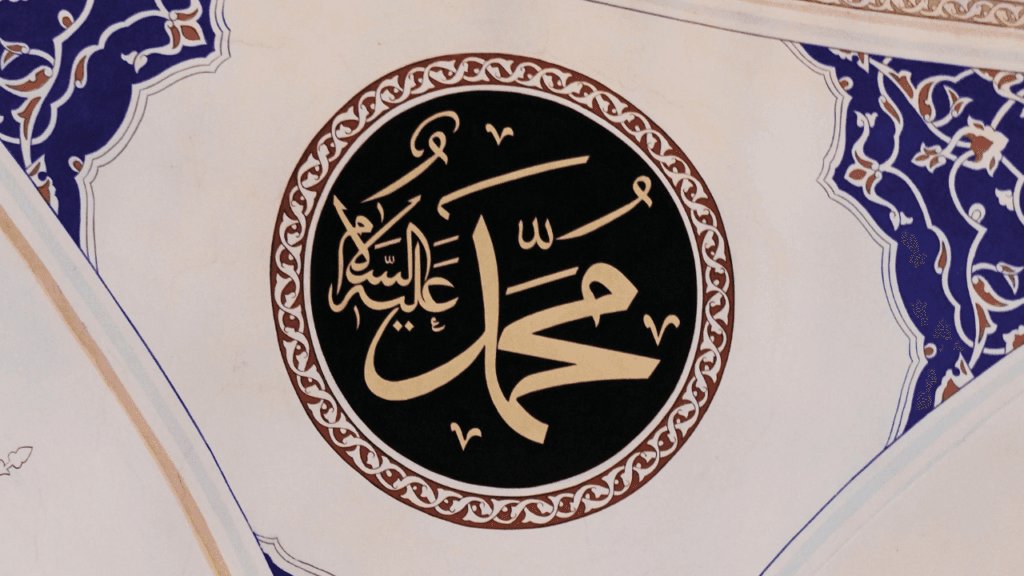
Its significance dates back to the time of Prophet Muhammad (peace be upon him), who taught that Muharram is a blessed month for worship, quiet reflection, and doing good deeds. It truly sets the tone for the entire Islamic year ahead, emphasizing peace and devotion right from the start.
Muharram 2026: Dates Around the World
The exact start date of Muharram, and thus the Islamic New Year, depends on when the new moon is sighted. For 2026, many countries, including Saudi Arabia, the UAE, Oman, and Qatar, are expected to begin Muharram on June 16. These nations are vital hubs not just for religious observances but also for global diplomacy, as seen in important international discussions like the India-UAE summit on nuclear energy, AI, and trade deals.
However, in India and other South Asian countries, the moon-sighting reports might lead to a slightly different date. There, Muharram could start either on June 16 or June 17, 2026. This slight difference highlights the local nature of lunar calendar observances, bringing communities together to confirm the start of the holy month.
Beyond Dates: The Islamic New Year's Deeper Meaning
While Muharram marks the Islamic New Year, it's not celebrated with fireworks or grand parties. Instead, it’s a time for spiritual renewal and looking inward. Muslims use this time to think about their actions, seek forgiveness, and commit to improving themselves in the coming year. It’s a chance for a fresh start, spiritually speaking.
The month encourages acts of charity, increasing prayers, and engaging in deep reflection. It’s a collective effort to grow closer to God and strengthen one’s faith, emphasizing humility and gratitude.
Ashura: The 10th Day of Deep Reflection
The most important day within Muharram is the 10th day, known as Ashura. This day holds profound significance, particularly for Shia Muslims, as it commemorates the martyrdom of Husayn ibn Ali, the grandson of Prophet Muhammad. This tragic event took place at the Battle of Karbala in 680 CE, a historical moment that deeply shaped Islamic history.
There’s more to life than simply increasing its speed.
By Udaipur Freelancer
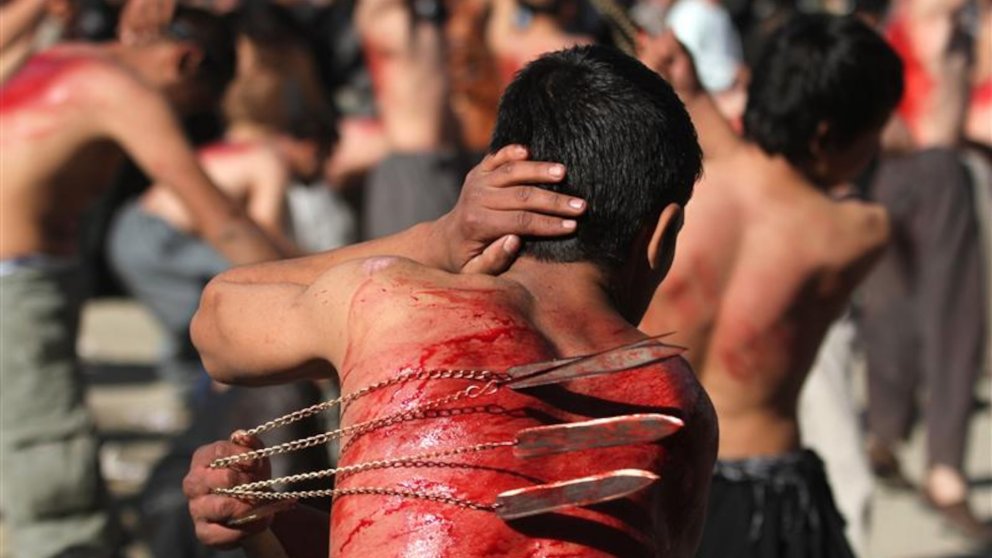
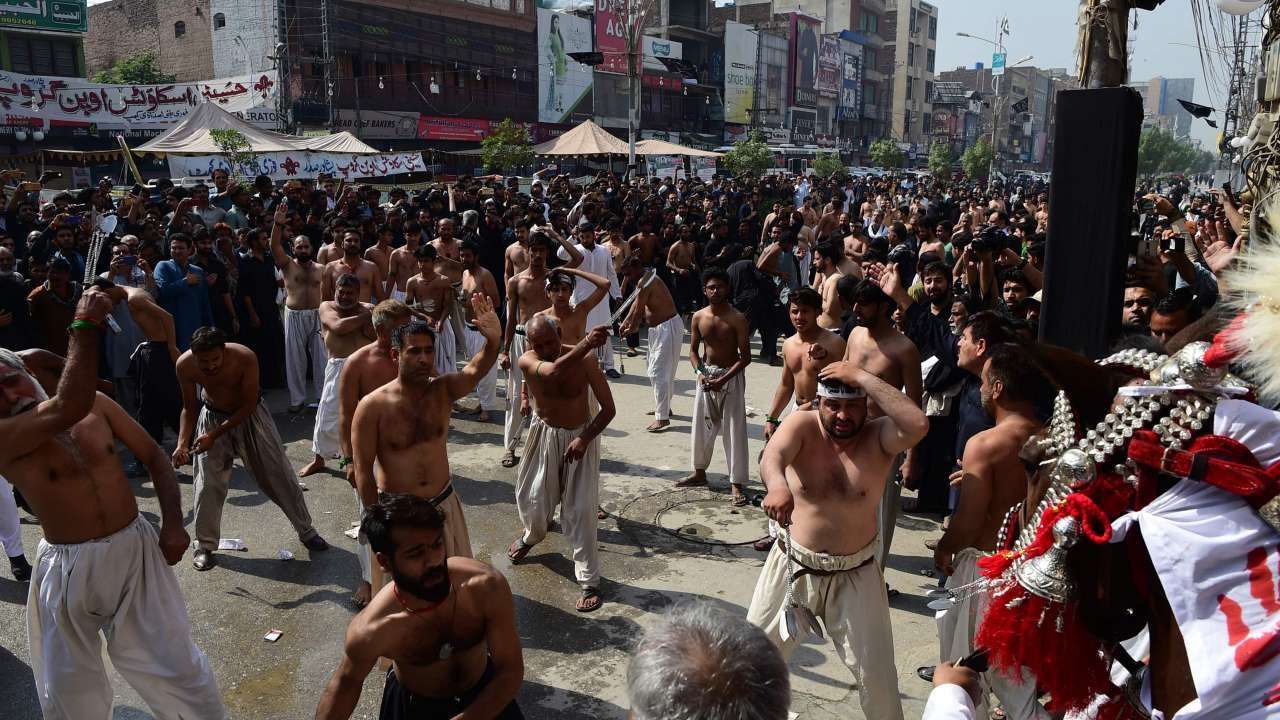
Shia Muslims observe Ashura with immense grief, holding mourning processions and religious gatherings called majlis. During these assemblies, speakers recount the events of Karbala, and many participants wear black as a sign of sorrow. This deep remembrance serves as a powerful reminder of sacrifice, justice, and resilience.
For Sunni Muslims, Ashura is also significant, though observed differently. Many Sunnis choose to fast voluntarily on this day, following the example of Prophet Muhammad, who fasted on Ashura. They also engage in prayers and charitable activities, connecting with the day through spiritual devotion and good deeds.
Traditions of Remembrance and Devotion
Throughout Muharram, Muslims worldwide engage in various practices to honor its sacredness. Beyond fasting on Ashura, many observe additional voluntary fasts during the month, especially on the 9th and 10th days, or the 10th and 11th days, to differentiate from pre-Islamic practices.
Acts of charity, known as sadaqah, are also common, as Muslims aim to share their blessings with those less fortunate. The entire month is seen as an opportunity for spiritual growth, fostering a sense of community and shared purpose through collective acts of worship and remembrance.
A Time for Universal Values
Despite the different traditions and ways of observing Muharram across various regions and schools of thought, its core message remains universal: a time for remembrance, spiritual reflection, and deep devotion. It encourages believers to ponder life's deeper meanings, the value of sacrifice, and the importance of standing for justice and truth.
As we navigate a world constantly evolving with new technologies and partnerships, like the recent Perplexity AI and Google Gemini partnership shaping our digital future, the enduring power of human tradition and faith stands as a profound constant. Muharram serves as a beautiful reminder of our shared human desire for meaning, connection, and spiritual betterment.
So, as Muharram 2026 approaches, let us all take a moment to appreciate the history, significance, and heartfelt devotion that this holy month brings to millions around the world.
Udaipur Freelancer delivers high-quality web, marketing, and design solutions. We focus on building impactful digital experiences that help your brand succeed in today's market.












Recommended for you
Must-See Art Exhibitions Around the World This Year
The Revival of Classical Art in a Digital Age
Breaking Down the Elements of a Masterpiece Painting
The Revival of Classical Art in a Digital Age