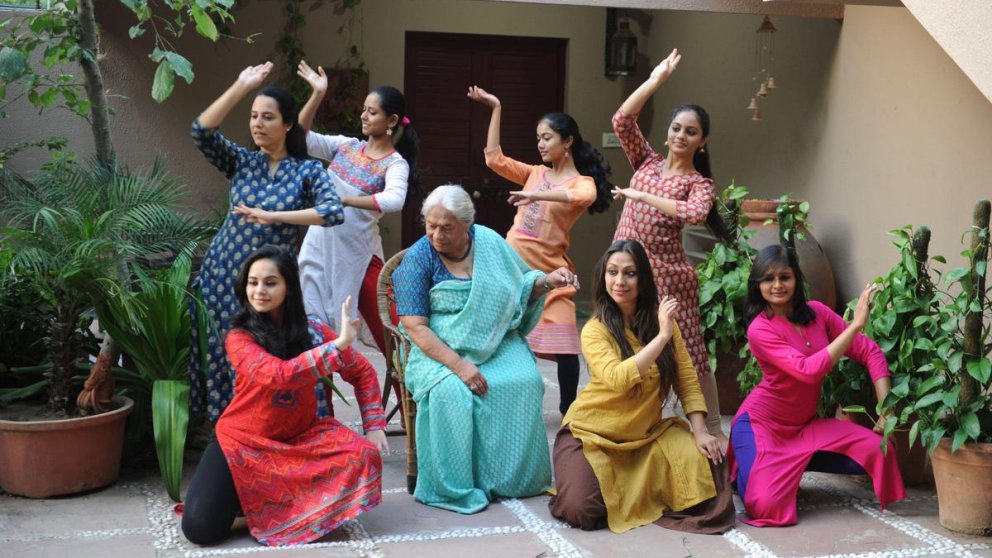
Guru Purnima is a very special day in India. It is a day dedicated to honoring our teachers, mentors, and gurus. For hundreds of years, learning classical arts like Bharatanatyam, Kathak, Carnatic music, or Hindustani classical music meant following a very strict tradition. Students lived near their gurus, practiced for endless hours, and obeyed every rule without asking questions. This traditional teacher-student relationship is known as the Guru-Shishya parampara.
However, times are changing quickly. Today, the new generation known as Generation Z (or Gen Z) is learning these ancient art forms in their own unique way. On this Guru Purnima, it is exciting to look at how young people are keeping traditional arts alive while completely changing the rules of how they learn, practice, and share their skills.
From Traditional Gurukuls to Screen Learning
In the past, learning a classical art required physical presence in a classroom or a traditional Gurukul. A student had to sit with the teacher every single day. Today, Gen Z has turned classrooms into hybrid spaces. They learn from masters across the world through video calls, online workshops, and recorded video lessons. A student in Mumbai can easily take weekly vocal lessons from a guru sitting in Chennai or London.
This shift to modern digital methods reflects a broader change in how education works worldwide. Just as formal educational systems adapt to global changes—such as when news breaks that CBSE cancels Middle East board exams 2026—artistic education is also becoming more flexible. Young learners balance their regular schoolwork, college degrees, and arts training using smart schedules and digital tools.
Asking Questions and Seeking Understanding
Older generations were taught to follow their gurus blindly. If a teacher asked a student to practice a single note or step for six months, the student simply obeyed. Gen Z respects their teachers deeply, but they also like to ask questions. They want to know the history, the science, and the emotion behind every raga, mudra, or rhythm.
This curious mindset is a key trait of Gen Z in every part of their lives. Just as young people today care about health and ask critical questions like does your table salt contain microplastics, they bring that same awareness into their art studios. They want to know why a technique works, how it affects the body, and what history lies behind a specific composition. Modern gurus actually welcome this curiosity because it creates a deeper and healthier conversation between teacher and student.
Using Social Media to Keep Classical Arts Cool
Another major change brought by Gen Z is how classical art is displayed to the public. Years ago, a classical performer had to wait for years to get an invitation to perform at a big stage or cultural festival. Today, young performers use platforms like Instagram, YouTube, and TikTok to share their passion with millions of viewers worldwide.
There’s more to life than simply increasing its speed.
By Udaipur Freelancer
Gen Z dancers and musicians create short video clips, dynamic covers, and interactive tutorials. They mix classical dance steps with modern pop songs or play traditional instruments like the sitar or flute alongside electronic music. By making these bite-sized videos, they make classical art look fun, fresh, and relevant to people of their own age. This exposure has introduced millions of young people to traditional Indian arts who might never have attended a formal concert.
A Friendlier and More Inclusive Guru-Shishya Bond
The physical dynamic between teachers and students has also evolved. While the deep respect for the guru remains strong, the strict fear factor is slowly fading away. Today's gurus, many of whom are Millennials or tech-savvy masters, treat Gen Z students like younger partners in art. They focus on mental well-being, encourage creative ideas, and offer praise alongside constructive critique.
This positive environment helps students stay motivated without feeling overwhelmed or burned out. Learning classical art is no longer seen as a painful, scary process, but rather as an enjoyable journey of personal growth and self-expression.
Conclusion: Celebrating the Modern Guru and Student
On this Guru Purnima, we celebrate both the dedicated teachers who carry centuries of wisdom and the bright Gen Z students who are carrying these art forms into the future. By combining ancient tradition with modern technology, active questioning, and creative freedom, Gen Z is proving that classical arts are not dying relics of the past. Instead, they are living, growing traditions that can flourish in the digital world. Happy Guru Purnima to all the amazing teachers and eager learners who keep our rich culture shining bright!













Recommended for you
Must-See Art Exhibitions Around the World This Year
The Revival of Classical Art in a Digital Age
Breaking Down the Elements of a Masterpiece Painting
The Revival of Classical Art in a Digital Age