Hello, future leaders and aspiring scholars! The digital world, especially platforms like X (formerly Twitter), has been buzzing with queries and a fair bit of speculation about the CUET PG 2026 examinations. Specifically, many of you have been wondering why some subjects had multiple exam dates and, more critically, whether a process called 'normalisation' was applied to candidate scores. Well, the National Testing Agency (NTA), the very body that conducts these crucial exams, has now stepped forward with a detailed and much-needed clarification. And believe me, their explanation should put a lot of minds at ease.
The Heart of the Matter: A Rescheduled Exam
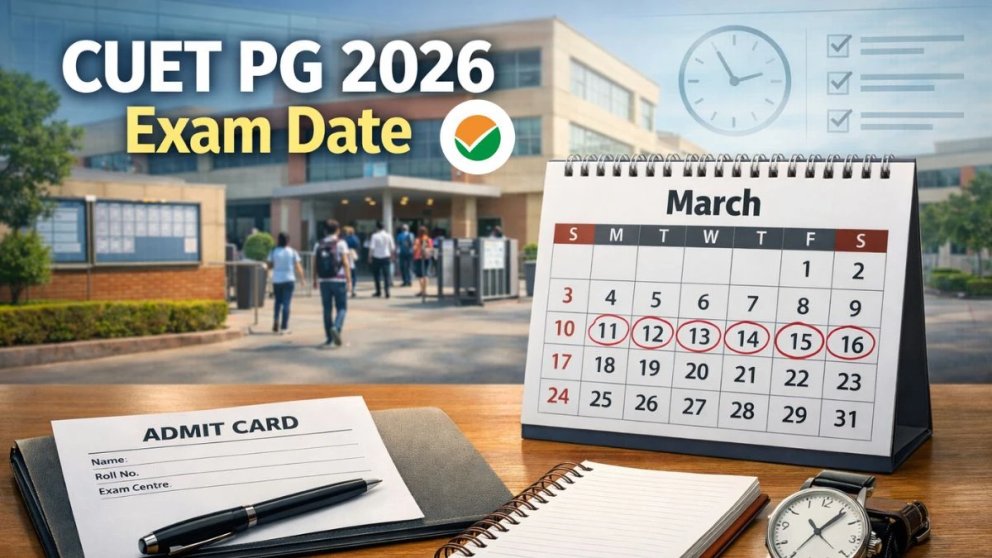
Let's cut straight to the chase. The NTA has confirmed that a rescheduled examination did indeed take place on March 29 and 30, 2026. However, this re-exam was not a widespread event. It was a targeted 'welfare measure' specifically for a small group of 565 candidates. Yes, you read that right – only 565 students were affected.
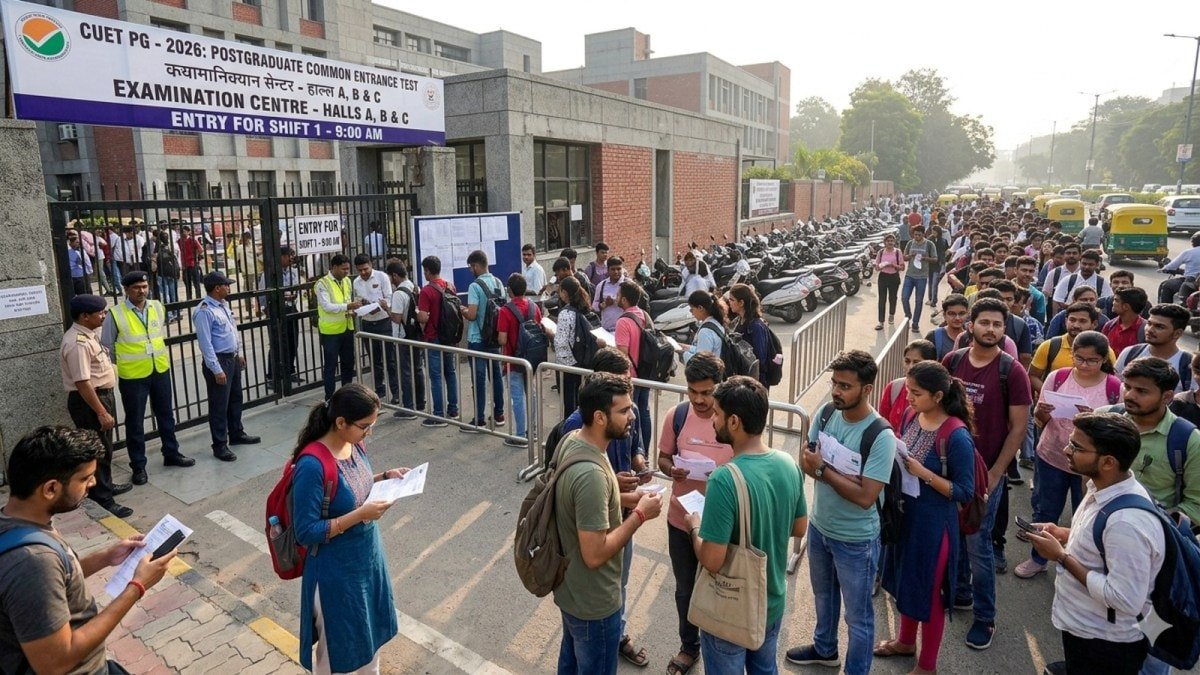
So, why were these particular candidates given a second chance? The reasons, as clarified by the NTA, were entirely beyond their control. A significant law-and-order disruption in Meghalaya made it impossible for a group of registered CUET PG candidates to appear on their originally scheduled dates. Additionally, security concerns at select overseas examination centres similarly prevented other candidates from taking their exams as planned. These were not minor hiccups; they were serious situations that genuinely hindered students from participating.
NTA's Policy: No Student Should Be Penalised
The NTA's response to these unfortunate events highlights a standing policy that should instill confidence in their processes. They firmly believe that no candidate should be penalised for circumstances for which they bear no responsibility. It's a fair and just approach. Imagine preparing for months, perhaps even years, for an exam that could shape your future, only to be thwarted by events completely out of your hands. The NTA recognised this plight and acted swiftly to ensure these 565 students were given a fair opportunity.
This means the rescheduled examination was not an open invitation for everyone who might have missed their original date for any reason. It was precisely for those who were directly impacted by the specific law-and-order situation in Meghalaya and the security issues at certain overseas centres. This precision is key to understanding the NTA's actions and why it wasn't a universal re-examination.
The Big Question: What About Normalisation?
One of the most pressing questions circulating online was about 'normalisation.' For those unfamiliar, normalisation is a process often used in multi-shift or multi-date exams to ensure fairness when different sets of question papers are used, aiming to adjust scores based on the perceived difficulty variation across shifts. The NTA's clarification here is crystal clear and unequivocal: no normalisation of scores has been applied to any candidate in the CUET PG 2026 examination.
This is a significant piece of information. It means that everyone's raw scores stand as they are, without any statistical adjustments for difficulty differences across various exam slots or dates. The reason for this, in the context of the re-exam, is that the rescheduled examination, covering 28 subjects, used question papers that had been prepared and certified in advance by subject experts. These experts confirmed that the papers for the re-exam were of difficulty equivalent to those used in the main examination for the same subjects.
So, the NTA ensured an equitable playing field not by adjusting scores afterwards, but by guaranteeing equivalent difficulty in the question papers themselves from the outset. This approach removes the need for normalisation, which can sometimes be a complex and misunderstood process for students and parents alike.
There’s more to life than simply increasing its speed.
By Udaipur Freelancer
Why This Matters for All CUET PG Candidates
This clarification from the NTA is vital for several reasons. Firstly, it dispels the myths and speculation that had been causing unnecessary anxiety among the student community. When official information isn't readily available, rumours can quickly fill the vacuum, leading to stress and confusion. By clearly stating the facts, the NTA has provided much-needed transparency.
Secondly, it reinforces the NTA's commitment to fairness and student welfare. While such large-scale examinations are complex to manage, especially with unforeseen circumstances, their proactive measure to help affected students and then clarify the process publicly speaks volumes. It shows an understanding that students’ futures are at stake, and every effort must be made to ensure a just examination environment.
Whether you're exploring options like interior design courses or aiming for a postgraduate degree in a completely different field, knowing that the examination body operates with such clarity and fairness is reassuring. It allows you to focus on what truly matters: your preparation and performance.
Life, much like the intricate details of an India-US trade deal, often presents unexpected twists and turns. The key is how institutions respond to them. In this instance, the NTA’s response appears to be a well-considered and student-centric approach.
Final Thoughts
So, if you were among those concerned about the CUET PG 2026 re-exams or the normalisation process, hopefully, this detailed breakdown based on the NTA's official clarification brings you peace of mind. The message is clear: a specific, welfare-oriented re-exam for a very small group, and no normalisation applied to anyone because all papers were designed to be of equivalent difficulty. Focus on your results, celebrate your achievements, and continue to pursue your academic dreams with confidence!
Udaipur Freelancer delivers high-quality web, marketing, and design solutions. We focus on building impactful digital experiences that help your brand succeed in today's market.
















Recommended for you
Must-See Art Exhibitions Around the World This Year
The Revival of Classical Art in a Digital Age
Breaking Down the Elements of a Masterpiece Painting
The Revival of Classical Art in a Digital Age