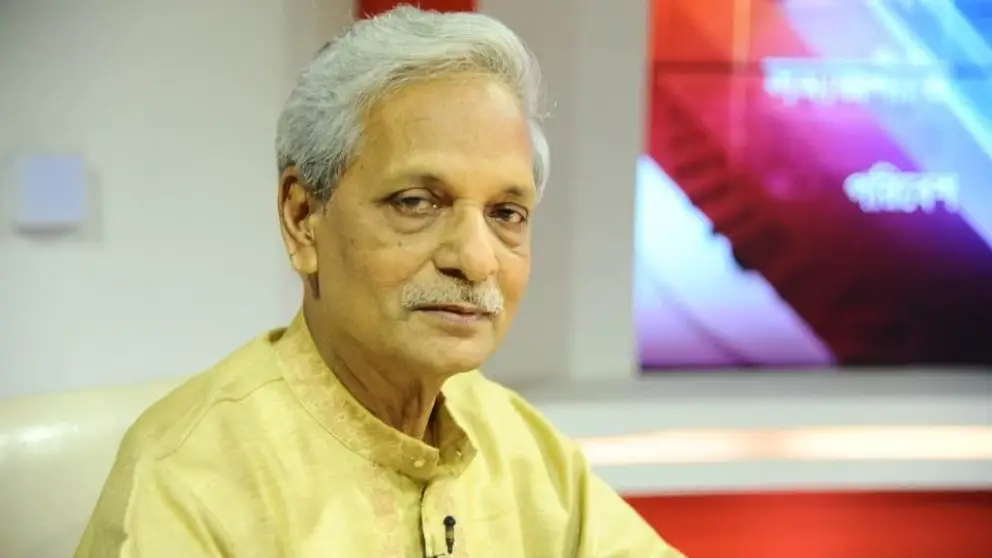
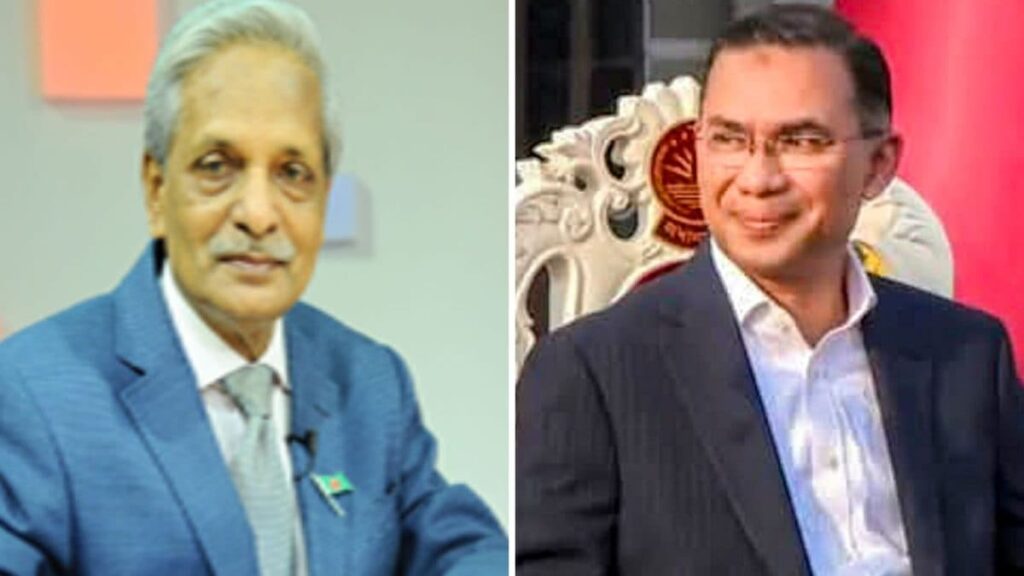
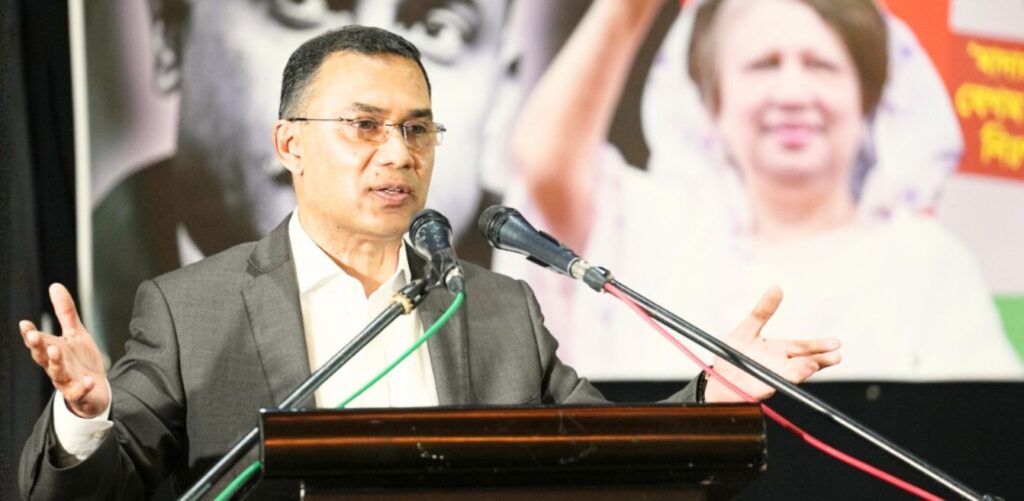
The political landscape of Bangladesh is currently undergoing a massive transformation, and at the center of this change is the formation of a new cabinet under the leadership of Bangladesh Nationalist Party (BNP) chief Tarique Rahman. While several names have made headlines, one particular appointment has caught the attention of both local and international observers. Nitai Roy Chowdhury has emerged as a key figure in this new administration, notably serving as the only Hindu minister within the 25-member cabinet. His appointment is seen by many as a strategic move to address minority representation during a time of significant political transition.
The swearing-in ceremony, which took place on a Tuesday, marked a pivotal moment for the BNP. Nitai Roy Chowdhury, a veteran leader and a seasoned legal professional, was among those who took the oath of office. Although the specific portfolios and departments for the new ministers have not yet been officially allotted, the inclusion of Chowdhury is being viewed as a strong signal to the minority communities of Bangladesh. Alongside him, the cabinet also includes a Buddhist Chakma leader, suggesting an effort by the Tarique Rahman administration to present a more inclusive and diverse front to the nation and the world.
The Early Life and Academic Foundation of a Veteran Statesman
To understand the man behind the title, one must look back at his roots in the Magura District. Born in 1949, Nitai Roy Chowdhury grew up during a time of immense historical change in the region. He began his journey into the world of academia at Magura Government College, where he completed his early studies. However, it was his move to the capital that truly shaped his future. He attended the prestigious University of Dhaka, a place known for being the cradle of Bangladeshi political leadership and intellectual discourse.
While pursuing his degree in law at Dhaka University, Chowdhury did more than just study textbooks. This was the environment where he cut his teeth in the world of politics. The university campus provided a training ground where he learned the art of debate, the importance of grassroots organizing, and the complexities of national policy. His legal background has remained a cornerstone of his career, providing him with a unique perspective on governance and the rule of law that he continues to carry into his senior leadership roles today.
A Legacy of Governance: Transitioning from the Ershad Regime to BNP Leadership
Nitai Roy Chowdhury is far from a newcomer to the halls of power. His experience in the upper echelons of government dates back several decades. In 1988, he was first elected to the Jatiya Sangsad, the National Parliament of Bangladesh, representing the Magura-2 constituency. His capabilities were quickly recognized, and by 1990, he was appointed as a minister in the government of Hussain Muhammad Ershad. During this time, he served briefly as the Minister of Youth and Sports, a role that allowed him to interact with the younger generation and understand the administrative machinery of the state.
Following the fall of the Ershad regime, Chowdhury made a strategic political move that would define the rest of his career. he joined the Bangladesh Nationalist Party (BNP). Over the years, he demonstrated unwavering loyalty and a sharp mind for strategy, eventually rising to the position of Vice Chairman of the BNP’s Central Committee. This is one of the most influential roles within the party, involving the shaping of long-term strategies and providing critical advice to the party’s top leadership. His journey from a young law student to a Vice Chairman and now a Cabinet Minister highlights a career built on persistence and political survival.
The Electoral Triumph: Securing a Mandate Against Political Extremism
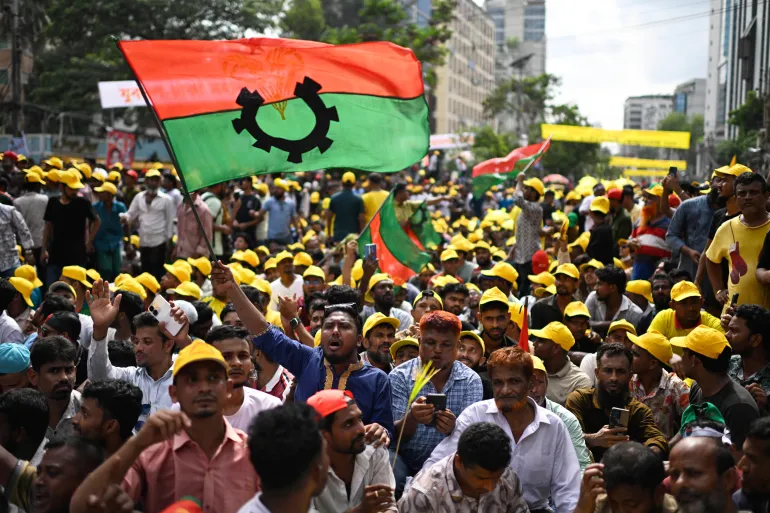
The road to the current cabinet was paved by a significant victory in the recent elections held on February 12. Running on a BNP ticket, Nitai Roy Chowdhury returned to his home turf of Magura-2 to seek the mandate of the people. This election was particularly noteworthy because of the competition he faced. Chowdhury was pitted against a candidate from Jamaat-e-Islami, a major Islamist party. In a race that many expected to be tight, Chowdhury secured a resounding victory, winning by a substantial margin.
This win was more than just a personal success, it was a demonstration of his deep-rooted popularity in Magura. By defeating a candidate from a prominent Islamist organization, Chowdhury proved that his appeal transcends religious lines and is based on his track record as a leader. His ability to command such a large following in his constituency has solidified his position as a heavyweight within the BNP and made him an obvious choice for a high-ranking position in the Tarique Rahman administration.
A Political Dynasty: The Interwoven Legacy of the Roy Chowdhury Family
The influence of Nitai Roy Chowdhury extends far beyond his own individual achievements, as he is the patriarch of a family deeply embedded in the political and legal fabric of Bangladesh. His wife, Jhuma, has been a constant support throughout his long career, and together they have raised three children who have also found success in their respective fields. Perhaps the most well-known among them is his daughter, Nipun Roy Chowdhury. She has carved out her own path as a firebrand BNP politician and serves as an executive committee member, having previously held leadership roles at the district level.
The family’s political footprint is further expanded through strategic alliances and marriages. Nipun Roy Chowdhury is married to Amitav Roy, the son of Gayeshwar Chandra Roy, who is another senior and highly respected leader within the BNP. This connection effectively links two of the party’s most prominent families, creating a powerful network of influence. Furthermore, Nitai’s son, Debasish Roy Chowdhury, represents the family in the judicial sphere, serving as a judge in the High Court of Bangladesh. This combination of political leadership and judicial presence makes the Roy Chowdhury family one of the most significant dynasties in the country today.
There’s more to life than simply increasing its speed.
By Udaipur Freelancer
A Vocal Critic of the Status Quo and the Awami League
Nitai Roy Chowdhury has never been one to shy away from controversy or hold back his opinions on the state of the nation. For years, he has been an outspoken critic of the previous Awami League government led by Sheikh Hasina. In various interviews, including high-profile discussions with the India Today Group, he has accused the former administration of establishing a Fascist regime. He argued that the judiciary was compromised and that state power was systematically misused to suppress political opposition.
According to Chowdhury, the legal system was used as a tool for a political crackdown, claiming that millions of cases were filed against BNP members to stifle dissent. His rhetoric is often sharp and uncompromising, reflecting the deep polarization that has characterized Bangladeshi politics for years. By taking such a strong stance, he has positioned himself as a champion for those who felt marginalized or targeted by the previous government, and his new role in the cabinet gives him a platform to act on these long-held grievances.
Addressing the Persecution of Minorities and Communal Violence
One of the most sensitive topics Chowdhury has addressed is the safety and security of the Hindu minority in Bangladesh. He has pointed out the alarming decline in the Hindu population, which has dropped from roughly 28% in 1947 to under 8% in recent years. In a bold and controversial claim, he argued that the Awami League, which often presents itself as a secular protector of minorities, was actually the biggest enemy of Hindus. He alleged that the party was involved in the communal violence that has plagued the country.
When confronted with the history of violence against Hindus during previous BNP-Jamaat administrations, such as in 2001, Chowdhury described those events as isolated attacks rather than systemic issues. He maintains that the narrative surrounding minority safety has been manipulated for political gain. As the only Hindu minister in the current cabinet, many are looking to see how he will balance his party loyalty with his responsibility to protect the interests and safety of the community he represents.
Navigating Foreign Relations: Perspectives on Indian Solidarity and Chinese Influence
Nitai Roy Chowdhury’s views on foreign policy provide a glimpse into how the new administration might handle its powerful neighbors. He has expressed significant caution regarding China’s role in Bangladesh’s development. He has described Chinese financing as a potential trap, suggesting that the "loans and grants" offered for various projects are a means for China to gain political hegemony and expand its market reach at the cost of the host nation's sovereignty. His concern is that a development model based on heavy foreign debt is unsustainable and dangerous for the country's long-term health.
In contrast, his outlook on India is noticeably more positive and strategic. He has famously remarked that 'Bangladesh is at the belly of India,' implying that the two nations are geographically and existentially linked. He believes that it is in India's best interest to see a stable and prosperous Bangladesh, and he has advocated for a relationship that goes deeper than ever before. This stance suggests that under the new leadership, there may be a concerted effort to rebuild trust and strengthen ties with New Delhi, moving away from the friction that has sometimes characterized the relationship in the past.
The Signal of a New Direction for Bangladesh
The appointment of Nitai Roy Chowdhury is more than just a personnel choice. it is a signal of the BNP’s intended direction. By placing a veteran Hindu leader in a top ministerial role, Tarique Rahman is attempting to reshape the party's image and counter the perception that it is purely an Islamist-leaning organization. Chowdhury represents a different face of the BNP one that is rooted in legal expertise, veteran experience, and a clear vision for international relations.
As the new government begins its work, the eyes of the nation will be on Chowdhury. People will be watching to see how he handles his yet-to-be-announced portfolio and whether he can deliver on the promises of inclusivity and reform. For the Hindu community and other minorities, his presence in the cabinet offers a glimmer of hope for better representation, while for the international community, he serves as a key interlocutor for understanding the future of Bangladesh. His journey from the classrooms of Dhaka University to the highest levels of the state cabinet is a testament to his resilience and his enduring influence in the complex world of Bangladeshi politics.
Udaipur Freelancer delivers high-quality web, marketing, and design solutions. We focus on building impactful digital experiences that help your brand succeed in today's market.











Recommended for you
Must-See Art Exhibitions Around the World This Year
The Revival of Classical Art in a Digital Age
Breaking Down the Elements of a Masterpiece Painting
The Revival of Classical Art in a Digital Age