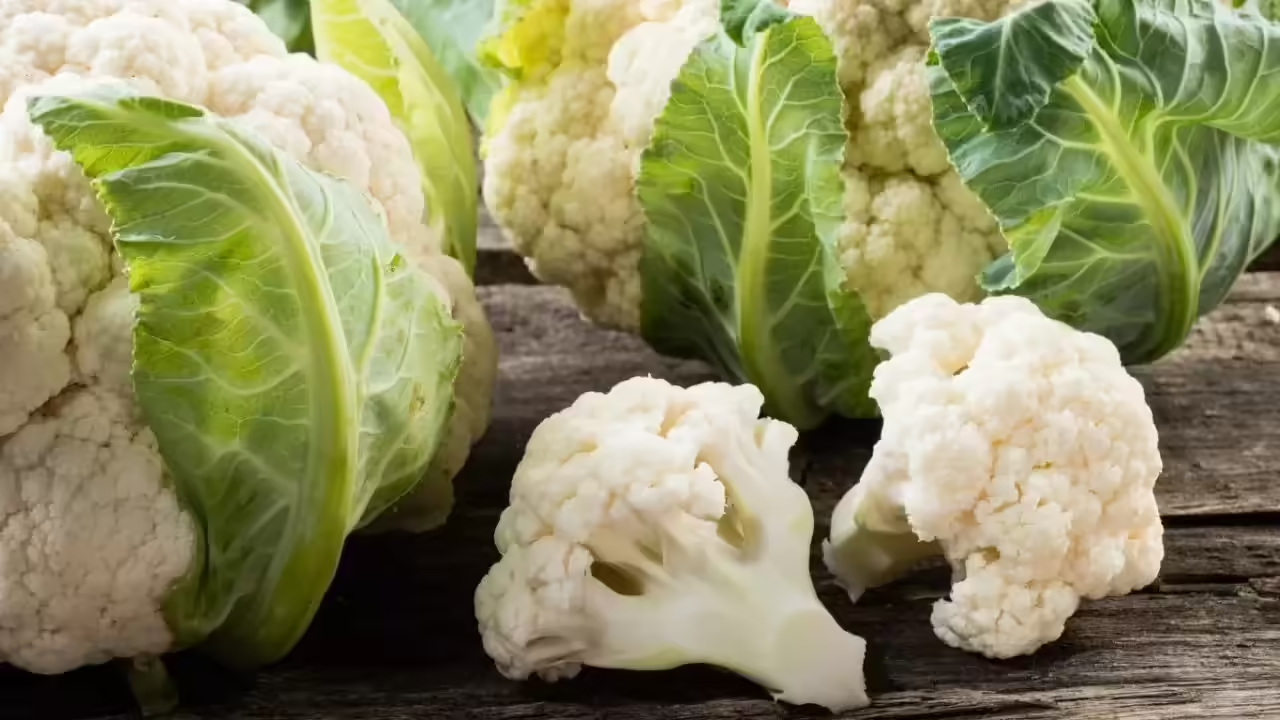
We all know that person who has replaced basically everything in their fridge with cauliflower. Nowadays, you can find cauliflower pizza crust, cauliflower rice, cauliflower wings, and even cauliflower gnocchi. It has become the superhero of the vegetable world because it is low in carbs and high in fiber.
In many homes, especially in Indian cooking, cauliflower (or Gobi) is a staple. Whether it’s in a spicy curry, a stuffed paratha, or a crunchy salad, it tastes amazing and feels healthy. And for the most part, it is healthy! It’s packed with Vitamin C, Vitamin K, and antioxidants that help your body stay strong.
But as the old saying goes, "Too much of anything is bad." Even something as green and innocent as cauliflower can cause some trouble if you overdo it. If you’ve been eating it every single day or in massive portions, you might want to slow down.
Here are 4 health risks of eating too much cauliflower that you should know about.
1. It Can Lead to Major Gas and Bloating
Have you ever felt like a balloon after eating a big bowl of cauliflower rice? You’re not alone. Cauliflower belongs to the cruciferous family (alongside broccoli and cabbage). These veggies contain a complex sugar called raffinose.
The tricky part about raffinose is that our bodies don't have the right tools to break it down easily in the small intestine. Instead, it travels all the way to the large intestine where bacteria have to ferment it. This fermentation process creates gas.
If you have a sensitive stomach or suffer from issues like IBS (Irritable Bowel Syndrome), eating too much cauliflower can lead to:
Painful bloating.
Excessive gas.
A heavy, uncomfortable feeling in your gut.
Pro Tip: If you love cauliflower but hate the bloating, try cooking it thoroughly instead of eating it raw. Steaming or boiling it helps break down those tough sugars before they hit your stomach!
2. It Might Mess With Your Thyroid
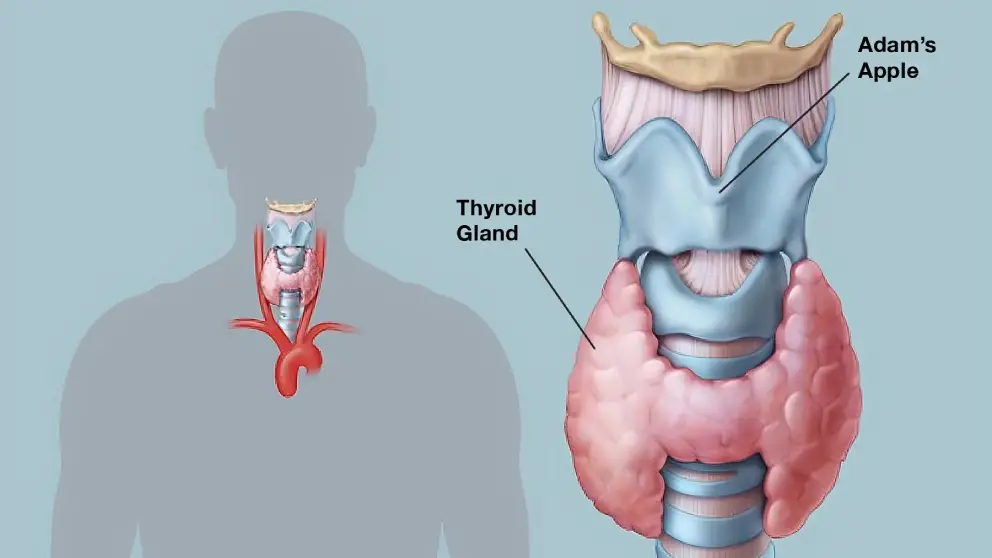
This is one that many people don't realize. Cauliflower contains substances called goitrogens. While that sounds like a scary science word, it basically means these compounds can interfere with how your thyroid gland uses iodine.
Your thyroid needs iodine to produce the hormones that manage your metabolism and energy. If you eat massive amounts of raw cauliflower, it could potentially block this process. This is especially risky for people who already have hypothyroidism (an underactive thyroid).
When the thyroid can't do its job, you might feel tired, gain weight unexpectedly, or feel cold all the time. Doctors often suggest that people with thyroid issues should limit their intake of raw cruciferous vegetables.
Pro Tip: Cooking cauliflower usually deactivates most of these goitrogens, making it much safer for your thyroid!
3. Some People Might Have an Allergic Reaction
While it isn't as common as peanut or shellfish allergies, cauliflower allergies do exist. For some people, the body’s immune system sees certain proteins in the cauliflower as a threat and reacts to them.
There’s more to life than simply increasing its speed.
By Udaipur Freelancer
Symptoms of a cauliflower allergy can show up shortly after eating and might include:
Itchy skin or red rashes.
Swelling of the lips, face, or tongue.
Difficulty breathing (in severe cases).
Upset stomach or vomiting.
Even if you’ve eaten cauliflower your whole life, allergies can sometimes develop out of nowhere. If you notice a weird itch or a rash every time you have Aloo Gobi, it might be time to talk to a doctor.
4. It Can Kill Your Appetite and Tank Your Energy
This might sound like a good thing if you’re trying to lose weight, but it can actually backfire. Cauliflower is very high in fiber and very low in calories. Because it fills you up so quickly, you might end up eating way fewer calories than your body actually needs to function.
If you replace all your grains and healthy fats with cauliflower, you might run into an energy gap. Your body needs a balance of carbs, fats, and proteins to keep your battery charged.
Eating too much cauliflower can lead to:
Feeling weak or lightheaded.
Low energy levels throughout the day.
Not getting enough nutrients (especially for pregnant women or people recovering from illness).
Fiber is great, but if you eat too much of it without enough water or other nutrients, it can actually make you feel sluggish rather than healthy.
Who Should Be Extra Careful?
While cauliflower is generally safe for most people in moderation, certain groups should be a bit more cautious:
People with Kidney or Gallbladder Stones: Cauliflower contains small amounts of calcium and other compounds that might contribute to stone formation in people who are prone to them.
Those on Blood Thinners: Cauliflower is rich in Vitamin K, which helps with blood clotting. If you are on medication to thin your blood, a sudden huge increase in cauliflower intake could interfere with your medicine.
People with Digestion Issues: If you already struggle with frequent acidity or leaky gut issues, the high fiber and complex sugars in cauliflower might be too much for your system to handle.
Pregnant Women: While it's healthy, the increased risk of gas and bloating can make pregnancy discomfort even worse.
The Bottom Line: Balance is Key!
Does this mean you should stop eating cauliflower? Absolutely not! It is still one of the most nutrient-dense vegetables you can put on your plate. It’s great for your heart, your brain, and your skin.
The secret is moderation. Instead of having cauliflower at every meal, try to rotate your vegetables. Pair your cauliflower with some healthy fats (like olive oil) and proteins to make sure you’re getting a balanced meal.
Listen to your body. If it tells you that you're too bloated or tired after a cauliflower-heavy meal, try cutting back. A little bit of variety goes a long way in keeping your gut happy and your energy levels high!
Udaipur Freelancer delivers high-quality web, marketing, and design solutions. We focus on building impactful digital experiences that help your brand succeed in today's market.



















Recommended for you
Must-See Art Exhibitions Around the World This Year
The Revival of Classical Art in a Digital Age
Breaking Down the Elements of a Masterpiece Painting
The Revival of Classical Art in a Digital Age