The world is watching as tensions between the United States and Iran reach a breaking point. Just three weeks after a fragile peace deal was signed, President Donald Trump has officially declared that the ceasefire is over. This shift happened after a series of military confrontations in the Strait of Hormuz, a critical waterway for global trade. Understanding these complex geopolitical shifts is essential to seeing how international relations impact our daily lives.
Why Did the Fighting Start?
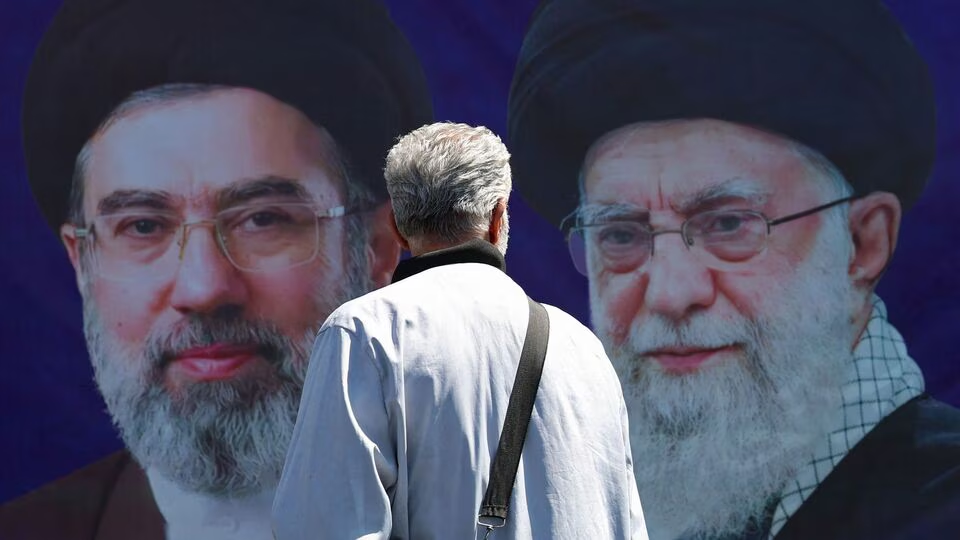
The latest round of conflict began early on Wednesday. The US military reported that Iranian forces attacked three commercial vessels moving through the Strait of Hormuz. In a quick response, the United States military carried out strikes against Iranian targets. Not long after, Iran launched retaliatory strikes in Bahrain, where the US Navy’s 5th Fleet is based. This cycle of violence has effectively erased the progress made by the recent Memorandum of Understanding.
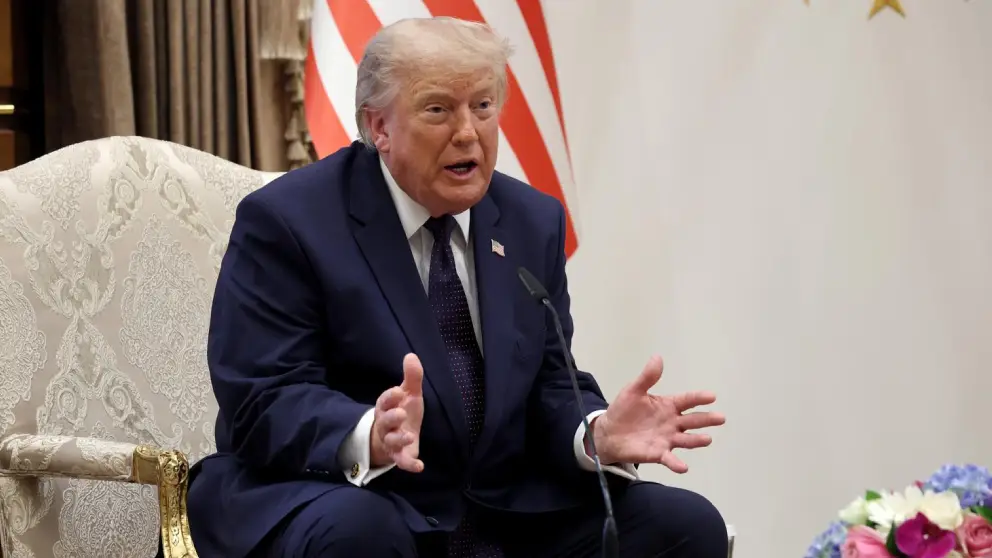
President Trump did not hold back his frustration while speaking at a NATO Summit in Ankara. He referred to Iran’s leadership with harsh words, calling them "scum" and "sick people." He stated that the US has "a score to settle," noting that for 47 years, the two nations have been caught in a cycle of dishonesty and conflict. For businesses and nations watching these events, the uncertainty is as damaging as the military action itself, much like the uncertainty in digital investments during times of crisis.
The Future of the Strait of Hormuz
The situation in the Strait of Hormuz is especially dangerous because it is a key route for oil tankers. Iran has claimed that they will not allow US interference in this waterway. They have stated that the only safe route for ships is the one set by the Iranian military. In response, President Trump has vowed to reimpose a naval blockade, which would tighten the pressure on Iran significantly.
There’s more to life than simply increasing its speed.
By Udaipur Freelancer
When asked if there is any chance of a future deal, President Trump was skeptical. He mentioned that he had taken the time to get to know the Iranian leadership, and he is no longer sure that a deal is the right path forward. Instead, he hinted at a strategy to "finish the job." This language suggests that we might see a long period of instability rather than a return to diplomacy.
What Happens Next?
The world now faces a difficult road ahead. As both sides prepare for more confrontations, the risk of a larger conflict in West Asia grows. Diplomatic efforts seem to be on hold, and both countries are doubling down on their military positions. The stability of the global economy, energy prices, and international peace are all hanging in the balance. We will continue to follow these developments closely as the situation unfolds.
Udaipur Freelancer delivers high-quality web, marketing, and design solutions. We focus on building impactful digital experiences that help your brand succeed in today's market.














Recommended for you
Must-See Art Exhibitions Around the World This Year
The Revival of Classical Art in a Digital Age
Breaking Down the Elements of a Masterpiece Painting
The Revival of Classical Art in a Digital Age