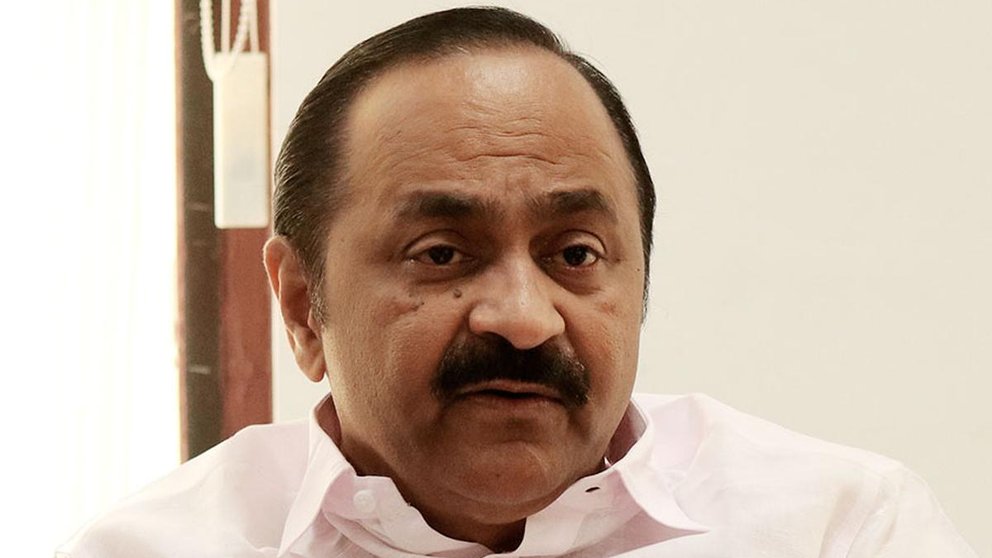
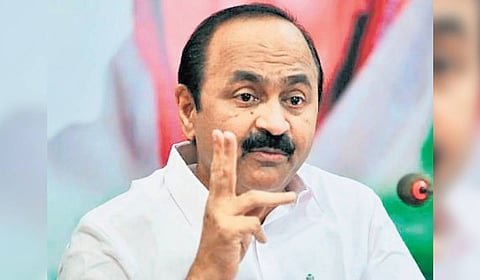
The political landscape of Kerala has been buzzing with anticipation, and the wait is finally over. After a spectacular victory for the Congress-led United Democratic Front, VD Satheesan has been officially named the Chief Minister-in-waiting for the state. This announcement follows days of intense speculation and internal deliberations within the Congress high command, putting an end to the suspense that had gripped political observers and the public alike.
Satheesan's elevation comes at a crucial time for Kerala, a state facing various challenges, particularly on the economic front. His journey to the top post is a a testament to his long-standing dedication and strategic acumen as a seasoned politician. But what truly set him apart, even before the big announcement, was his crystal-clear vision for governance, a vision he articulated powerfully during a recent interaction at The Indian Express Idea Exchange.
The 'Experience' Question: A Fresh Perspective
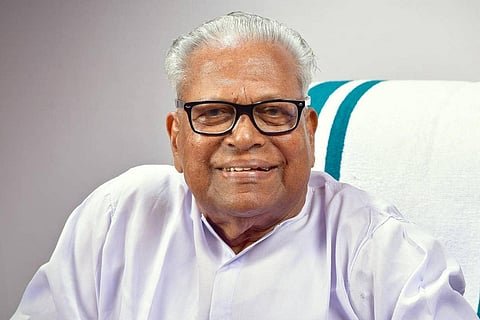
One of the most pointed questions directed at Satheesan concerned his lack of prior experience as a minister. It’s a common query posed to aspiring leaders who haven't held cabinet portfolios. However, Satheesan, an MLA for 25 years, responded not just with confidence, but with a sharp, insightful counter-argument that challenges conventional wisdom about leadership. He didn't shy away from drawing parallels with prominent figures, stating, “Administrative experience is not everything. VS Achuthanandan did not have administrative experience. When Narendra Modi became CM, what was his administrative experience? He was a party organiser, not even a senior parliamentarian.”
This wasn't just a defensive stance; it was a strategic redefinition of what constitutes 'experience' in modern leadership. Satheesan argued that his quarter-century tenure as an MLA provided invaluable preparation. He highlighted the rigorous homework required to speak for even 15 minutes in the Assembly, emphasizing the need to be "updated on everything related to it." This daily grind of legislative work, understanding public issues, and debating policy effectively serves as a continuous administrative training ground, albeit without a ministerial designation.
Bridging Governance and Business Acumen
Perhaps the most striking aspect of Satheesan's philosophy is his innovative comparison of governance to running a business. This isn't just a casual analogy; it's a fundamental framework he proposes for effective public administration. "Governance is like running a business," he often tells his business friends. "You need planning, team building, implementation and communication. Selecting the right people shows leadership, then project implementation and marketing.”
This perspective underscores a shift from traditional bureaucratic approaches to a more dynamic, results-oriented model. In a state like Kerala, with its vulnerable financial situation, such an approach could be transformative. Satheesan believes firmly in strengthening the economy through "better financial management, improved tax administration to prevent leaks of exchequer, and measures to stimulate the economy." These are not just buzzwords; they represent concrete policy directions aimed at fiscal prudence and economic revival. His focus on these areas aligns with the critical need for states to manage their finances judiciously, a topic often at the forefront of discussions surrounding state administration and even election outcomes, as seen in various regions where economic performance plays a vital role. For instance, understanding complex state-level political and economic shifts can be crucial, just as analyzing the Andhra Pradesh election controversy explained provides insights into regional political dynamics and their impact on governance.
The Crucial Role of Accountability
Central to Satheesan's vision is the concept of accountability – a concept he believes is often missing in public service. He drew a sharp contrast between the private and public sectors: "In a private company, if a manager is given six months to complete a task and fails, he will be held accountable, but a bureaucrat may take six years instead of six months but nothing happens because he is not accountable. So accountability must be legalised."
There’s more to life than simply increasing its speed.
By Udaipur Freelancer
This isn't just about blaming officials; it's about establishing a system where performance is measured, and consequences, both positive and negative, are clear. Satheesan advocates for legalizing accountability, ensuring officials are answerable for their actions and inactions. He envisions a leadership that "must create a system and culture that others follow," backed by "regular performance auditing." This emphasis on measurable outcomes, expert interaction, and prioritizing tasks is the bedrock of what he considers true administration, aiming to foster a more efficient and responsive government.
Navigating the Political Landscape
Satheesan's appointment, while a clear mandate from the Congress high command, also involved intricate political maneuvering. Senior leaders like KC Venugopal and Ramesh Chennithala were also seen as strong contenders. The process, involving extensive discussions with various state leaders, MPs, and former PCC presidents, highlights the democratic, albeit often complex, nature of leadership selection within the party. AICC general secretary Deepa Dasmunsi's announcement confirmed the unanimous resolution of the Congress Legislature Party to authorize the Congress president for the final decision.
Now, with the leadership question settled, the real work begins. Satheesan will need to bring his proposed "business-like" approach to governance into immediate action. His vision for better financial management, improved tax administration, and stimulating the economy will be put to the ultimate test. Implementing measures to prevent exchequer leaks or reforming administrative processes often requires navigating complex bureaucratic hurdles and securing inter-departmental cooperation. For example, considering a broader perspective on regulatory frameworks, even topics like West Bengal cattle slaughter norms India updates can illustrate the complexities of policy implementation and the diverse challenges faced by state administrations across the country.
A New Era for Kerala?
VD Satheesan is stepping into the role of Chief Minister-in-waiting with a clear philosophy that prioritizes modern, accountable, and performance-driven governance. His sharp retorts to questions about experience, backed by examples and a detailed action plan, suggest a leader who is not just ready for the job but is eager to redefine it. The people of Kerala, who have given the UDF a decisive mandate, will be watching closely as he attempts to translate his compelling vision into tangible improvements in their lives and the state’s fortunes. A new era of leadership, focused on efficiency and transparency, may well be on the horizon for the 'God's Own Country'.
Udaipur Freelancer delivers high-quality web, marketing, and design solutions. We focus on building impactful digital experiences that help your brand succeed in today's market.













Recommended for you
Must-See Art Exhibitions Around the World This Year
The Revival of Classical Art in a Digital Age
Breaking Down the Elements of a Masterpiece Painting
The Revival of Classical Art in a Digital Age