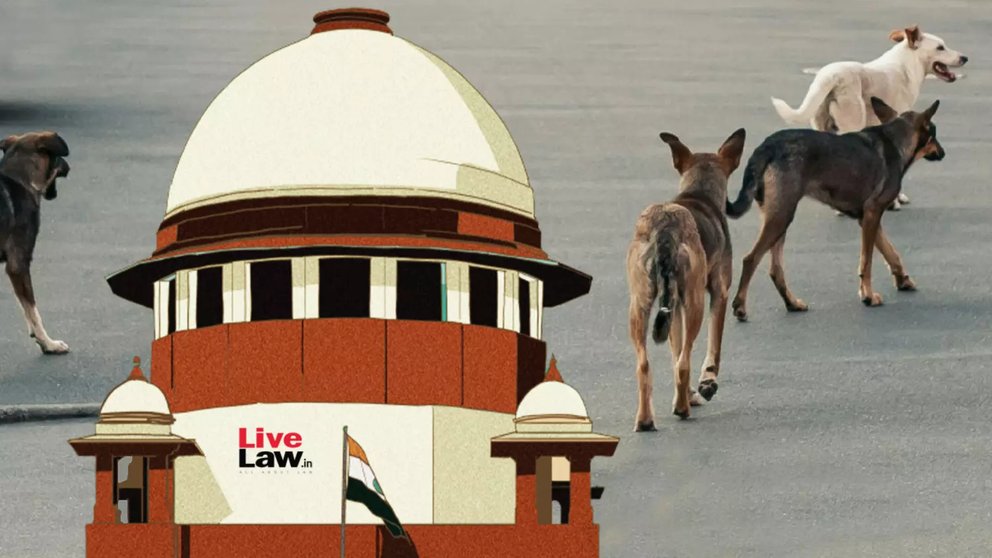
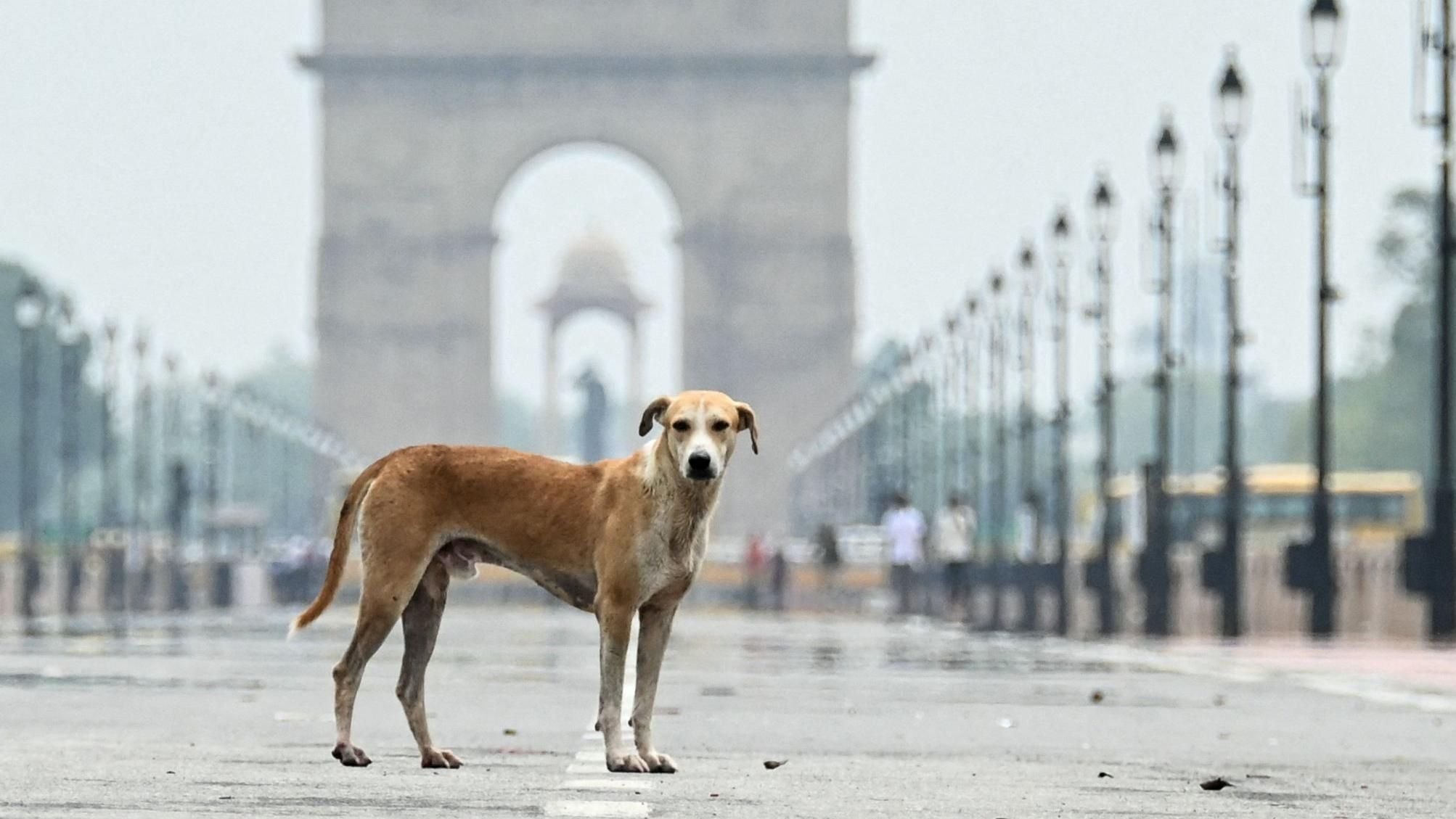
The Supreme Court of India has once again sent a clear and strong message regarding the ongoing challenge of stray dogs in public spaces. In a recent development, the apex court firmly refused to change its earlier November 2025 order. This order directed that stray dogs be removed from sensitive public areas like hospitals, schools, colleges, bus stations, and railway stations. The court's reasoning? It simply stated it 'could not remain blind to harsh realities'. This isn't just a legal pronouncement; it's a significant moment in the complex discussion about public safety versus animal welfare.
The Growing Concern: A 'Darwinian Principle' on Our Streets?
For too long, the issue of stray dog attacks has been a serious public safety concern across the country. The Supreme Court highlighted disturbing incidents where young children have been badly hurt, elderly people attacked, and even foreign tourists affected. These aren't isolated cases; they are widespread and paint a grim picture. The court used a powerful phrase, noting that a 'Darwinian principle of survival of the fittest' seemed to be at play, where vulnerable people are left to protect themselves because the government hasn't acted effectively. This stark observation underscores the urgency and severity of the situation on the ground, affecting the most defenceless members of our society.
Upholding Article 21: The Right to Move Freely Without Fear
At the heart of the Supreme Court's decision is a fundamental right enshrined in our Constitution: the right to life and liberty under Article 21. The court clearly stated that this right includes 'the right of every citizen to move freely and access public spaces without living under a constant apprehension of physical attack or exposure to life-threatening events such as dog bites in public areas.' This is a critical point. It means that walking to a bus stop, visiting a hospital, or sending children to school should not come with the constant fear of a dog attack. This legal interpretation puts human safety and the freedom to use public facilities at the forefront, defining a crucial boundary for public administration.
The State's Non-Negotiable Duty: No Passive Spectators
The Supreme Court didn't mince words when it spoke about the government's role. It stressed that children and the elderly cannot be left to deal with such threats alone. Governments, the bench asserted, are 'duty-bound to ensure the protection of life and public safety.' The court added that 'the state cannot remain a passive spectator where preventable threats to human life continue to proliferate in the face of statutory mechanism specifically designed to address them.' This is a powerful call to action, reminding authorities of their primary responsibility. Just as the state introduces schemes like the Atal Pension Yojana to secure futures, its foundational role is to ensure present safety and wellbeing for all citizens in their daily lives. Our public spaces, much like how the IPL has changed since 2008, have evolved, and with that comes a responsibility to ensure they remain safe and accessible for everyone.
What This Order Means on the Ground
The reaffirmation means that the earlier directive to remove stray dogs from specific public institutions and spaces remains firmly in place. This isn't about eradicating all strays, but rather about managing their presence in areas where human vulnerability is highest. The goal is to shift these animals to shelters, ensuring both public safety and the welfare of the dogs themselves. This move acknowledges that while compassion for animals is important, it cannot come at the cost of human life and the fundamental right to safety and free movement, especially for those who are most at risk.
There’s more to life than simply increasing its speed.
By Udaipur Freelancer
A Balanced Approach: Beyond Just Removal
While the Supreme Court's order is firm, it also opens up a larger conversation about comprehensive solutions. Simply removing dogs from certain areas is a temporary fix if the root causes aren't addressed. This includes effective Animal Birth Control (ABC) programs, proper waste management (as food waste attracts strays), public awareness campaigns, and promoting responsible pet ownership. Shelters need to be well-funded and managed ethically. The challenge is immense, but the court's clear directive provides a legal backbone for authorities to act decisively and implement long-term, sustainable strategies that respect both human safety and animal welfare.
Moving Forward: A Call for Action and Responsibility
The Supreme Court's refusal to dilute its order marks a pivotal moment. It's a loud and clear message to state and local governments: public safety is not negotiable. The time for passive observation is over. Now, the focus must shift to rigorous implementation of the order, coupled with thoughtful, humane, and effective stray dog management programs. This decision underscores that a civilized society must protect its most vulnerable while also striving for compassionate solutions. It’s a call for every citizen, every authority, and every animal welfare group to work together to create public spaces that are safe, accessible, and free from fear for everyone.
Udaipur Freelancer delivers high-quality web, marketing, and design solutions. We focus on building impactful digital experiences that help your brand succeed in today's market.

















Recommended for you
Must-See Art Exhibitions Around the World This Year
The Revival of Classical Art in a Digital Age
Breaking Down the Elements of a Masterpiece Painting
The Revival of Classical Art in a Digital Age