After a very slow and worrying start in June, the Indian monsoon has made a massive comeback. New reports show that India received 11 percent more rain than normal during the first week of July. This is highly welcoming news for farmers, water supplies, and everyone waiting for relief from the summer heat.
A Dramatic Turnaround in July
Data from the India Meteorological Department (IMD) shows that between July 1 and July 6, the country received 53.3 mm of rain. Normally, India gets about 48 mm during this time. This jump has wiped out many of the worries from June, which was one of the driest starts to the monsoon season in decades.
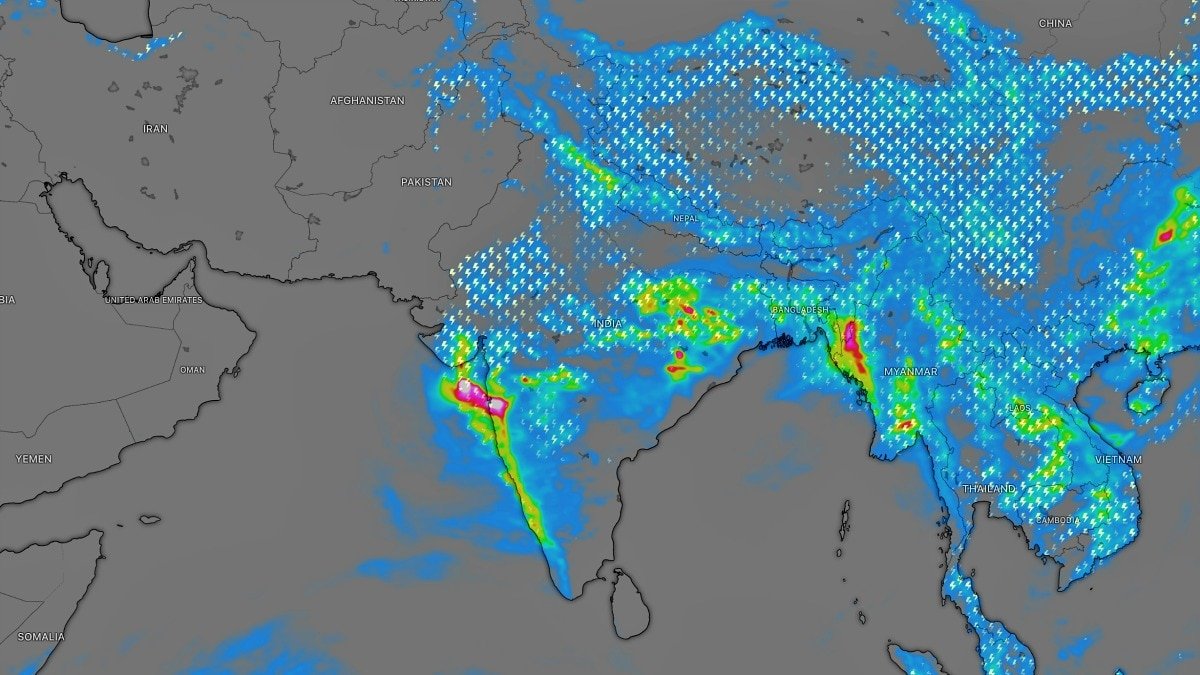
Satellite images from the Indian Space Research Organisation (ISRO) show huge, dense cloud bands covering almost the entire country. From the blue waters of the Arabian Sea to the Bay of Bengal, and up to the tall Himalayan mountains, heavy rain-bearing clouds are active everywhere.
Why is it Raining So Much Now?
Weather experts say that multiple weather systems came together at the same time to create this heavy rain. First, there is a standard monsoon trough stretching across the country. Second, a special low-pressure system, known as a Monsoon Trough Cyclone, formed over western India. Third, a deep depression formed over the Bay of Bengal.
Together, these three systems have acted like a giant pump, pulling wet winds from both sides of the ocean and dumping heavy rain over the land. This massive system is pushing deep inland, spreading moisture to areas that were dry just a week ago.
How This Rain Helps Farmers
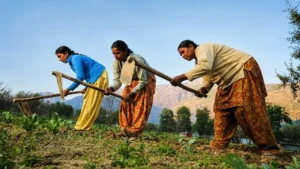
Rain is the lifeblood of Indian agriculture. Millions of families depend on these timely showers to plant their summer crops. The sudden surplus of rain means fields are now wet enough for planting rice, pulses, and vegetables. For instance, growing popular crops like potatoes and other healthy foods depends heavily on early monsoon moisture to ensure a rich harvest later in the year.
With reservoirs starting to fill up, farmers are feeling much more confident about the coming months. A strong harvest keeps food prices low and helps the whole economy grow stronger.
Heavy Rain Alerts in Many States
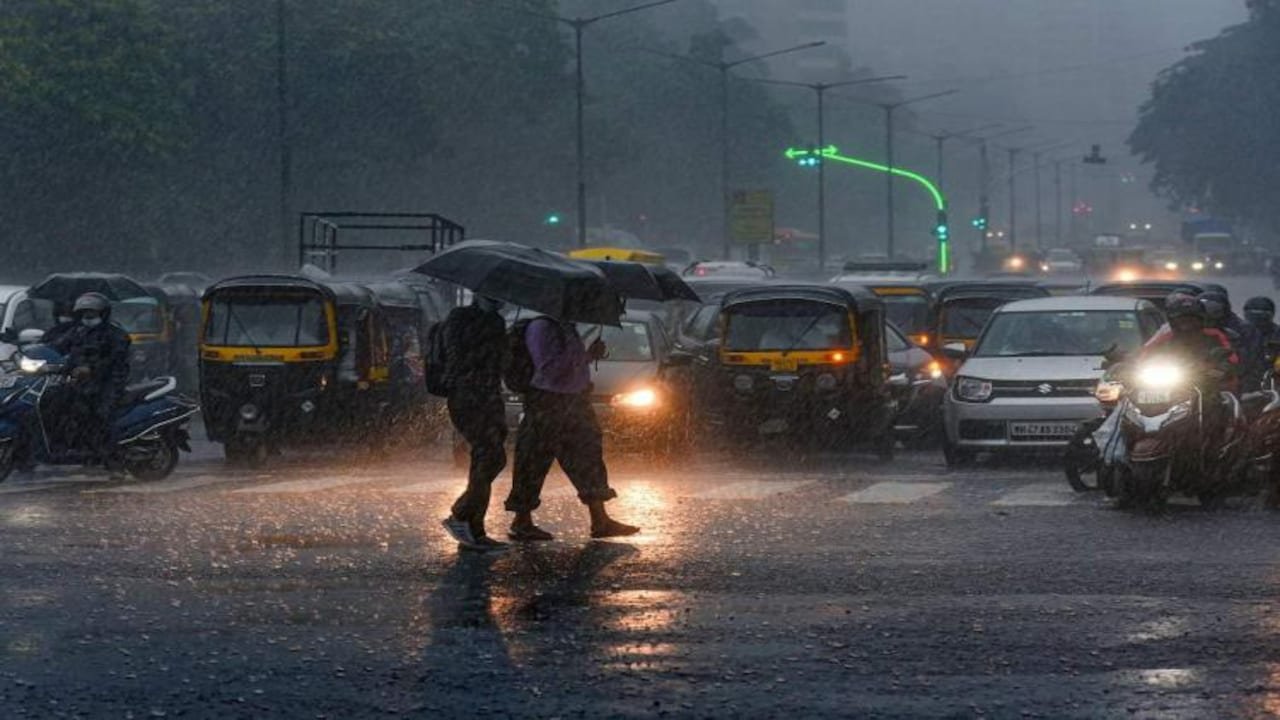
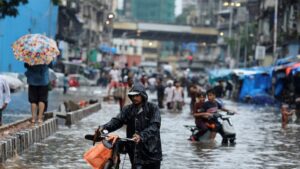
While the rain is mostly good news, too much rain in a short time can cause serious problems. The IMD has issued alerts for very heavy rainfall in Odisha, Chhattisgarh, and eastern Madhya Pradesh. As the Bay of Bengal depression moves over the land, it will dump massive amounts of water. This creates a high risk of local flooding, waterlogging in cities, and overflowing rivers.
There’s more to life than simply increasing its speed.
By Udaipur Freelancer
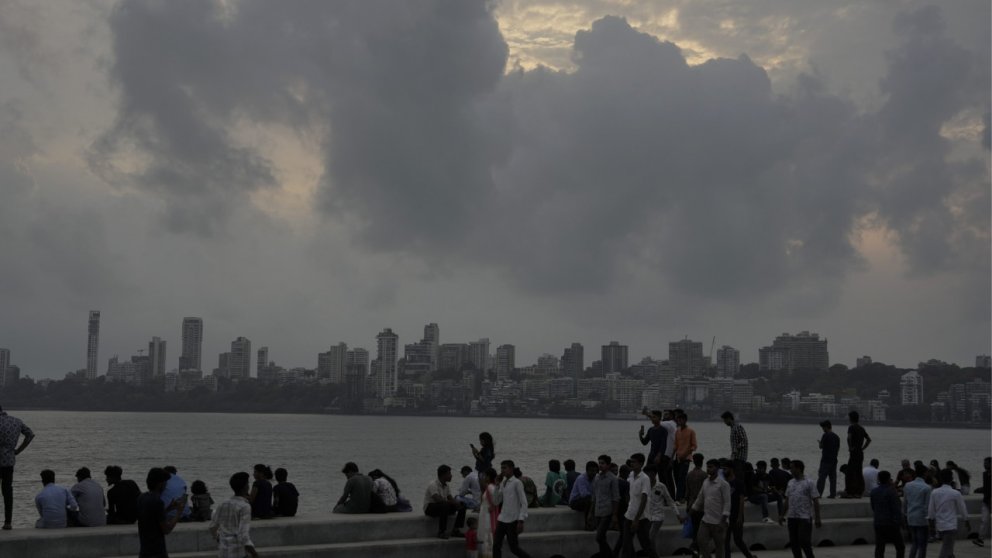
In western India, the city of Mumbai and the nearby Konkan coast are also bracing for more heavy downpours. Winds from the Arabian Sea are pushing wet air into the hills, which can quickly trigger intense, localized rainstorms that slow down city life.
A Beautiful but Challenging Season to Travel
The monsoon turns the Indian countryside into a lush green paradise. Waterfalls come alive, and ancient mountain forts look incredibly beautiful shrouded in clouds. If you love exploring historic monuments in the rain, India offers wonderful sights that easily rival the most famous global destinations. In fact, many travelers often compare India's historic beauty to the countries with the most UNESCO sites because of its rich cultural landscapes that shine during the rainy season.
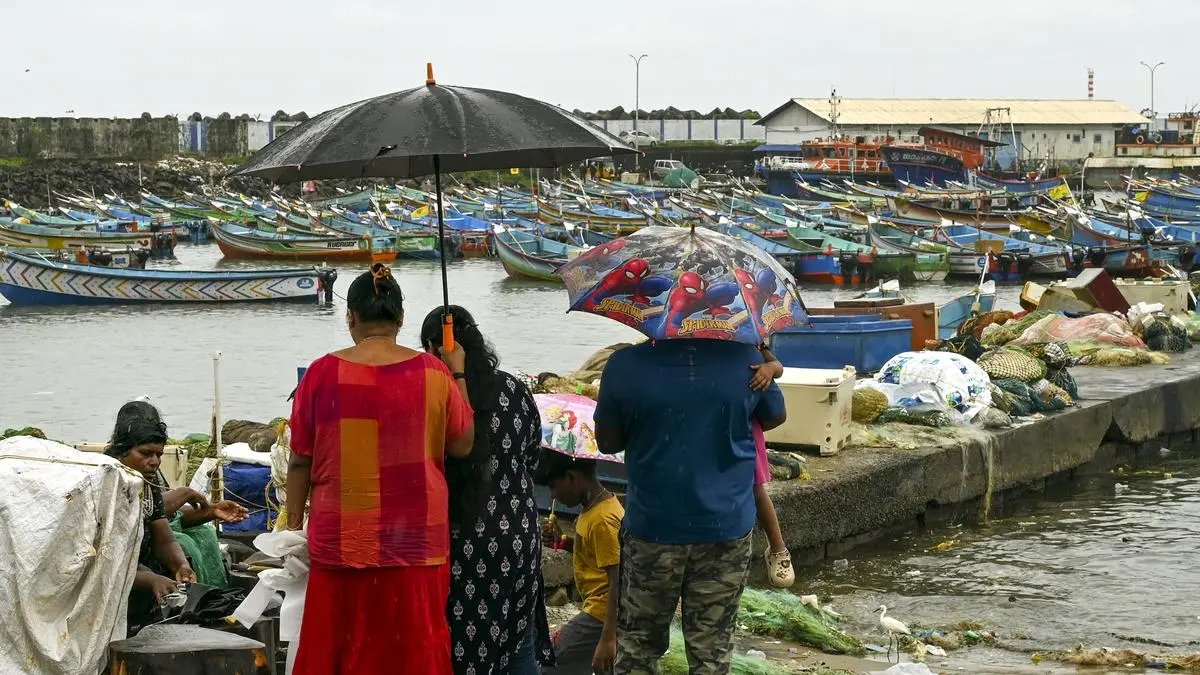
However, travelers should remain cautious. Heavy rain can cause landslides in hilly areas and train delays in the plains. It is always wise to check local weather forecasts before planning any trips during this active phase.
What Lies Ahead?
So far, states like Gujarat, Maharashtra, Odisha, and Madhya Pradesh have received excess or even large excess rainfall. On the other hand, some northern and eastern states, like Uttar Pradesh, Bihar, and West Bengal, are still facing small deficits. However, meteorologists believe that as the monsoon trough remains active over the Indo-Gangetic plains, these dry gaps will close very soon.
With wet winds continuing to blow strong, the next couple of weeks look highly promising. The monsoon is back in full force, and India is ready to make the most of this vital rainy season.
Udaipur Freelancer delivers high-quality web, marketing, and design solutions. We focus on building impactful digital experiences that help your brand succeed in today's market.













Recommended for you
Must-See Art Exhibitions Around the World This Year
The Revival of Classical Art in a Digital Age
Breaking Down the Elements of a Masterpiece Painting
The Revival of Classical Art in a Digital Age