When we talk about strength in aviation, we aren’t just talking about how much a plane can lift. We are talking about structural integrity, engine thrust, the ability to withstand extreme atmospheric pressure, and the sheer audacity of engineering. From the legendary Antonov An-225 to the supersonic SR-71, the history of flight is a testament to humanity’s desire to push the limits of physics.
In this deep dive, we explore the strongest aircraft ever to take flight the titans that moved mountains, broke speed barriers, and redefined what is possible in the clouds.
1. The Antonov An-225 Mriya
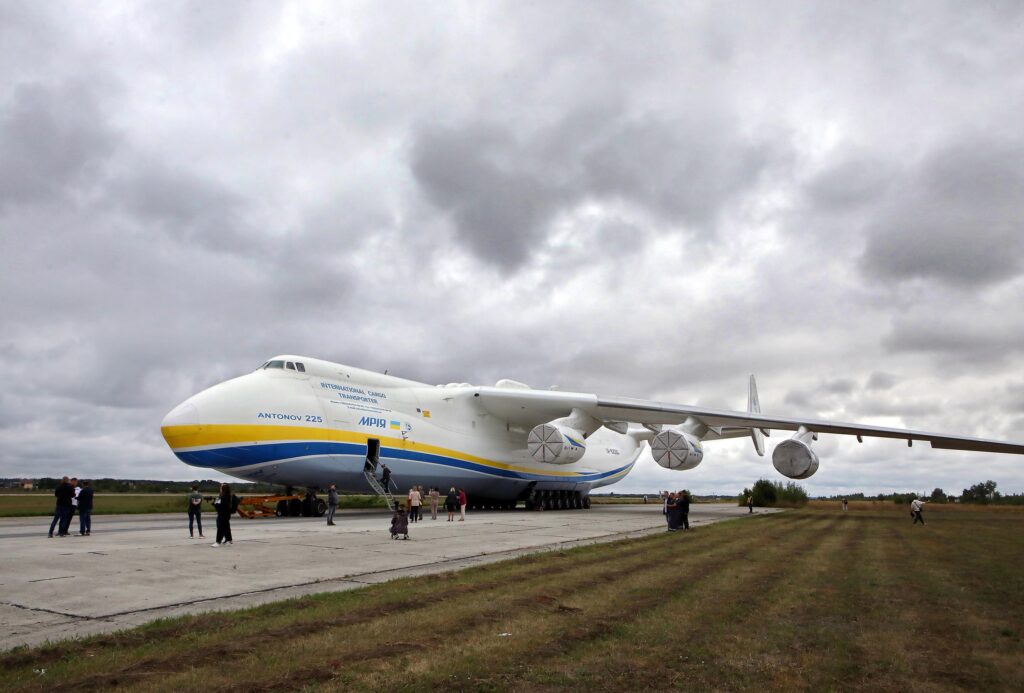
If strength is measured by the ability to carry weight, the Antonov An-225 Mriya stands alone in the history books. Built in the late 1980s by the Soviet Union to transport the Buran space shuttle, the Mriya (meaning Dream in Ukrainian) was a six-engine behemoth.
Why it’s one of the strongest:
Massive Payload: It held the world record for a total payload of 253,820 kg (559,580 lbs).
Six Turbofan Engines: Each Progress D-18T engine produced over 51,000 pounds of thrust.
Wingspan and Gears: To support its massive weight, it featured a 32-wheel landing gear system.
The An-225 wasn't just a plane. it was a flying warehouse. Though tragically destroyed during the 2022 conflict in Ukraine, its legacy as the strongest heavy-lift aircraft remains unchallenged in the hearts of aviation enthusiasts.
2. The Lockheed C-5 Galaxy
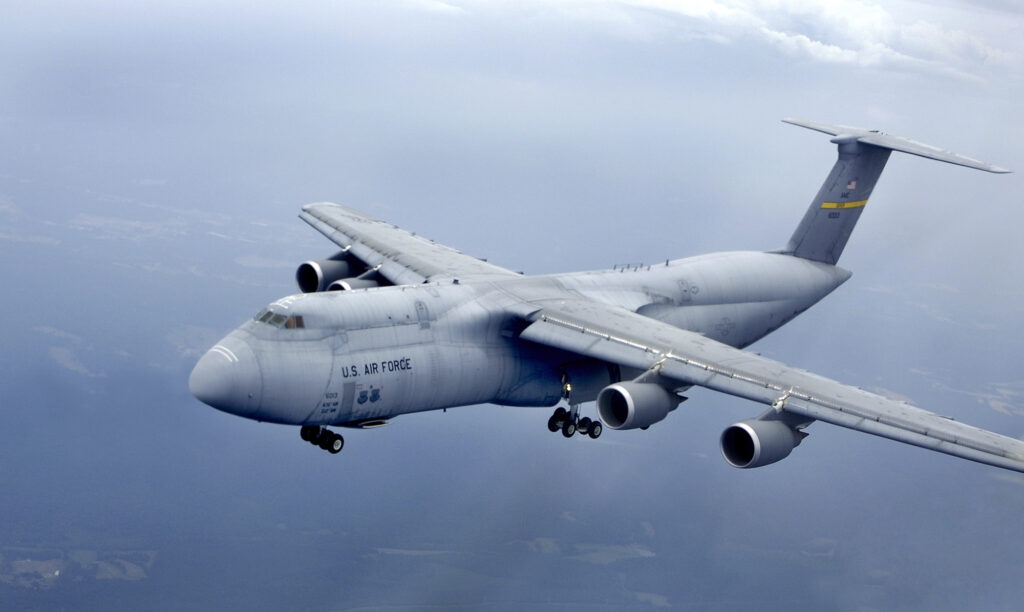
For the United States Air Force, strength means logistical dominance. The Lockheed C-5 Galaxy is one of the largest military aircraft in the world, designed to carry combat-ready military units and oversized cargo to any continent.
The C-5 is built for brute strength functionality. Both its nose and tail open, allowing for drive-through loading. It can carry two M1 Abrams tanks or six Apache helicopters at once. Its strength lies in its reinforced airframe, designed to operate from relatively short runways despite its massive size.
3. The SR-71 Blackbird
Strength isn't always about weight. sometimes, it’s about surviving the impossible. The Lockheed SR-71 Blackbird is arguably the structurally strongest aircraft ever built relative to its environment.
Flying at speeds exceeding Mach 3.2 (over 2,200 mph), the airframe of the Blackbird would heat up to over 600°F (315°C) due to air friction. To survive this, the aircraft was built almost entirely of titanium. The panels were designed to be loose on the ground (they actually leaked fuel!) and would only tighten and seal as the metal expanded due to the intense heat of high-speed flight. This is a unique form of dynamic strength that no other aircraft has ever replicated.
4. Stratolaunch Roc
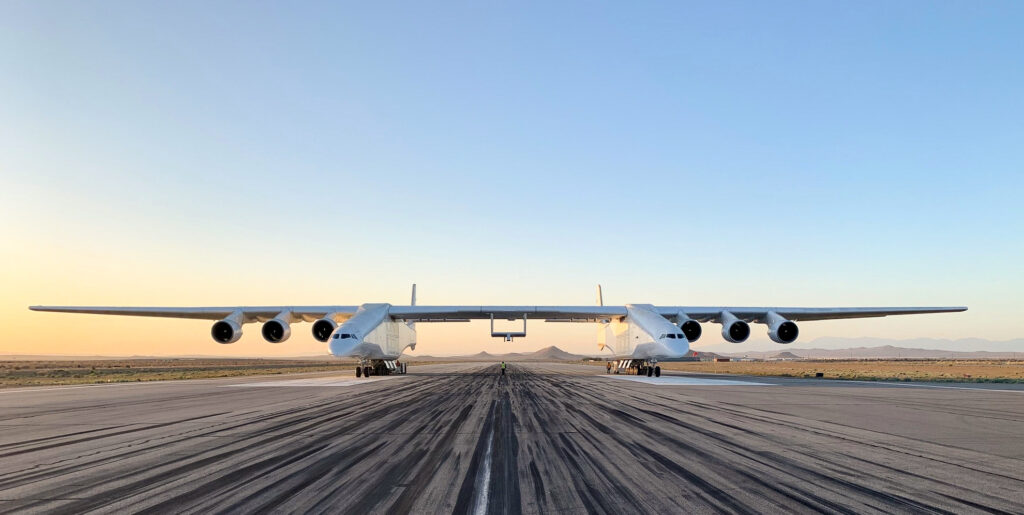
When you look at the Stratolaunch Roc, you might think you’re seeing double. Featuring a twin-fuselage design and the longest wingspan of any aircraft in history (385 feet), the Roc is designed to be a mobile launch platform for hypersonic vehicles and rockets.
There’s more to life than simply increasing its speed.
By Udaipur Freelancer
The Roc represents the strength of leverage. Its massive carbon-fiber wingspan must support the weight of a rocket suspended between the two fuselages. It uses six Boeing 747 engines to get its massive frame into the air, proving that modern composite materials are just as strong if not stronger than the heavy steels and aluminums of the past.
5. B-52 Stratofortress
True strength is also measured by durability. The Boeing B-52 Stratofortress has been in service since the 1950s and is projected to fly into the 2050s. That is an incredible 100-year lifespan.
The B-52’s airframe is legendary for its ruggedness. It was designed during the Cold War to carry nuclear weapons and withstand the shockwaves of nearby blasts. Its ability to be modernized, re-engined, and kept in the air for a century makes it the strongest aircraft in terms of longevity and operational reliability.
How Aerospace Engineering Defines Strong
To understand how these aircraft stay in one piece, we have to look at the materials used:
Titanium Alloys: Used in high-heat environments (like the SR-71) because it maintains its strength at temperatures that would melt aluminum.
Carbon Fiber Composites: Used in the Stratolaunch and modern Boeings. These materials offer a high strength-to-weight ratio, allowing planes to be bigger without becoming too heavy to fly.
Advanced Avionics: Modern strength is also digital. Fly-by-wire systems allow pilots to push strong aircraft to their limits without overstressing the airframe.
The Future of Heavy Lift
As we look toward the future, the strongest aircraft will likely be sustainable. Companies are looking into hydrogen-powered cargo lifters and Blended Wing Body (BWB) designs that distribute stress more evenly across the aircraft, allowing for even larger payloads than the An-225 could dream of.
Conclusion: The Legacy of Strength
From the record-breaking payload of the An-225 Mriya to the heat-defying titanium skin of the SR-71, the strongest aircraft ever to take flight are more than just machines they are monuments to human ingenuity. They represent our refusal to be grounded by gravity and our desire to lift the heaviest burdens to the highest altitudes.
Whether it is for global logistics, scientific research, or national defense, these titans of the sky remind us that with enough thrust and the right materials, the sky is never the limit.
Udaipur Freelancer delivers high-quality web, marketing, and design solutions. We focus on building impactful digital experiences that help your brand succeed in today's market.


















Recommended for you
Must-See Art Exhibitions Around the World This Year
The Revival of Classical Art in a Digital Age
Breaking Down the Elements of a Masterpiece Painting
The Revival of Classical Art in a Digital Age