Summer in Australia is all about sun, sand, and surf. It’s a time for hitting the beach, cooling off in the ocean, and enjoying the long, sunny days. But recently, that idyllic picture was shattered for communities along Australia's east coast when an almost unbelievable series of events unfolded. four shark attacks in just 48 hours.
The news sent a ripple of fear through coastal towns. Beaches were closed, and swimmers were warned to stay out of the water. It left everyone asking the same questions: What is going on? Are sharks suddenly becoming more aggressive?
The reality, according to experts, is a lot more complex than a simple shark frenzy. It wasn't about revenge or a sudden bloodlust. Instead, it was a classic case of a perfect storm of natural conditions that brought humans and sharks into dangerously close contact.
Let's break down what really happened.
A Shocking 48-Hour Timeline
The string of incidents was alarming, to say the least. It all happened in a very short time and in a concentrated area, which is what made it so extraordinary.
It started on a Thursday when a 12-year-old boy was bitten and rushed to the hospital with serious injuries.
The very next day, an 11-year-old on a surfboard was bitten at Dee Why beach.
Just hours later, a man was attacked at nearby Manly.
Then, on Saturday, a fourth surfer suffered a chest wound in another encounter further up the coast.
Four attacks, with three of them happening within a tiny 1.5km stretch of coastline. A shark researcher with 30 years of experience called it the "closest... series of shark bites" he had ever seen. The community was on edge, and understandably so.
The "Perfect Storm": Why Did This Happen Now?
When something like this happens, it’s easy to point the finger at the sharks. But the real culprit wasn't the sharks themselves it was the weather.
Just before the attacks, Sydney experienced its wettest January day in over 100 years. A massive amount of rain over 127mm was dumped on the city in just 24 hours. All of that freshwater had to go somewhere, and it ended up flowing straight into the ocean through rivers and storm drains.
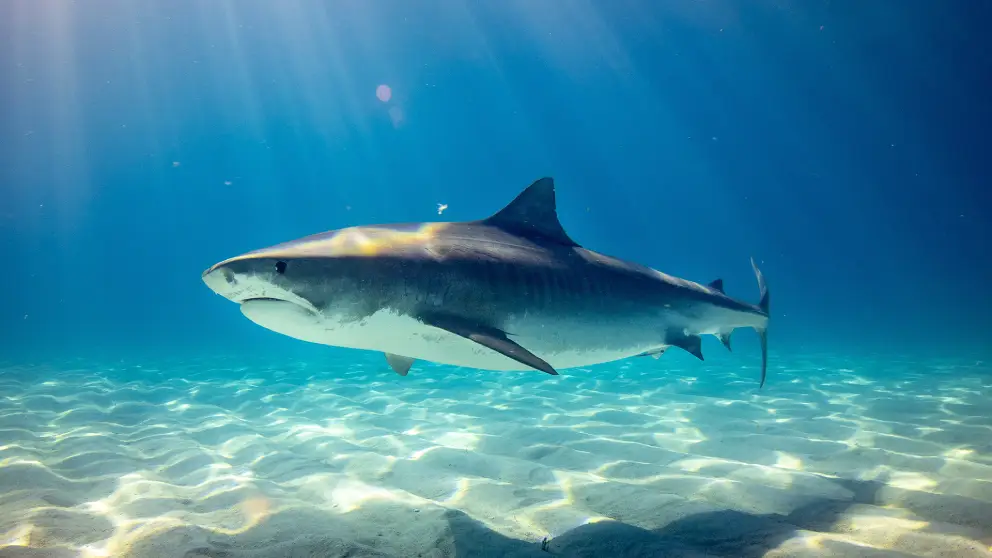
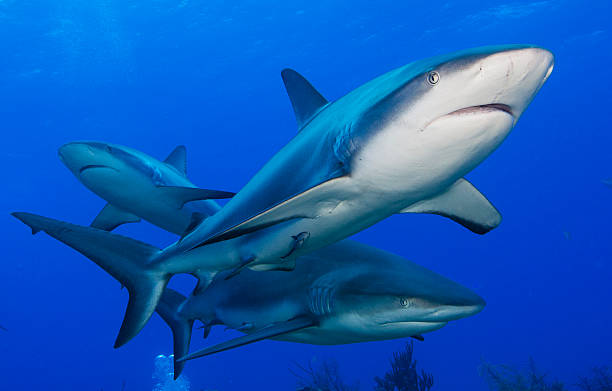
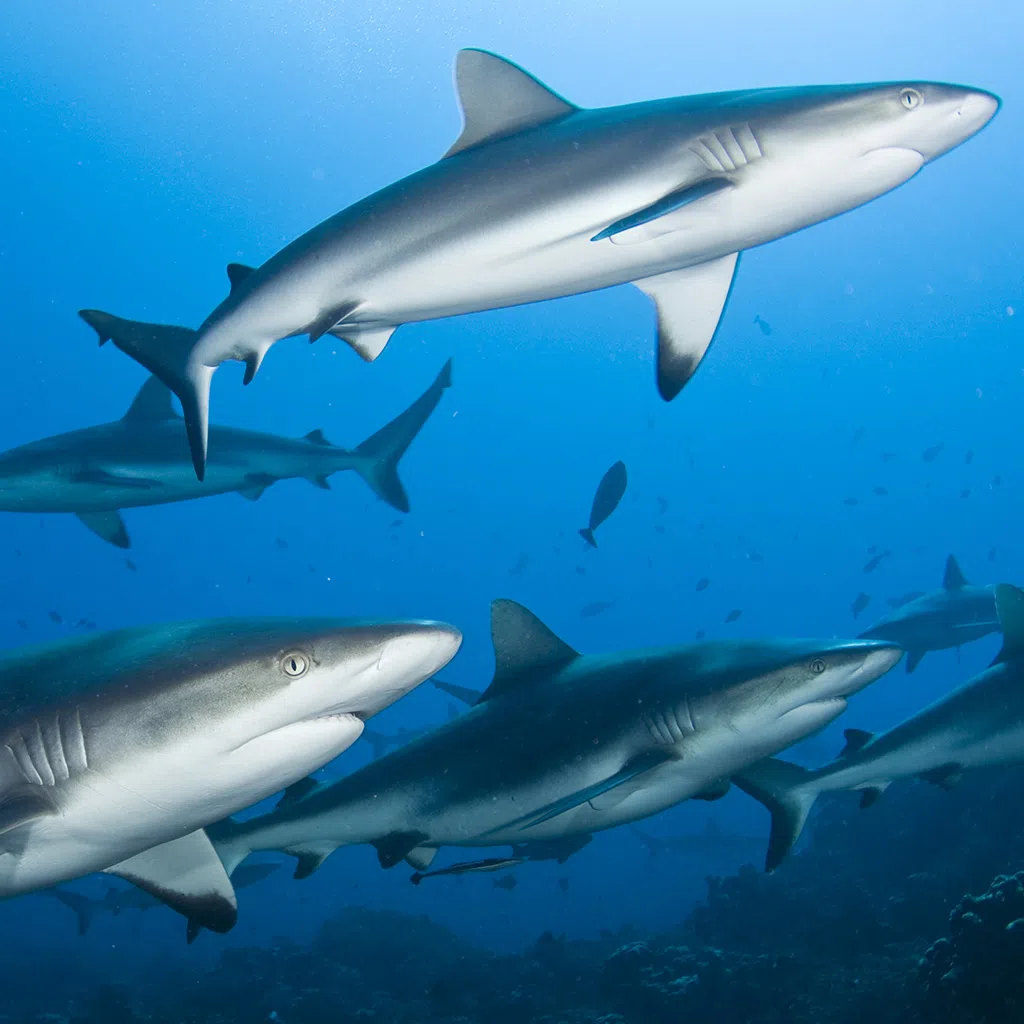
This created the perfect conditions for bull sharks, the species likely responsible for the incidents. Here’s how it works:
Sharks Love Murky Water: Bull sharks are unique because they are comfortable in both saltwater and freshwater. The heavy rain creates what’s called brackish water a murky mix of fresh and salt water that these sharks thrive in.
A Buffet for Bait Fish: The rainwater washes all sorts of things into the sea, including nutrients, sewage, and other organic matter. This creates a smelly, tasty soup that small bait fish absolutely love to feed on.
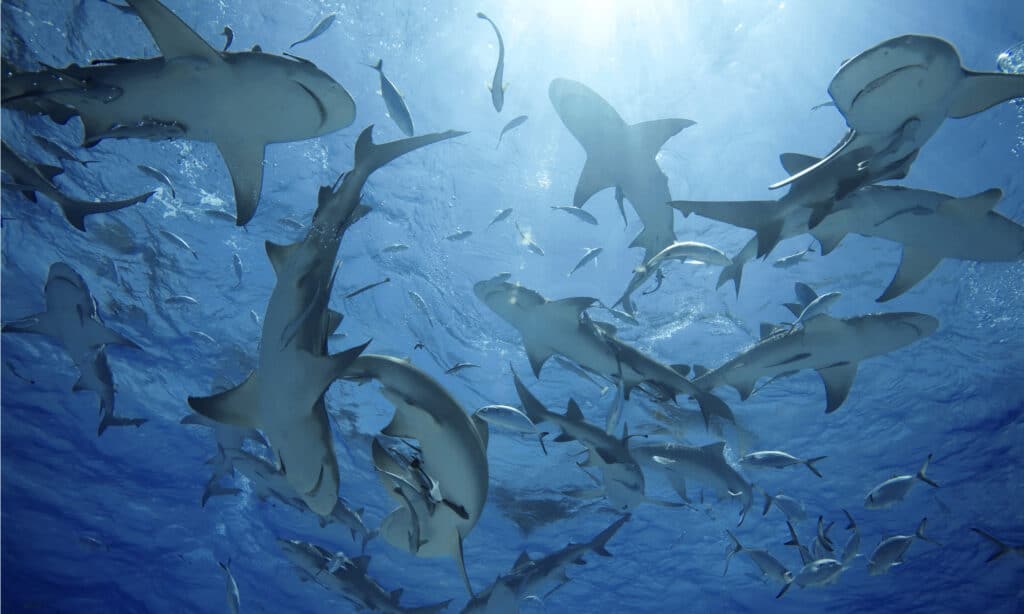
Sharks Follow the Food: Where the bait fish go, the sharks follow. A huge gathering of bait fish close to shore is like an all-you-can-eat buffet for a hungry bull shark.
So, the massive downpour essentially rang a dinner bell for sharks, drawing them very close to popular swimming and surfing beaches. It was a case of being in the wrong place at the wrong time, as people unknowingly shared the water with sharks that were there to feed on fish.
Are Shark Attacks Actually on the Rise?
This is the big question on everyone’s mind. Looking at the numbers, it seems like it. Official statistics show that the number of shark bites has gradually gone up over the last 40 years. But that doesn't mean sharks are getting more aggressive.
The real reason is simpler: there are more of us in the water.
There’s more to life than simply increasing its speed.
By Udaipur Freelancer
Think about it. Australia's coastal population has boomed. More people are swimming, surfing, paddleboarding, and kayaking than ever before. Wetsuit technology has also improved, allowing us to stay in the water for longer, even in colder months.
Essentially, we are spending more time in the sharks' natural habitat. More people in the ocean for longer periods means the chances of an encounter naturally go up. Experts say that if you look at the rate of attacks (the number of bites per person in the water), it hasn't really changed. It just feels more common because we see it more on social media and the news.
The Big Debate: Should We Cull Sharks?
After a series of attacks, there are always loud calls to do something. Often, this means shark culling using baited drumlines or nets to catch and kill sharks near popular beaches. It’s an emotional reaction born out of fear.
However, experts are almost universally against it. Scientific research has shown that culling does not make beaches safer. In fact, it can sometimes make the situation worse. The bait used on drumlines can attract more sharks to the area, and a struggling animal caught in a net can also attract predators. Culling is a knee-jerk reaction that doesn't solve the underlying problem.
How to Stay Safe and Share the Ocean
So, if culling isn't the answer, what is? The best approach is to be smarter and more aware of our surroundings. We need to shift our mindset.
An expert put it perfectly: "We've got to treat the beach like the bush."
You wouldn't go hiking in the bush without shoes or wander off the path at night. You respect that it’s a wild environment with its own risks, like snakes and spiders. We need to apply that same common sense to the ocean. It’s a wild place, not a swimming pool.
Here are a few simple tips to reduce your risk:
Avoid swimming after heavy rain. As we’ve learned, this is when the water is murky and sharks are drawn closer to shore.
Don’t swim at dawn or dusk. These are peak feeding times for many shark species.
Stay out of murky or dirty water. If you can’t see what’s around you, neither can a shark. Most bites are a case of mistaken identity.
Swim in groups and between the flags. Sharks are more likely to approach a solitary person.
At the end of the day, these incidents are a powerful reminder that when we enter the ocean, we are entering a wild habitat. It’s their home, and we are just visitors. As one expert said, "We're in the way, not on the menu." By being mindful and respectful, we can continue to enjoy the ocean while staying as safe as possible.
Udaipur Freelancer delivers high-quality web, marketing, and design solutions. We focus on building impactful digital experiences that help your brand succeed in today's market.















Recommended for you
Must-See Art Exhibitions Around the World This Year
The Revival of Classical Art in a Digital Age
Breaking Down the Elements of a Masterpiece Painting
The Revival of Classical Art in a Digital Age