If you have been keeping an eye on global news lately, you have probably noticed that tensions are flaring up again in South Asia. In a major and sudden move, the Pakistan Air Force recently carried out cross-border airstrikes inside Afghanistan.
This isn't just a minor border disagreement. These strikes have left dozens of people dead and injured, sparking massive outrage and throwing the relationship between the two neighboring countries into a tailspin.
So, what exactly is going on? Why is Pakistan bombing its neighbor, and what is Afghanistan saying about it? Let’s break down the situation into simple terms so you can understand the full story behind the headlines.
What Exactly Happened?
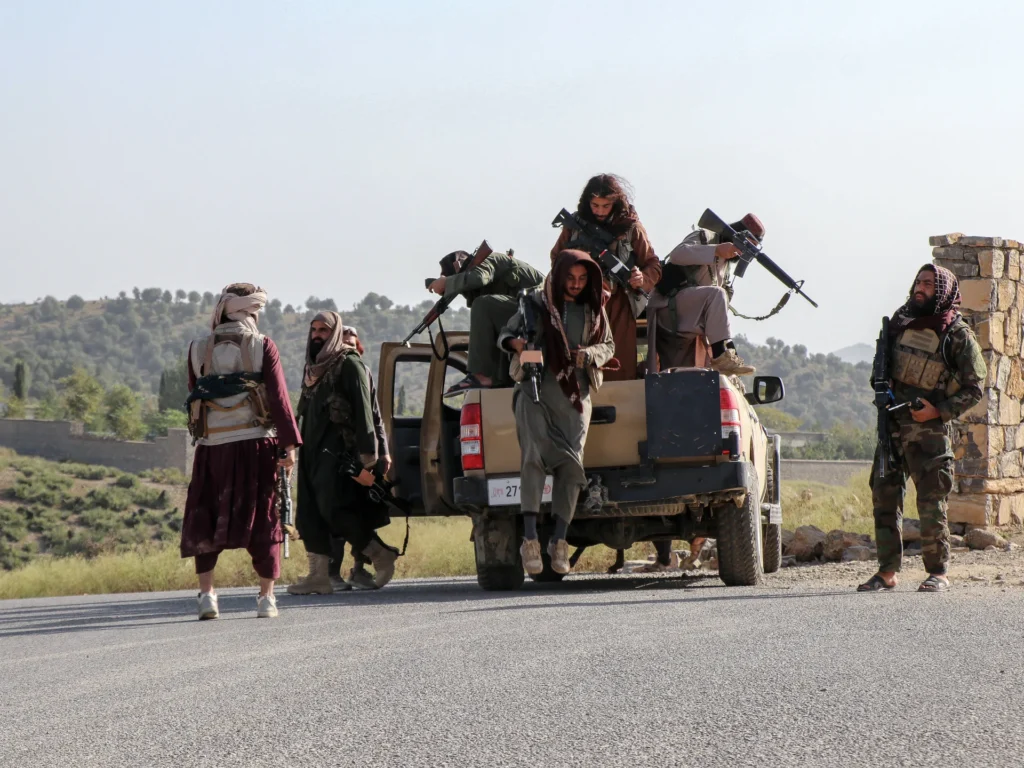
Late at night, the silence along the Pakistan-Afghanistan border was shattered. The Pakistan Air Force (PAF) launched a series of airstrikes targeting specific locations just across the border, inside Afghan territory.
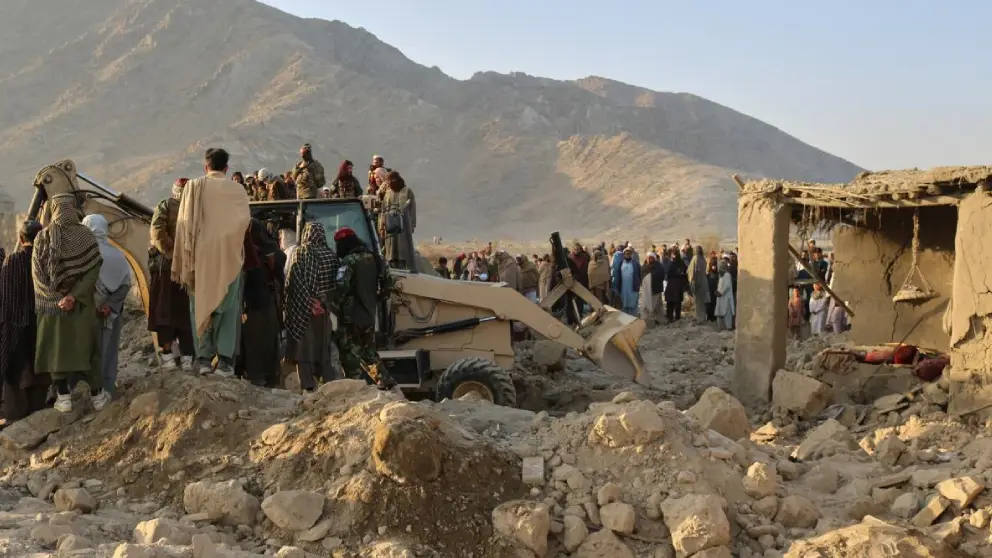
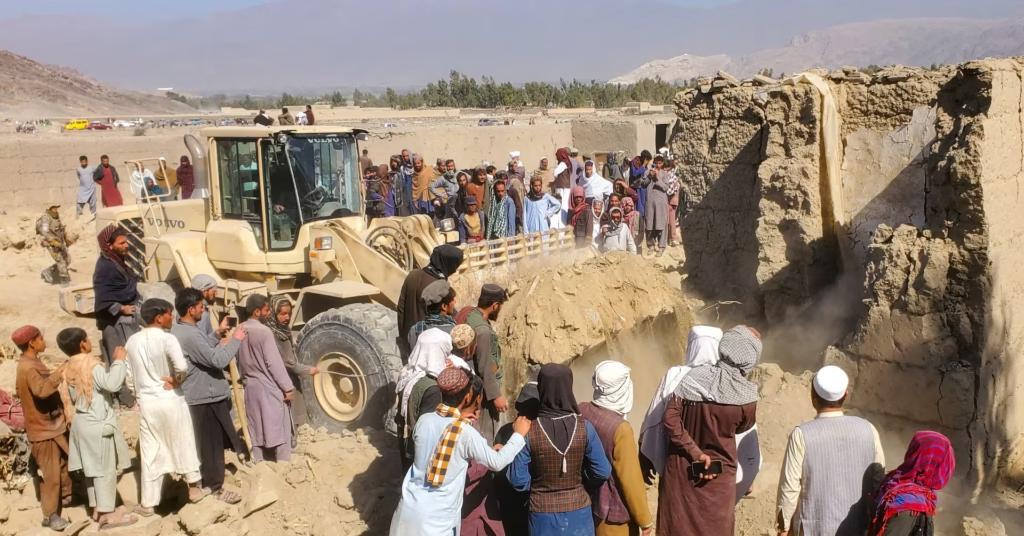
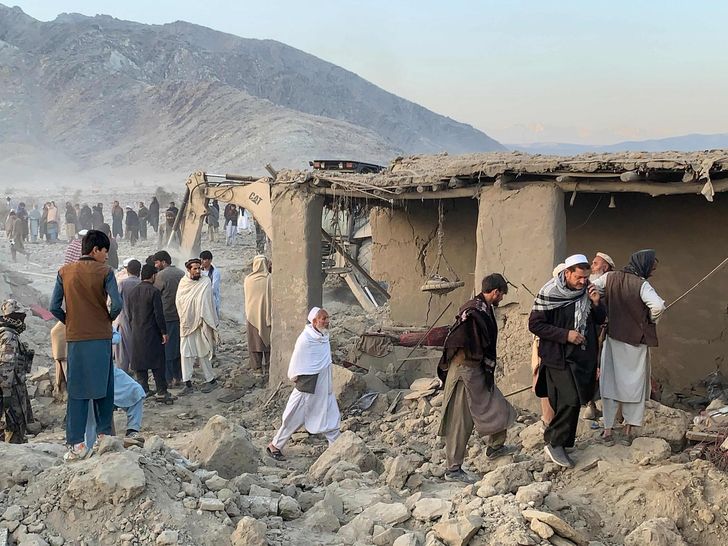
According to reports, these strikes hit residential areas located in the border region. This is a very rugged, mountainous area where the borders between the two countries blend together, making it historically difficult to monitor.
Pakistan claims these were not random attacks, but highly planned, intelligence-based strikes. They state that they were specifically aiming for hideouts and training camps used by terrorist groups who have been sneaking into Pakistan to cause harm. However, the results on the ground have caused a massive uproar.
The Tragedy on the Ground: Afghanistan's Reaction
As you can imagine, the government in Kabul, Afghanistan (currently run by the Taliban), is furious. They are painting a very different picture of who was actually hit by these bombs.
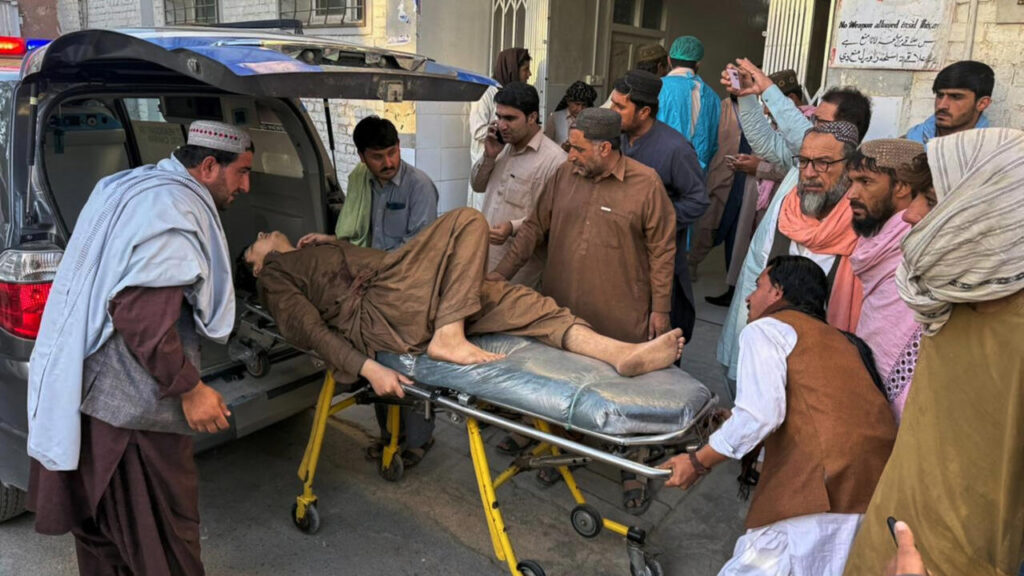
According to the Afghan government, the strikes did not just hit militant camps, they hit innocent people. They reported that dozens of people were killed and wounded in the attacks.
Zabiullah Mujahid, a key spokesperson for the Afghan government, took to the social media platform X (formerly Twitter) to condemn the attacks. He stated that Pakistani forces bombed civilian areas in two specific Afghan provinces: Nangarhar and Paktika.
The most heartbreaking part of his statement was the claim that the airstrikes ended up martyring and wounding dozens of people, including women and children. For Afghanistan, this is viewed as a direct violation of their land and a tragic loss of innocent civilian life. They are firmly denying that their soil is being used to hide terrorists.
Pakistan’s Side of the Story: A Retributive Response
To understand why Pakistan took such extreme action, we have to look at what has been happening inside their borders recently. Pakistan did not wake up one day and decide to launch airstrikes for no reason.
Pakistan's Information Minister, Attaullah Tarar, confirmed the attacks online, explaining that this was a direct reaction to a wave of violence. He pointed out that Pakistan has suffered three major terrorist attacks just since the start of the holy month of Ramadan last week.
According to Pakistani officials, they had no choice but to act. They claim the airstrikes were precision-targeted at seven specific terrorist camps. Who were they aiming for?
- The Pakistani Taliban (TTP): This is a militant group that fights against the Pakistani government. They often hide in the border regions.
- ISKP (Islamic State Khorasan Province): An incredibly violent affiliate of the Islamic State group.
The Tipping Point: The Islamabad Mosque Attack
The tipping point for Pakistan seems to be a recent, horrific attack that took place in Islamabad, the capital city. An affiliate of the Islamic State group claimed responsibility for a brutal attack on a mosque there.
The numbers from that mosque attack are staggering, 31 innocent people died, and more than 160 were injured. To put this into perspective, officials are calling this one of the deadliest attacks in Islamabad since the infamous Marriott Hotel bombing way back in 2008.
For Pakistan, the airstrikes into Afghanistan were a way to hit back at the people who planned the mosque attack. The Pakistani Army released a very strong statement calling the airstrikes a retributive response. Basically, they are saying, 'You hit our citizens, so we are taking out the camps where you planned it.'
The Blame Game: Who is Harboring Who?
At the core of this entire conflict is a massive game of pointing fingers.
There’s more to life than simply increasing its speed.
By Udaipur Freelancer
The Pakistani Army's statement made it very clear that they have been begging the Afghan Taliban to stop letting terrorists use Afghan land as a safe hiding spot. Pakistan claims that militants commit crimes in Pakistan and then run across the border into Afghanistan to hide, rest, and plan their next attack.
Pakistan says the Afghan Taliban regime has completely failed to undertake any substantive action against them. They feel ignored and frustrated, which led to the decision to send in the Air Force to do the job themselves.
On the flip side, the Taliban government in Kabul completely denies these allegations. They say they do not allow anyone to use Afghan soil to harm other countries. They view Pakistan's actions as bullying and an illegal invasion of their airspace.
A Bitter History Since 2021
To really get the full picture, we have to rewind a few years.
Back in 2021, when the Taliban swept back into power and took control of Kabul, many people thought relations between Afghanistan and Pakistan would actually improve. For years, it was believed that Pakistan had some level of influence over the Afghan Taliban.
However, the exact opposite has happened. Since 2021, the relationship between these two neighbors has deteriorated sharply. It has gone from bad to worse.
Instead of working together, they have been locked in a bitter, ongoing dispute. We have seen deadly border clashes between their security forces over the last few months. The border crossings are frequently shut down, which ruins trade and hurts regular people just trying to make a living. The trust between Islamabad and Kabul is essentially gone.
What Does This Mean for the Future?
This situation is a ticking time bomb for the region.
On one hand, Pakistan feels it has the right to defend its citizens from terrorist attacks, even if it means crossing a border to eliminate the threat. They maintain that the safety and security of their people is their absolute top priority.
On the other hand, Afghanistan feels its sovereignty is being disrespected and its innocent civilians are paying the price for a war they have nothing to do with.
When both sides feel they are 100% right, finding peace becomes incredibly difficult. These cross-border strikes have thrown fuel on an already burning fire. If things continue this way, we could see more retaliations, more border closures, and sadly, more innocent lives lost.
Final Thoughts
The conflict between Pakistan and Afghanistan over border security is messy, complicated, and deeply tragic. While politicians and generals issue statements and order strikes, it is always the everyday people the civilians living in the border towns, the worshippers in mosques, the women, and the children who suffer the most.
The world will be watching closely to see how the Afghan Taliban responds to these airstrikes, and whether Pakistan will continue these aggressive tactics to secure its borders.
What do you think about this situation? Does a country have the right to strike inside another country if they believe terrorists are hiding there, or is that a step too far? Let me know your thoughts in the comments below!













Recommended for you
Must-See Art Exhibitions Around the World This Year
The Revival of Classical Art in a Digital Age
Breaking Down the Elements of a Masterpiece Painting
The Revival of Classical Art in a Digital Age