There has been a lot of discussion recently about E20 fuel in India. Many vehicle owners expressed worries about the quality of this fuel. Some reports claimed that E20 petrol contains excess moisture and chloride contamination. Drivers worried that these issues might damage vehicle engines and lower performance. However, India's major Oil Marketing Companies (OMCs) have clearly refuted these claims. They assured the public that E20 fuel is completely safe and meets all official quality standards.
Understanding E20 Fuel
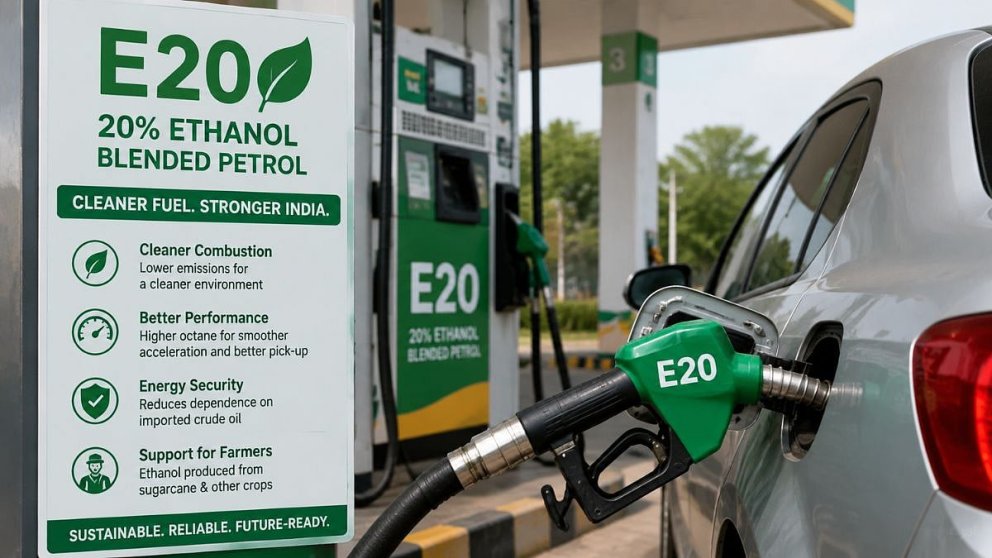
E20 fuel is a blend of 20 percent ethanol and 80 percent regular petrol. Ethanol is a renewable fuel made mostly from plant materials like sugarcane and surplus grains. Blending ethanol with petrol helps reduce reliance on imported crude oil. It also helps cut down harmful emissions coming out of vehicle exhausts.
Reducing emissions is very important, especially when major cities face heavy pollution. For instance, severe smog often triggers emergency rules, such as when Delhi air quality hits 428 forcing the return of maximum GRAP 4 restrictions. Switching to cleaner fuel blends is a big part of the plan to make city air cleaner and safer for everyone.
What Were the Concerns About E20 Fuel?
Recently, some reports suggested that E20 petrol was causing engine troubles. The main complaints focused on two things: chloride contamination and excess moisture.
Chloride in fuel can lead to rust and damage in metal engine parts. Water or excess moisture in fuel can cause engine misfires, rust inside the fuel tank, and poor overall vehicle performance. Because ethanol can absorb water, many drivers feared that E20 petrol was bringing unwanted moisture directly into their fuel tanks.
How Oil Companies Responded
Major Oil Marketing Companies, including Indian Oil, Bharat Petroleum, and Hindustan Petroleum, issued a clear statement. They clarified that E20 fuel sold across the country strictly follows quality norms set by the Bureau of Indian Standards (BIS).
The companies explained that ethanol undergoes strict quality checks before it is mixed with petrol. Chloride levels are carefully checked at supply depots. Also, testing is carried out at multiple steps—from refineries to fuel pumps—to make sure no excess moisture enters the fuel system.
Daily Safety and Quality Checks
OMCs highlighted that underground fuel tanks at retail stations are inspected regularly for any water presence. Operators use special water-finding pastes and automatic sensors to inspect fuel tanks every single day. If any water is found, fuel sales from that tank are stopped right away until it is cleaned.
They also noted that modern cars built in recent years are fully designed to run smoothly on E20 fuel. While very old cars might need basic maintenance, the fuel itself sold at stations is safe and tested.
The Bigger Energy Transition
India is working hard to adopt cleaner energy solutions across many industries. From renewable power to electric vehicles and ethanol blends, the goal is to cut carbon pollution. This fits into broader international goals, similar to how countries work together on critical minerals in initiatives like the India Indonesia nickel diplomacy energy transition.
There’s more to life than simply increasing its speed.
By Udaipur Freelancer
Ethanol blending supports local farmers by creating demand for crops while keeping the air cleaner. By ensuring E20 fuel is safe and reliable, oil companies aim to build strong public trust in green energy choices.
Simple Tips for Car Owners
Even though E20 fuel is thoroughly tested, simple maintenance is always good for your vehicle. Here are a few easy tips:
1. Buy fuel from trusted and recognized petrol pumps.
2. Ensure your vehicle fuel cap is closed tightly to stop rainwater from getting inside.
3. Service your car on time and check the fuel filter during regular maintenance.
4. If you drive a very old model, ask your mechanic if any rubber fuel lines need upgrading.
Final Words
The clarification from Oil Marketing Companies gives peace of mind to vehicle owners. E20 fuel is tested, safe, and free from dangerous chloride or excess moisture. As the country moves towards cleaner energy, relying on clear facts helps every driver travel with confidence.














Recommended for you
Must-See Art Exhibitions Around the World This Year
The Revival of Classical Art in a Digital Age
Breaking Down the Elements of a Masterpiece Painting
The Revival of Classical Art in a Digital Age