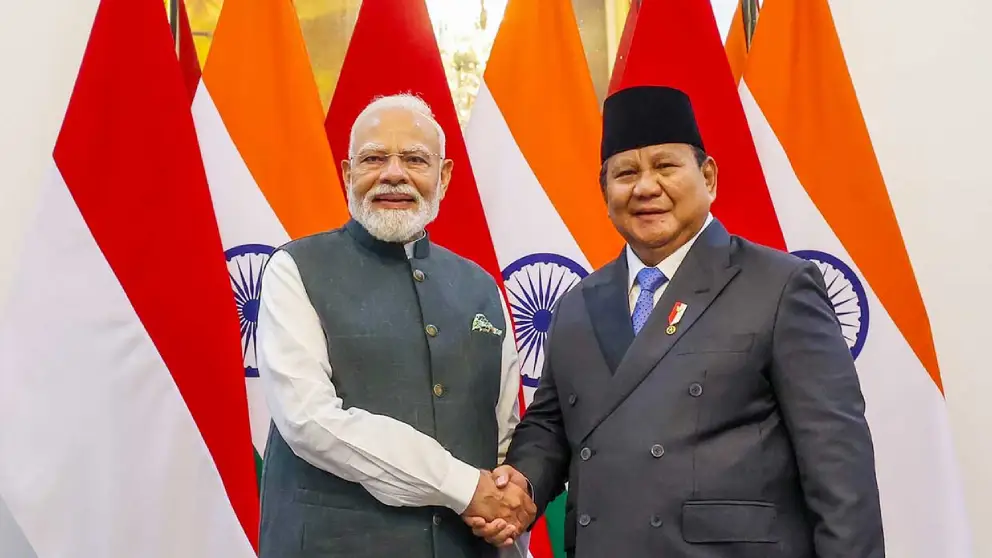
Prime Minister Narendra Modi’s upcoming visit to Indonesia is more than just a diplomatic trip; it is a vital step toward securing India’s energy future. As India pushes hard to transition to electric mobility and clean energy, the demand for critical minerals specifically nickel has skyrocketed. Indonesia, which holds the world’s largest reserves of nickel, has become the center of the global clean energy supply chain.
The Race for Critical Minerals
The future of clean energy relies as much on factories that process minerals as it does on car factories. Currently, Chinese investment has a very strong hold on the processing plants in Indonesia. If India wants to be a leader in the global EV market, it must act quickly. Experts suggest India has only a few years to build a real presence in Indonesia’s value chain. This visit is the perfect time to open doors for joint ventures, equity investments, and mineral-processing partnerships. Just as people look to how technology is redefining personal finance, India must use modern strategy to secure these resources.
A Strategic Friendship
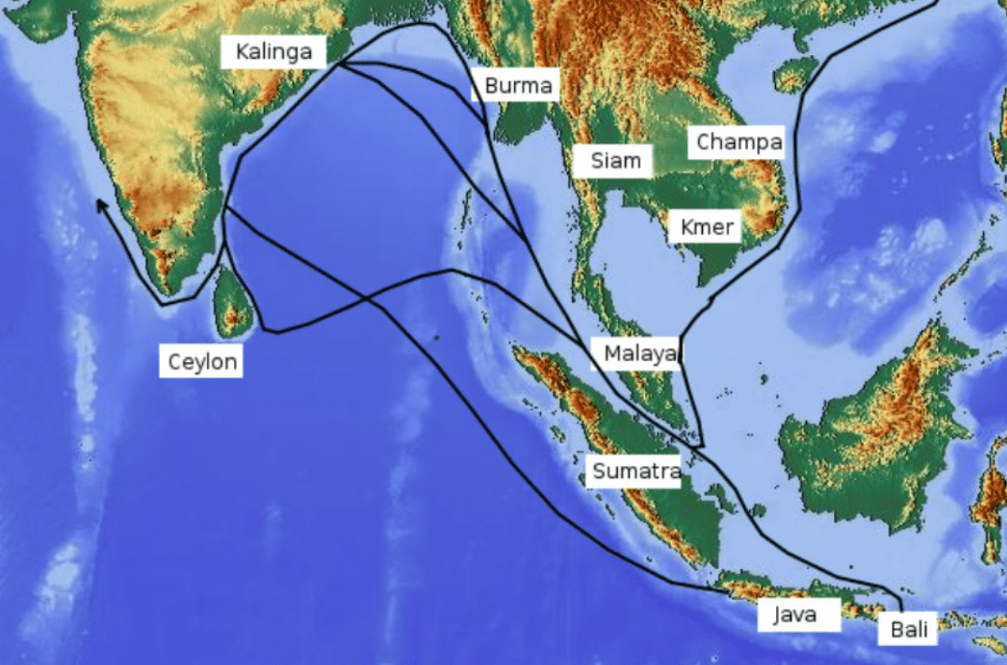
India and Indonesia share a long history of friendship, stretching back to ancient cultural ties in Bali and Sumatra. Today, this relationship is about modern stability. Both nations are key players in the Indo-Pacific region and share a deep interest in keeping maritime trade routes open. With shared boundaries in the Andaman Sea, cooperation on defense and security is not just an option—it is a necessity. There is even talk of potential defense deals, such as the sale of BrahMos missiles, which would help Indonesia protect its territory while showing that India is a reliable security partner.
Beyond Minerals: Building Connectivity
While minerals are the long-term goal, the two nations are also focusing on healthcare, space, and digital infrastructure. Economic ties are currently far below their potential, with a goal to reach $100 billion in trade by 2030. To get there, the two countries need better connectivity. This includes more direct flights, better shipping links, and easier visa rules to boost tourism and business travel. Much like we see in India’s political landscape, the bilateral relationship requires a shift in approach to stay relevant in a fast-changing world.
There’s more to life than simply increasing its speed.
By Udaipur Freelancer
A Shared Responsibility
The strategic backdrop of this visit is the growing importance of maritime security. As both countries look toward a stable Indo-Pacific, their collaboration is essential. By working together through platforms like the G20 and the Indian Ocean Rim Association, India and Indonesia can protect their interests and promote regional growth. Prime Minister Modi’s visit signals that India is ready to take its relationship with its largest maritime neighbor to the next level. By focusing on critical minerals and shared security, both nations can ensure a cleaner, safer, and more prosperous future for their citizens.
Udaipur Freelancer delivers high-quality web, marketing, and design solutions. We focus on building impactful digital experiences that help your brand succeed in today's market.












Recommended for you
Must-See Art Exhibitions Around the World This Year
The Revival of Classical Art in a Digital Age
Breaking Down the Elements of a Masterpiece Painting
The Revival of Classical Art in a Digital Age