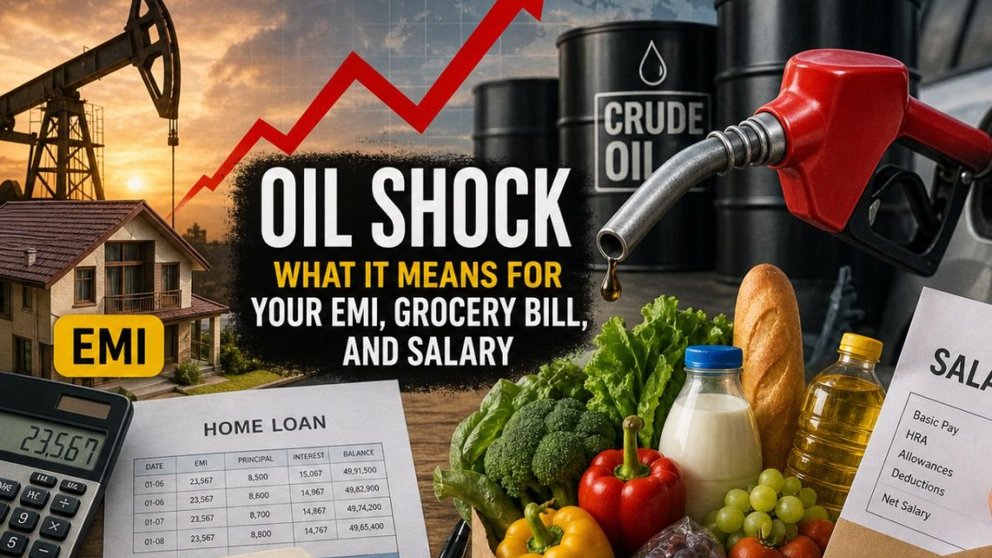
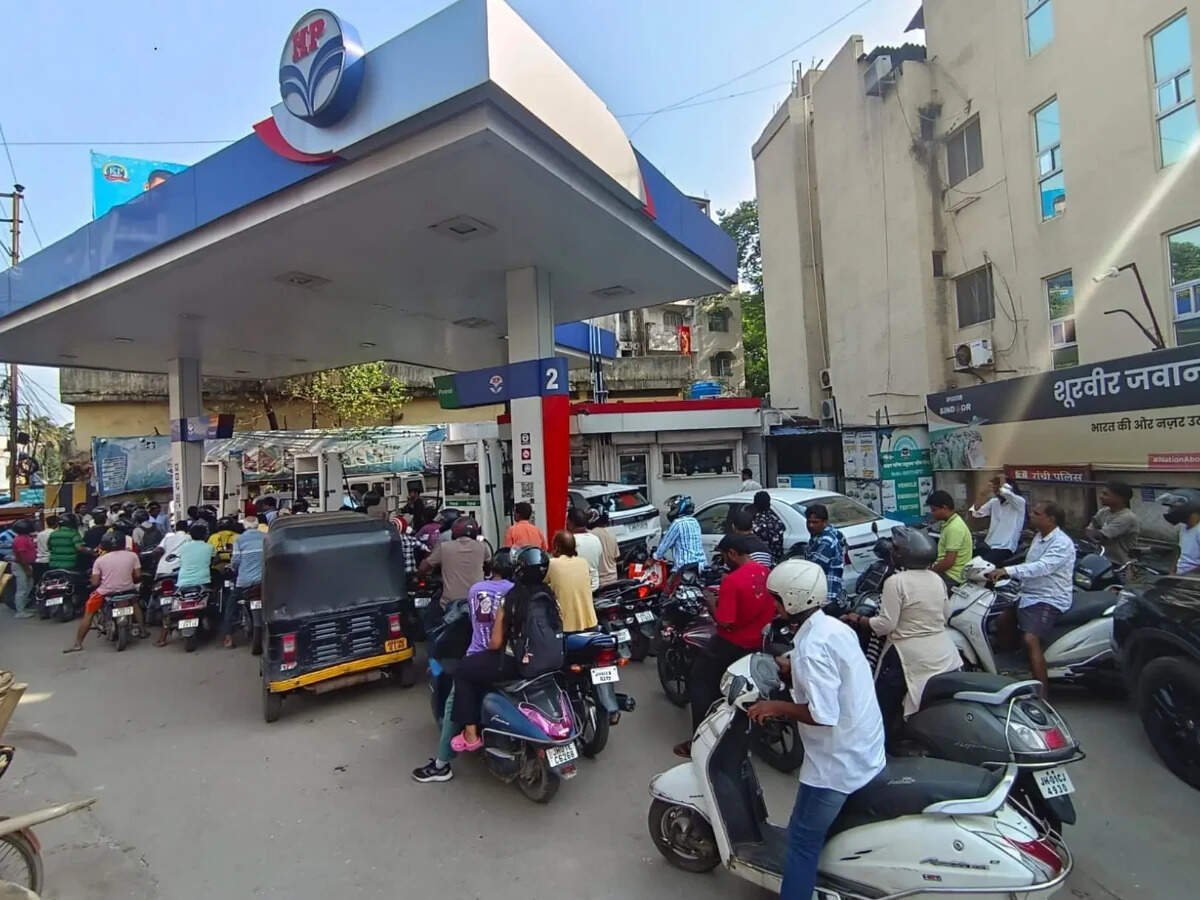
After almost four years, Indian citizens are seeing a significant jump in petrol and diesel prices. This past Friday, fuel costs went up by about Rs 3 per litre, a move that directly hits our pockets and signals a much broader economic ripple effect. For many, this isn't just about paying a little more at the pump; it’s a warning sign of what else could get costlier in the days and months ahead.
Why the Sudden Jump? Understanding the Global Connect
This isn't just a random increase. The world stage, particularly ongoing tensions in West Asia, has pushed global crude oil prices way up. India, being a major importer of crude oil, feels this pressure intensely. Our state-run oil companies have been struggling to cope with these rising international costs, making the hike almost unavoidable. Prime Minister Narendra Modi had already urged citizens to reduce fuel consumption to help ease India’s huge import bill, but the ground reality of expensive and uncertain oil supply meant a price correction was needed.
As Rahul Ahluwalia, Founder-Director of the Foundation for Economic Development, rightly pointed out to IndiaToday.in, “The fuel price hike was very important. The ground reality is that oil supply has become more expensive and uncertain.” This statement highlights the tough spot our economy finds itself in, balancing global pressures with domestic needs.
Beyond the Pump: The Ripple Effect Begins
While the immediate sting is felt at the petrol pump, economists warn that the true impact of rising fuel prices spreads far wider. This isn't just about your car's tank; it's about almost everything you buy and use daily. This hike is like the first domino falling, setting off a chain reaction that will touch everything from your morning commute to your monthly grocery bill.
Your Daily Commute Just Got Pricier
The most immediate and noticeable pressure will be on transportation costs. If you use a car or bike, your daily commuting expenses will naturally increase. But it’s not just private vehicles. Higher diesel prices directly impact buses, cabs, and the massive trucking networks that crisscross our country. This means you can expect to pay more for your bus tickets, auto-rickshaw rides, and even app-based cab fares in the coming days. If these elevated fuel prices stick around for a while, these increased charges could become the new normal.
The Kitchen Budget Squeeze: Food Costs on the Rise
This is where the impact gets truly personal for every household. India's vast food supply relies heavily on road transport. From the fresh vegetables in your local mandi to the grains and milk delivered to your doorstep, almost everything travels on diesel-powered trucks. When diesel prices go up, so do the costs for these transporters. These added expenses are then passed on down the line, eventually reaching you, the consumer.
This means your kitchen budget could come under serious pressure. Expect to see higher prices for everyday essentials like fruits, vegetables, milk, pulses, and even packaged foods. Even simple, healthy choices, like considering why a banana is the best way to start your day, will now feel the pinch of increased transport costs to reach your fruit vendor. This widespread effect on food prices can strain household budgets, especially for families already managing tight finances.
There’s more to life than simply increasing its speed.
By Udaipur Freelancer
Online Shopping and Deliveries: Expect Changes
Our reliance on online shopping and quick deliveries has grown tremendously. Whether it's groceries, electronics, or clothes, getting items delivered to our homes involves a complex logistical chain powered by fuel. Higher fuel costs mean higher operational costs for e-commerce companies and delivery services. This could translate into increased delivery charges, minimum order requirements for free delivery, or slightly higher product prices to cover the added shipping expenses. So, your online shopping cart might just get a little heavier on your wallet too.
The Bigger Picture: Your Monthly Household Spending
When you add up the increased costs of commuting, food, and deliveries, the overall impact on your monthly household spending becomes clear. Every rupee added to fuel trickles down and accumulates, affecting almost every category of expenditure. For many families, this means having to re-evaluate budgets, cut back on discretionary spending, or look for ways to save elsewhere. This added financial burden can create broader economic anxieties, especially for young people navigating their careers and futures, a situation that sometimes mirrors the broader discussions around youth crisis and economic challenges faced by the younger generation.
What Lies Ahead?
And here's the tough part: experts warn that this latest fuel price hike might not be the last. If the crude oil crisis linked to the West Asia conflict worsens, we could see petrol and diesel prices continue to climb in the coming days and even months. This uncertainty makes it even more crucial for households to be prepared for potential further increases.
Staying Prepared in Changing Times
While we can't control global oil markets or international conflicts, understanding these economic forces helps us plan better. Being aware of how rising fuel prices affect everything from our travel to our kitchen budgets is the first step. It's a time to be mindful of our spending, look for efficient ways to commute, and prepare our household budgets for what could be a period of higher costs. The recent fuel price hike is a stark reminder of how interconnected our local economies are with global events, and how quickly these events can impact our daily lives.
Udaipur Freelancer delivers high-quality web, marketing, and design solutions. We focus on building impactful digital experiences that help your brand succeed in today's market.
















Recommended for you
Must-See Art Exhibitions Around the World This Year
The Revival of Classical Art in a Digital Age
Breaking Down the Elements of a Masterpiece Painting
The Revival of Classical Art in a Digital Age