Have you heard about the state government’s ‘Ladki Bahin’ scheme? It’s been a game-changer for many women across Maharashtra, offering direct financial help. Now, get ready for another big step towards supporting women in our state, specifically in Mumbai! The Brihanmumbai Municipal Corporation (BMC) has just proposed its own version, aiming to bring much-needed relief to women working tirelessly in Mumbai’s informal sector. This exciting new initiative is called ‘Swabhiman Nidhi’ – a name that truly captures its spirit of dignity and self-reliance.
What is Swabhiman Nidhi and Who Does it Help?
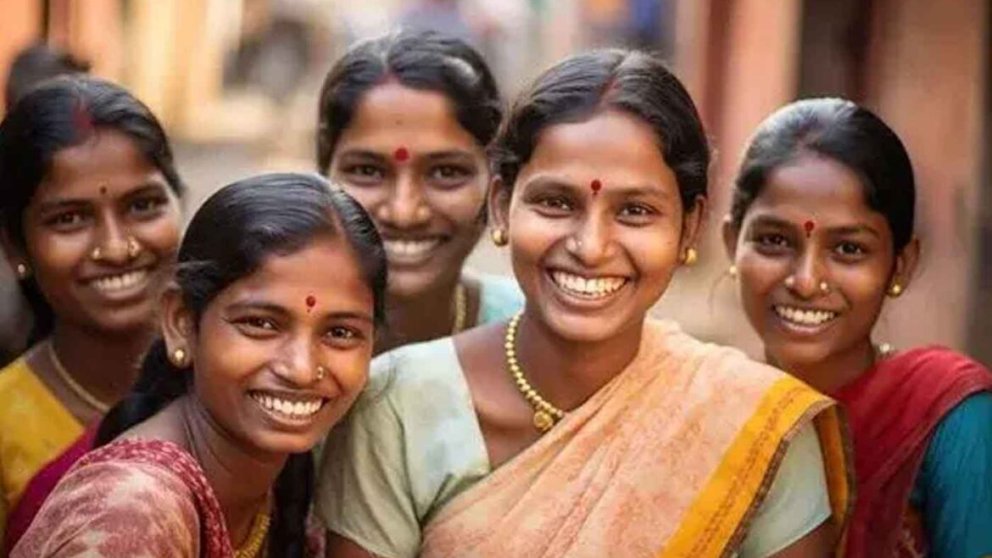
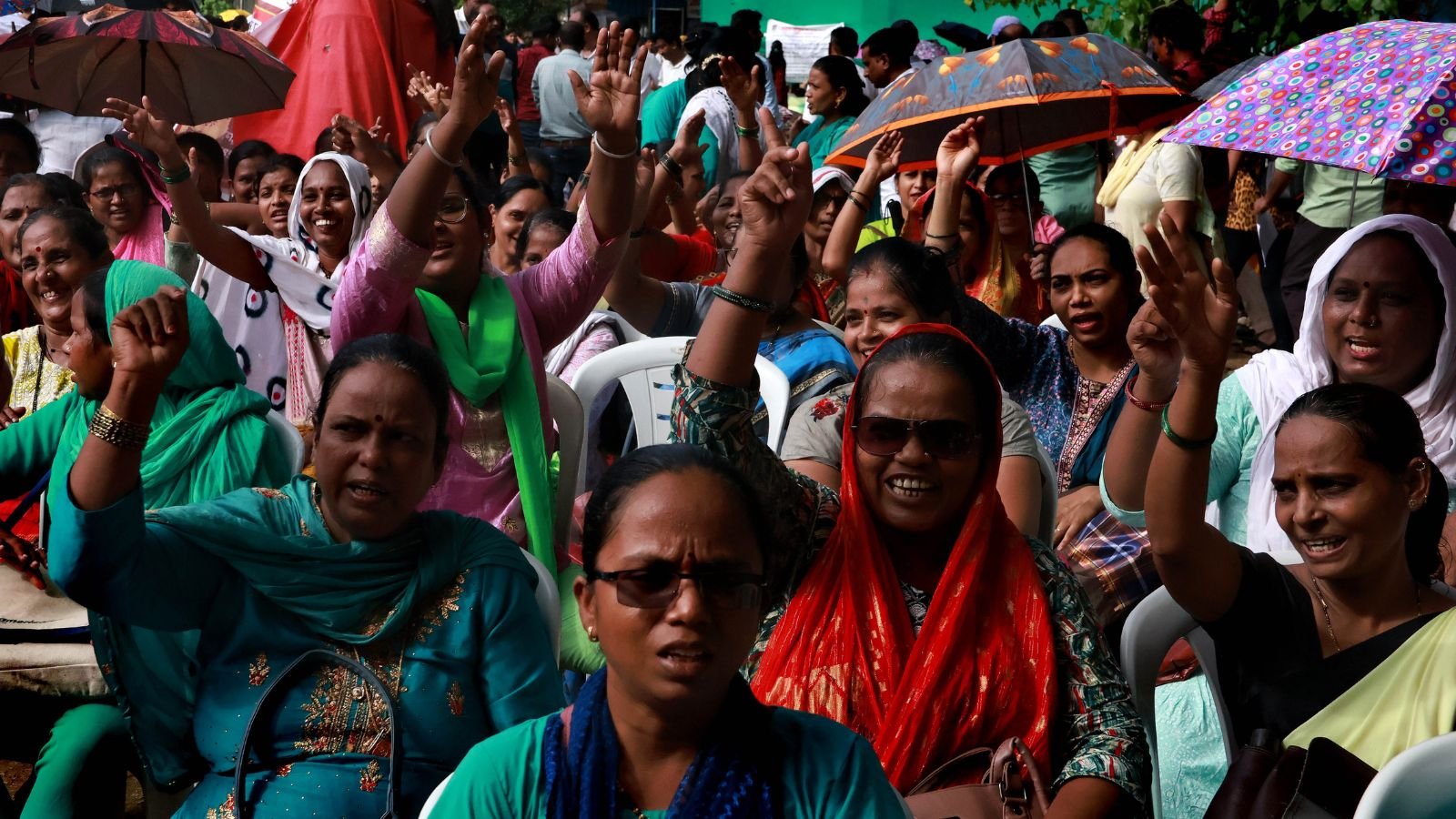
Imagine the countless women who work as domestic helpers, cooks, and in other vital but often overlooked roles. These women are the backbone of many Mumbai households, yet they rarely have the safety net that formal employment provides. The proposed ‘Swabhiman Nidhi’ scheme is designed specifically for them. It plans to offer eligible beneficiaries a monthly financial assistance of Rs 1,500 to Rs 2,000. This might not sound like a fortune, but for women struggling paycheck to paycheck, it can be a lifeline.
The BMC believes this scheme could reach up to five lakh women in Mumbai. To put that into perspective, that's half a million women whose lives could be made a little easier, a little more secure. Of course, such a massive undertaking comes with a cost – an estimated Rs 75-100 crore added to the civic body’s monthly spending. But many would argue that investing in the well-being of these essential workers is an investment in the city itself.
Why is This Scheme So Important Right Now?
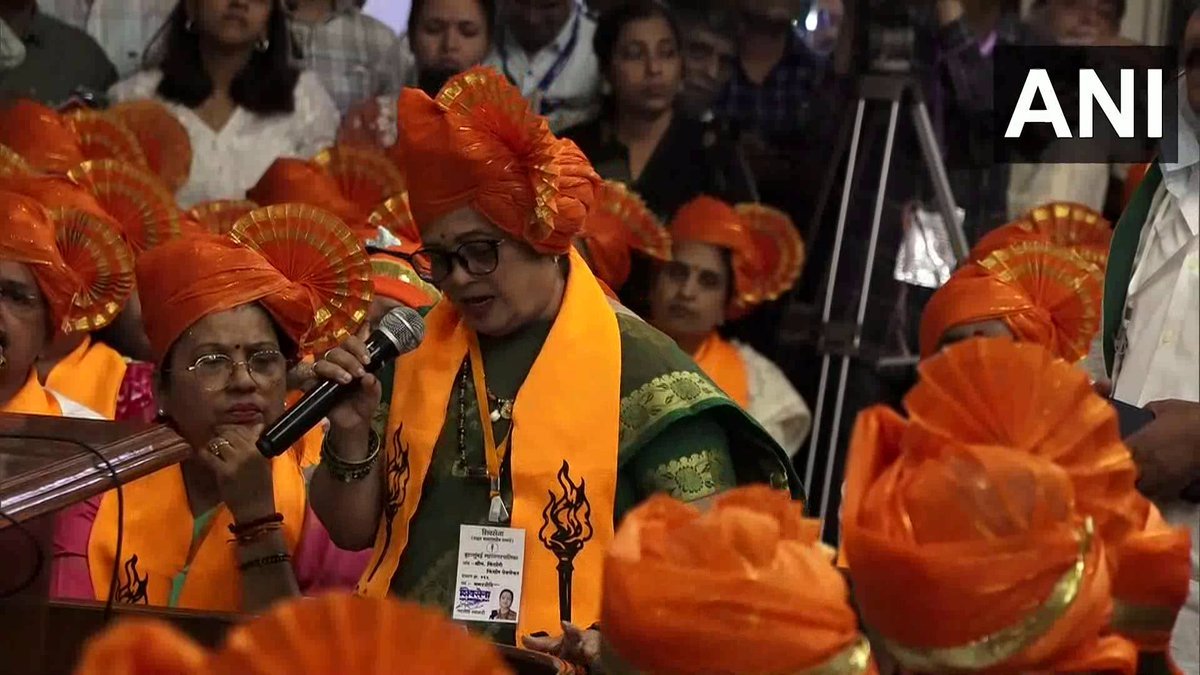
The women targeted by ‘Swabhiman Nidhi’ often face immense challenges. They carry the heavy burden of supporting their families, ensuring their children get an education, all while earning modest incomes. What happens when they fall ill? What about old age, when their physical strength starts to fade? Or a sudden financial emergency that can push them over the edge? As Kishori Pednekar, a Shiv Sena (UBT) corporator, wisely pointed out in her letter, "Illness, old age and sudden financial emergencies often push them into precarious situations as most of them do not have any form of social security or assistance."
This lack of social security means a minor health issue can quickly become a major crisis, impacting not just their ability to work but also their overall well-being. Financial stress can also take a huge toll on mental health, sometimes even leading to issues like unmanageable anxiety. This scheme aims to provide a much-needed safety net, offering a bit of stability in an otherwise unstable world.
A Rare Display of Political Unity
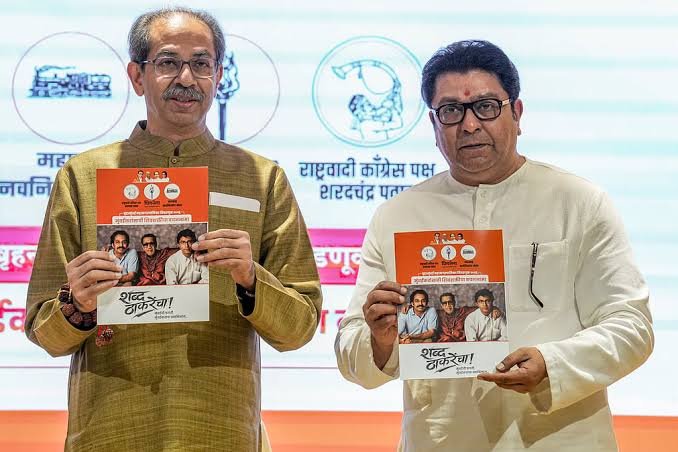
What makes this proposal even more interesting is its journey through the political landscape. It actually started as part of the Shiv Sena (UBT)’s election promises for the January BMC elections. However, it has since gained surprising support from the BJP-led ruling side, the Mahayuti, which holds the majority in the civic body. This kind of bipartisan backing is quite rare and shows a shared understanding of the critical need to support these workers.
The proposal was officially moved by Kishori Pednekar and then endorsed by BJP corporator Ganesh Khankar, who is the Leader of the House. He recommended that the BMC administration look into making sure funds are available for the scheme. This smooth sailing through political divides signals a strong possibility that 'Swabhiman Nidhi' could soon become a reality.
How Does it Compare to the State’s Ladki Bahin Scheme?
While inspired by the state government’s ‘Mukhyamantri Majhi Ladki Bahin Yojana,’ the BMC’s ‘Swabhiman Nidhi’ has some key differences. The state scheme, launched in 2024, gives eligible women Rs 1,500 monthly and currently helps around 1.7 crore beneficiaries, costing the state about Rs 2,500 crore each month. It's a broad scheme with a wide reach.
There’s more to life than simply increasing its speed.
By Udaipur Freelancer
The BMC's proposal, however, is much more focused. It targets women specifically employed in the informal sector, like domestic workers and cooks. Another important distinction is that ‘Swabhiman Nidhi’ would not have an upper age limit for eligibility. This means older women, who often find it hardest to secure stable work and face even greater financial insecurity, would still be able to benefit. This thoughtful detail ensures that help reaches those who need it most, regardless of their age.
What Happens Next? The Road to Implementation
The proposal has now been sent to the state government for its final approval. If the state gives its nod, the BMC will swing into action. Their plan involves conducting a thorough survey through its 26 ward offices across Mumbai to identify and register eligible beneficiaries. Officials have indicated that only registered domestic workers would be eligible, which makes sense to ensure the aid goes to those truly in need.
To make sure the right people get the help, several verification methods are being considered. The E-Shram database, which holds records of unorganised workers, will likely be the main tool. For those not yet registered, enrolment might become mandatory. Also, local ward offices could ask housing societies to confirm that an applicant is indeed employed as a domestic worker. Even NGOs and self-help groups that work closely with these women might be brought in to help with the verification process, ensuring accuracy and reaching out to the community effectively.
A Brighter Future for Mumbai’s Women?
If approved, 'Swabhiman Nidhi' could truly change the lives of thousands of women, bringing them a step closer to financial stability and dignity. It's a progressive step that reflects Mumbai's commitment to its most vulnerable residents. By providing a safety net, it helps these women secure not just their present but also build a better future for their families in one of the best Indian cities to live.
We eagerly await the state government’s decision on this promising initiative. Here's hoping that 'Swabhiman Nidhi' gets the green light and starts empowering Mumbai’s hardworking women very soon!
Udaipur Freelancer delivers high-quality web, marketing, and design solutions. We focus on building impactful digital experiences that help your brand succeed in today's market.















Recommended for you
Must-See Art Exhibitions Around the World This Year
The Revival of Classical Art in a Digital Age
Breaking Down the Elements of a Masterpiece Painting
The Revival of Classical Art in a Digital Age