Delhi is one of the biggest and busiest cities in the world. But with a huge population comes a massive challenge: managing daily waste. Every single day, the capital city generates nearly 13,500 metric tonnes of solid waste. For many years, the city has struggled to process all this garbage. As a result, huge mountains of waste have formed at landfill sites, causing pollution and health worries for residents.
To solve this big problem, the Municipal Corporation of Delhi (MCD) has taken a major step forward. MCD has signed a special agreement, known as a Memorandum of Understanding (MoU), with Oil India Limited (OIL). Under this agreement, two new plants will be built to convert 800 tonnes of wet waste per day into clean energy and natural fertilizer. This project aims to make the city cleaner, reduce landfill waste, and produce green energy for the public.
What is the New Waste-to-Energy Project?
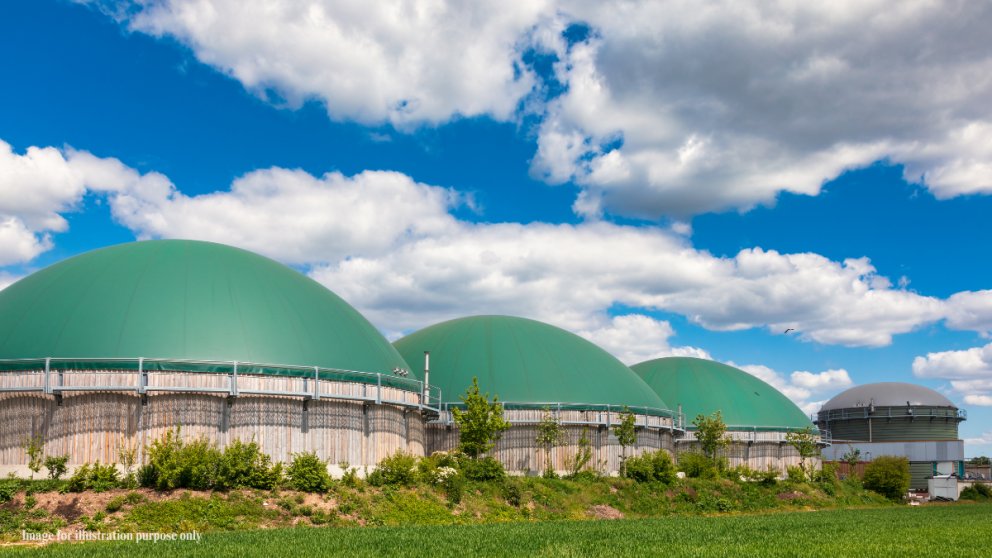
The new partnership focuses on using bio-methanation technology. This process takes organic or wet waste—like food scraps, kitchen waste, and vegetable market leftover material—and breaks it down naturally. During this process, compressed bio-gas (CBG) and rich organic fertilizers are created. Instead of rotting in open dumps and spreading bad smells, the wet waste becomes a valuable resource.
The signing ceremony took place in the presence of key leaders, including Delhi CM Rekha Gupta, Mayor Pravesh Wahi, MCD Commissioner Sanjeev Khirwar, and Oil India Chairman and MD Dr. Ranjit Rath. This initiative shows how local authorities and government enterprises can come together to tackle tough urban challenges. Improving clean energy infrastructure is essential for prioritizing ease and wellness in large cities where people deserve healthy air and clean surroundings.
Where Will the Two CBG Plants Be Located?
In the first phase of this project, two Bio-CBG facilities will be established in different parts of the city. Together, they will process a combined total of 800 tonnes of wet waste every day.
The first plant will be built at Tehkhand. It will be the larger facility of the two, built on 10 acres of land. This plant alone will have the capacity to process 500 tonnes of wet waste daily. The second plant will be located at Okhla on a 7-acre plot of land. It will be capable of handling 300 tonnes of wet waste per day. Both sites will work specifically with segregated organic waste, ensuring that the process runs smoothly and produces high-quality bio-gas and fertilizer.
How Much Will the Project Cost?
One of the most interesting parts of this deal is how it is being funded. Mayor Pravesh Wahi shared details with the public and media about the financial setup. He explained that the Municipal Corporation of Delhi will not spend a single rupee on building or running these facilities.
There’s more to life than simply increasing its speed.
By Udaipur Freelancer
The total cost of setting up and operating the two plants is estimated at around 400 crore rupees. Oil India Limited (OIL) will cover the entire financial cost and manage the operations. In return, MCD will provide the necessary land for both plant sites. Once the plants start working, Oil India will distribute the compressed bio-gas through pipeline networks to end users. This model allows local government bodies to improve public services without putting extra strain on city budgets.
Why Delhi Needs Better Garbage Processing
Delhi's waste situation has needed attention for a long time. Existing processing plants simply do not have enough capacity to handle the thousands of tonnes of waste produced every day. When garbage accumulates, it pollutes the soil, damages groundwater, and releases harmful greenhouse gases into the air. Good local leadership requires strong action, clear planning, and strict governance vision and accountability to make sure major public health projects are finished on time.
Converting 800 tonnes of wet garbage into clean energy daily will help reduce the load on landfills. It will also provide clean compressed biogas to replace fossil fuels, helping lower carbon emissions across the region. Additionally, the organic fertilizer created during the process can be supplied to farmers, promoting chemical-free farming in nearby agricultural areas.
Part of a Larger Green Drive in Delhi
This new deal with Oil India is part of a broader push to clean up the capital city. Official sources noted that an older deal with another company, IL&FS, to run a 300 TPD plant at Okhla was cancelled before signing this new agreement with Oil India.
Furthermore, earlier in the same month, MCD signed another agreement with the National Dairy Development Board (NDDB). That project focuses on collecting cattle dung to prevent it from polluting the Yamuna River. Instead of contaminating water sources, the dung will also be converted into biogas and organic manure. Together, these combined projects mark a major shift toward sustainable living and smart urban management in Delhi.











Recommended for you
Must-See Art Exhibitions Around the World This Year
The Revival of Classical Art in a Digital Age
Breaking Down the Elements of a Masterpiece Painting
The Revival of Classical Art in a Digital Age