Many areas in our country are facing a very difficult time right now. There has been very little rain over the past few months. Because of this, the ground is dry, the lakes are empty, and the crops are dying. To understand how bad the situation is, central teams from the government have started visiting these drought-hit areas. These teams want to see the problems with their own eyes so they can help the people.
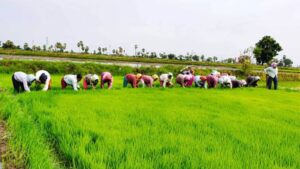
The dry weather has affected many families, especially those who depend on farming. When there is no water, crops cannot grow. This means farmers have no food to sell and no money to feed their families. The visiting teams are traveling to different villages to talk directly to these struggling farmers and find out what they need most.
It is important for the central government to get real facts from the ground. Sometimes, reports on paper do not show the real pain of the people. By visiting the fields, the officers can see the cracked soil and the dried-up wells. This helps them understand the true scale of the water crisis.
What Are the Central Teams Doing?
The central teams consist of experts from different departments. Some experts know about farming, some know about water resources, and others know about finance. Together, they form a strong group that can look at the drought from all sides. They spend their days walking through dry fields and meeting local leaders.
During their visits, they write down detailed notes. They measure how much crop damage has occurred. They also check if the villagers have enough clean drinking water. In many places, people have to walk miles just to get one bucket of water. The teams are looking at ways to bring water tankers to these villages immediately.
The officers also listen to the worries of the local people. Farmers are asking for loans to be forgiven because they cannot pay them back. They are also asking for free seeds and fertilizers for the next season. The teams gather all this information so they can make a good plan to help them recover.
How Government Planning Helps
Managing natural resources during a crisis is a major job for any government. It requires planning, money, and good relationships between different states. This is similar to how countries work together on big global deals. For example, we see deep planning in the India-Indonesia nickel diplomacy and energy transition to secure future resources. In the same way, our local and national leaders must plan together to save our water and soil before it is too late.
Once the central teams finish their visits, they will go back to the capital. They will write a big report for the top ministers. This report will tell the government exactly how much money is needed to help the dry states. The government will then release emergency funds to buy food, water, and fodder for the farm animals.
There’s more to life than simply increasing its speed.
By Udaipur Freelancer
These visits also help the government understand where to build new water projects. If a region always suffers from drought, the government might decide to build a new canal or a reservoir there. This long-term planning is very important to prevent future disasters.
The Connection Between Drought and Food Waste
When crops die in the fields, there is less food for everyone. This makes food in the city markets much more expensive. When food is hard to grow, we must learn to value every single meal. It is sad to waste food when farmers are working so hard in the hot sun with no water to grow it.
We all need to change how we think about food and the environment. Some people are already taking big steps to stop food waste in creative ways. For instance, many people now choose to dine with a conscience at the best zero waste restaurants of 2026 to support sustainable living. If we waste less food, we put less pressure on our dry farmlands and help save precious water.
Saving water at home is another way we can help. Every drop of water we save in the city means more resources can be directed to the rural areas that need it most. Small actions by many people can make a very big difference.
Looking Forward to a Better Future
The visits by the central teams bring hope to the farmers. It shows them that the government cares about their pain and is ready to help. However, visits and reports are only the first step. The real relief will come when the money and water actually reach the hands of the villagers.
In the future, we must use smart farming methods. Farmers should be taught how to grow crops that do not need too much water, like millets. We must also practice rainwater harvesting to store water when it rains. With the right help and smart choices, our villages can become strong and green once again.
Udaipur Freelancer delivers high-quality web, marketing, and design solutions. We focus on building impactful digital experiences that help your brand succeed in today's market.











Recommended for you
Must-See Art Exhibitions Around the World This Year
The Revival of Classical Art in a Digital Age
Breaking Down the Elements of a Masterpiece Painting
The Revival of Classical Art in a Digital Age