In the high-stakes arena of global geopolitics, securing a nation's energy lifeline is often as critical as securing its physical borders. Recently, the world watched with bated breath as tensions in West Asia threatened to choke one of the globe's most vital maritime arteries. Yet, amidst the escalating chaos, New Delhi pulled off a significant diplomatic victory.
Iran has guaranteed safety for Indian oil tankers following External Affairs Minister S. Jaishankar’s diplomatic outreach. This critical development ensures that India's energy supplies remain uninterrupted, averting what could have been a catastrophic economic blow. Let’s dive deep into how India navigated this geopolitical minefield, the importance of the Strait of Hormuz, and the domestic ripples this crisis caused across the nation.
The Catalyst: Escalating Tensions in West Asia
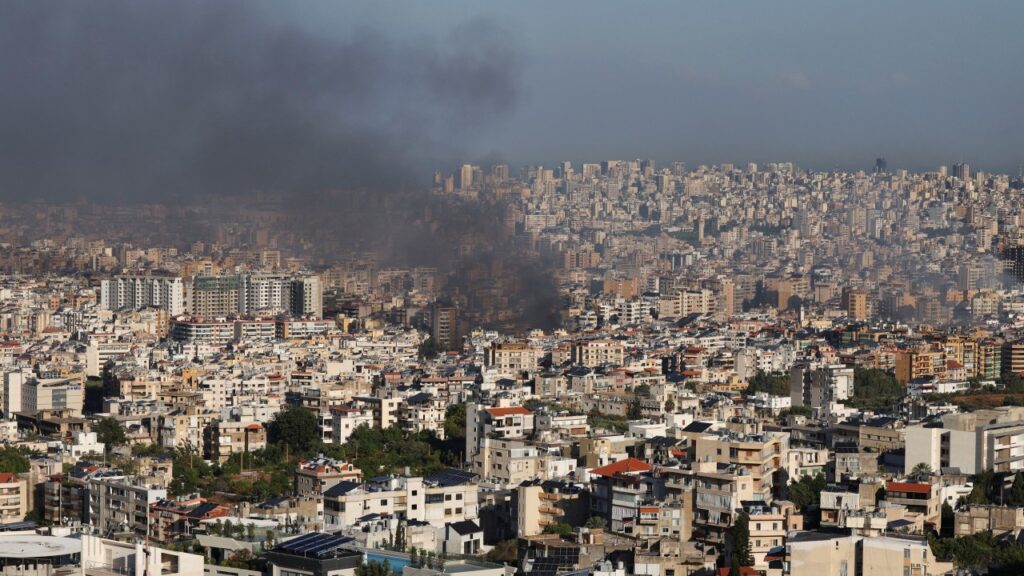
To understand the magnitude of India’s diplomatic win, we must first look at the volatility of the region. The Middle East has recently witnessed a severe surge in conflict involving major players like Iran, Israel, and the United States.
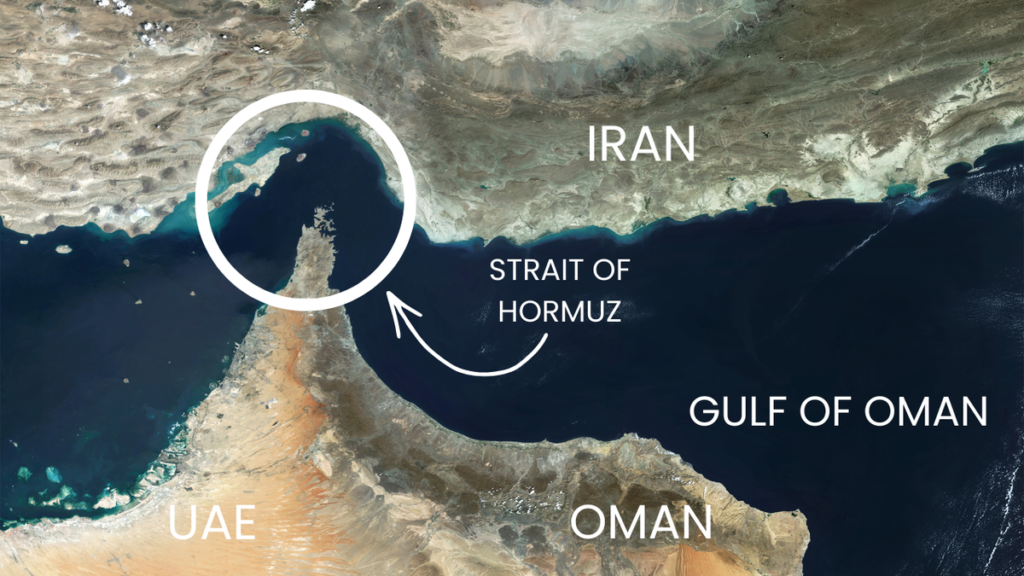
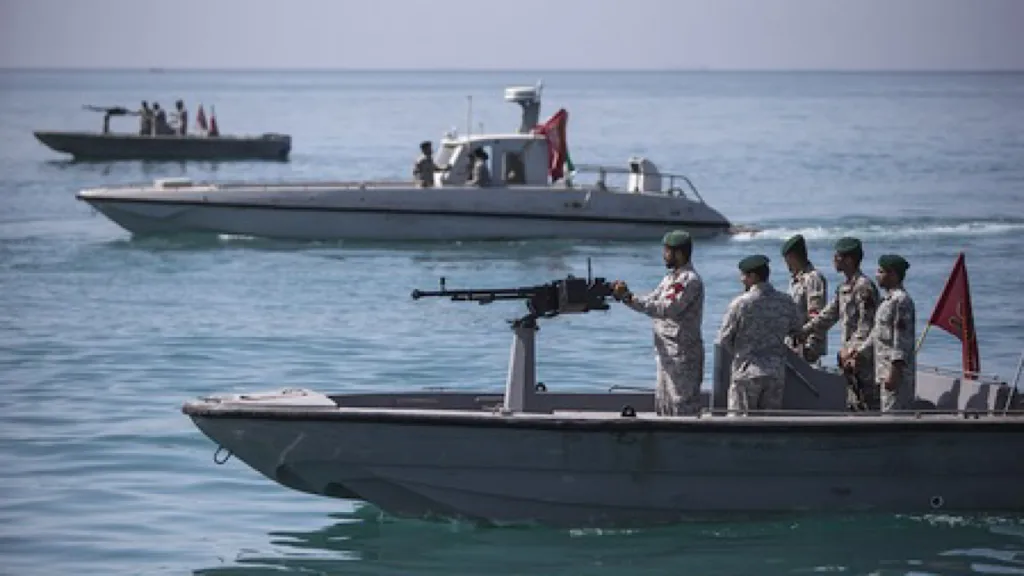
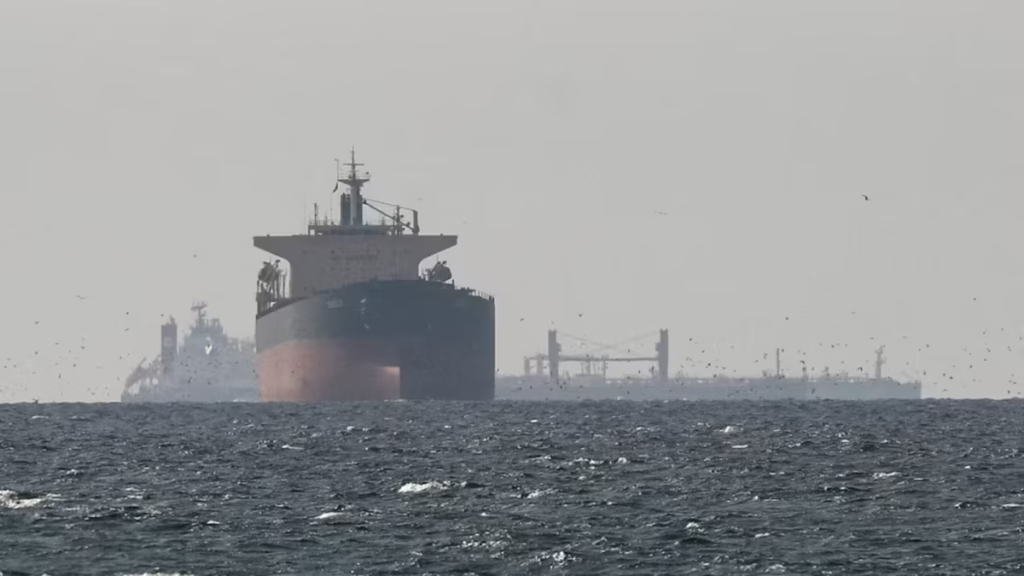
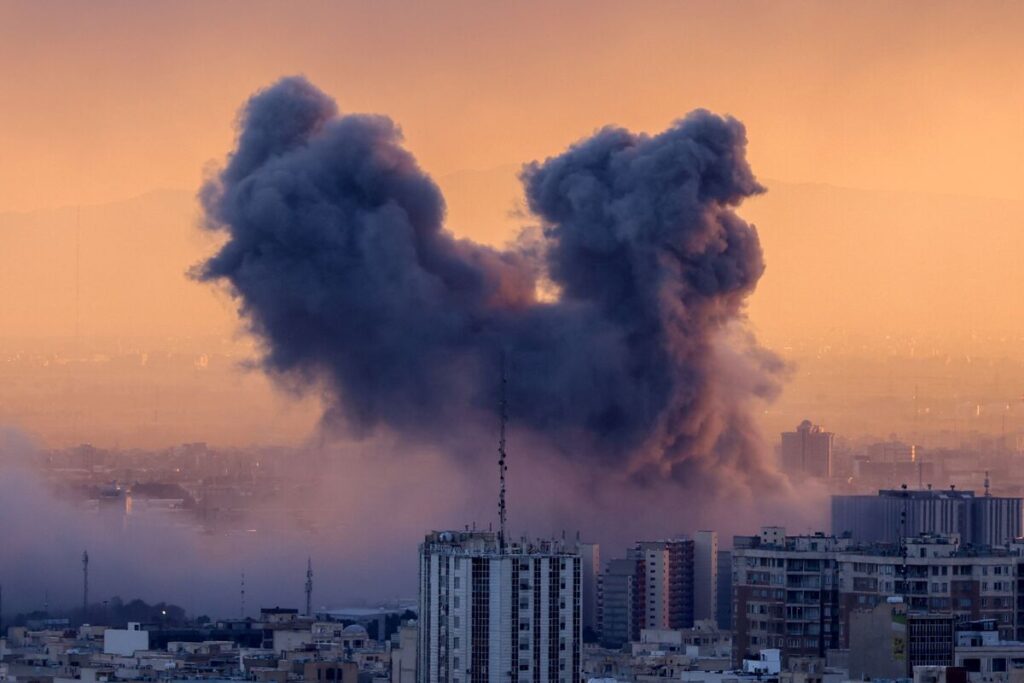
According to reports citing Iranian state media, the situation reached a boiling point following a major escalation a reported joint US-Israeli strike that allegedly targeted Iran’s Supreme Leader Ali Khamenei. In swift retaliation, the Islamic Revolutionary Guard Corps (IRGC) took drastic measures. They announced the effective closure of the strategically crucial Strait of Hormuz to shipping, warning that any vessels linked to the US, Europe, and Israel attempting to navigate the waterway would be targeted.
This declaration sent shockwaves through global energy markets. With the threat of military confrontation looming over the waters, international shipping lanes were essentially paralyzed.
The Chokepoint: Why the Strait of Hormuz is India’s Lifeline
Why does a narrow strip of water in the Middle East matter so much to a household in Mumbai or a restaurant in Bengaluru?
The Strait of Hormuz is arguably the world’s most important maritime chokepoint. It is the gateway through which approximately one-fifth of the entire globe's crude oil and natural gas shipments transit.
For India, this strait is not just important, it is an absolute lifeline. India is one of the world's largest consumers of energy, relying heavily on imports to meet its massive domestic demand. A vast majority of India’s crude oil and Liquefied Natural Gas (LPG) comes from the Gulf region. If the Strait of Hormuz closes, India’s energy security is immediately compromised, threatening to bring transportation, manufacturing, and daily life to a grinding halt.
The Diplomatic Masterstroke: India First in Action
With the IRGC threatening commercial vessels and the specter of severe supply disruptions looming, New Delhi moved with remarkable speed. The objective was clear: keep the sea routes open for Indian vessels so that the shipments of vital crude oil and LPG could continue without disruption.
External Affairs Minister S. Jaishankar initiated a crucial dialogue with his Iranian counterpart, Abbas Araghchi. The high-level talks focused on isolating India’s vital trade from the broader regional conflict.
The diplomacy paid off brilliantly. While Iranian authorities maintained strict restrictions on vessels linked to Western nations and Israel, they officially allowed Indian tankers safe passage through the Hormuz.
This selective exemption is a glowing testament to India's independent, non-aligned foreign policy often dubbed the India First approach. By maintaining strong historical and diplomatic ties with Tehran, even while nurturing relationships with Western powers, New Delhi successfully shielded its economic interests from a war it has no part in.
Furthermore, Jaishankar did not stop at Iran. Reports indicate he also held strategic consultations with other key international counterparts, including Russia’s Sergey Lavrov and France’s Jean-Noël Barrot, discussing efforts to maintain stability in these critical global shipping lanes.
There’s more to life than simply increasing its speed.
By Udaipur Freelancer
The Domestic Fallout: When Geopolitics Hits Home
While the diplomatic rescue came just in time, the brief window of uncertainty and the broader regional instability had already triggered a localized crisis within India, highlighting exactly why Jaishankar's intervention was so desperately needed.
1. The Hospitality Sector Takes a Hit
Disruptions linked to the West Asia conflict and the instability around the Strait of Hormuz triggered a severe shortage of commercial LPG in India. The hospitality sector bore the brunt of this shock. Restaurants across major metropolitan cities like Bengaluru, Chennai, and Mumbai issued warnings of possible imminent closures as their supply of commercial LPG cylinders dried up.
Industry groups reported that deliveries had been completely halted in some areas. The situation became so dire that nearly 30 percent of hotels and restaurants in Mumbai reportedly shut down temporarily, while the Chennai Hotels Association urgently appealed to Prime Minister Narendra Modi to ensure the restoration of LPG supplies.
2. Price Surges and the Black Market
As supply dwindled, prices naturally surged. Domestic LPG prices were hiked across India, with a standard 14.2-kg household cylinder seeing an increase of Rs 50. However, the commercial sector faced a staggering blow, with commercial LPG cylinders seeing a massive hike of about Rs 715.
Worse still, the crippled supply chain gave birth to an opportunistic black market. Desperate consumers and businesses were forced to shell out exorbitant amounts ranging from Rs 3,000 to Rs 3,500 per cylinder in some places just to keep their stoves burning.
Government Intervention: Quelling the Panic
Recognizing the domestic unrest brewing from global developments, the Indian government had to act on two fronts: diplomatic (securing the route) and domestic (managing public perception and supply).
Hours before the news of the Iranian relief broke, Prime Minister Narendra Modi took proactive steps. During a crucial Cabinet meeting, he directed Union ministers to closely track attempts to spread panic regarding the LPG supply situation.
The Prime Minister explicitly urged his ministers to firmly counter misleading information and opposition-driven narratives, particularly those circulating on social media. PM Modi stressed a vital point: the current challenges stemmed from complex global geopolitical developments and were not unique to India. He assured the public that the government was fully prepared to handle any supply chain disruptions effectively.
Conclusion: The Value of Strategic Autonomy
The recent events surrounding the Strait of Hormuz serve as a powerful case study in modern geopolitics. The fact that Iran guarantees safety for Indian oil tankers following Jaishankar’s diplomatic outreach is not just a passing news headline, it is a validation of India's strategic autonomy.
In a heavily polarized world where nations are often pressured to pick sides, India has managed to walk a diplomatic tightrope. By engaging in open dialogue, prioritizing its national energy security, and leveraging its historically neutral stance, India protected its economy from a devastating global shockwave.
As the situation in West Asia remains fluid, India's proactive diplomacy ensures that while the global waters may be turbulent, the engine of the Indian economy will continue to be fueled safely and securely.
Udaipur Freelancer delivers high-quality web, marketing, and design solutions. We focus on building impactful digital experiences that help your brand succeed in today's market.














Recommended for you
Must-See Art Exhibitions Around the World This Year
The Revival of Classical Art in a Digital Age
Breaking Down the Elements of a Masterpiece Painting
The Revival of Classical Art in a Digital Age