Imagine planning the perfect weekend picnic. You’ve checked the weather app on your smartphone, looked at the Doppler radar, and the forecast promises clear, sunny skies. Yet, just as you lay down your blanket, the sky darkens, the wind shifts, and a torrential downpour begins. You were caught off guard—but the local wildlife wasn't.
For centuries, long before the invention of satellites, meteorological models, and 24/7 weather channels, humans relied on the natural world to tell them what the sky was about to do. Farmers, sailors, and indigenous cultures paid close attention to the subtle behavioral shifts in animals to predict impending storms, rain, or sudden drops in temperature.
While it might sound like mere folklore or old wives' tales, modern science has proven that many of these animal behaviors are driven by profound biological sensitivity. Animals possess survival instincts tuned to microscopic environmental changes that humans simply cannot feel.
Today, we are diving deep into the fascinating world of biometeorology. We will uncover the secret, scientifically backed ways that frogs and cows predict weather changes, and we’ll also explore a few other surprising animal meteorologists that might just be living in your own backyard.
The Amphibian Forecaster: Why Frogs are Nature’s Rain Announcers
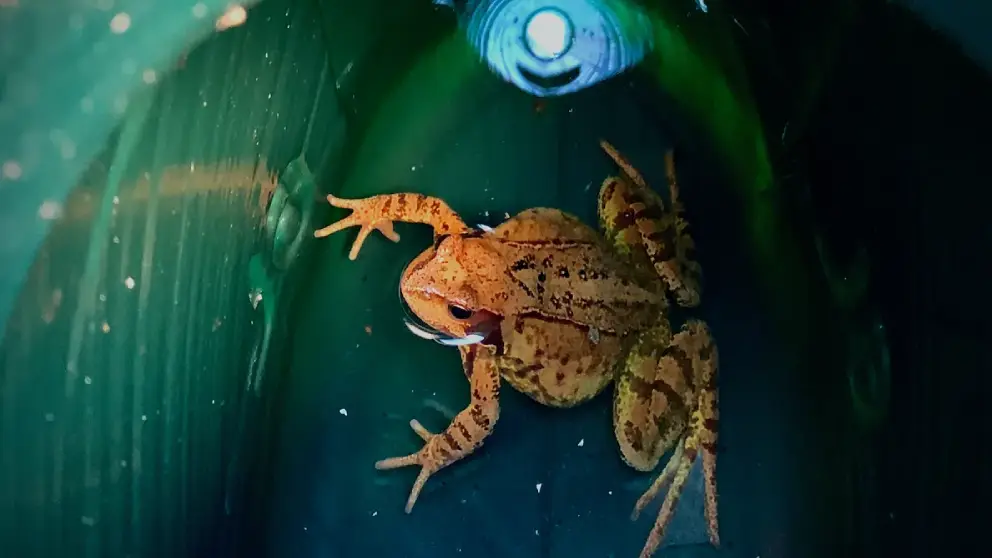
If you live near a pond, lake, or marshy area, you might have noticed a distinct phenomenon: on certain evenings, the chorus of frog croaks becomes almost deafening. According to both ancient folklore and modern scientific observation, frogs are incredibly accurate predictors of impending rainfall.
But why does this happen? The secret lies in their unique biology and their drive to reproduce.
The Science of the Croak
Frogs are amphibians, meaning they have highly permeable skin that must remain moist for them to survive and breathe efficiently. When the weather is hot and dry, frogs tend to stay hidden in mud, under leaves, or deep in the water to conserve their bodily moisture.
However, just before a rainstorm, two major environmental shifts occur barometric pressure drops and atmospheric humidity rises.
Frogs are incredibly sensitive to these subtle shifts in moisture. When they sense that the air is becoming heavily laden with humidity a clear indicator that rain is on the way they realize that the environment is becoming optimal for them to leave their hiding spots.
A Weather-Triggered Mating Call
The intense croaking you hear before a storm isn't a warning cry to other animals. it is a mating ritual. Moist conditions are absolute prerequisites for frogs to mate and lay their eggs safely without the eggs drying out. Therefore, when the humidity spikes before a downpour, male frogs instinctively know it is the perfect time to find a mate. They emerge and begin calling loudly and frequently to attract females.
So, the next time you hear the local frog population turning up the volume, you might want to grab your umbrella. Their biological survival depends on timing the rain just right.
The Bovine Barometer: Why Cows Lie Down Before a Storm
Perhaps one of the most famous pieces of rural weather folklore is the belief regarding cows. The old saying goes: "If cows are lying down in the field, it means rain is on the way."
For decades, skeptics dismissed this as confirmation bias people only remembering the times the cows were lying down when it rained, and forgetting all the times they were standing. However, agricultural scientists and animal behaviorists have observed that this old farming belief actually has a solid foundation in observational science.
Preserving a Dry Spot
Cows are large animals that spend the vast majority of their lives exposed to the elements. Like humans, they prefer to be comfortable. When a storm system approaches, the atmospheric pressure begins to cool the air, and rising moisture levels make the pasture grass damp, even before the first drops of rain actually fall.
Sensing this increase in humidity and the drop in temperature, cows will often instinctively lie down on a patch of dry grass. By tucking their legs beneath them and settling into the dirt, they are effectively claiming and preserving a warm, dry spot for themselves before the impending downpour turns the entire field to mud.
Energy Conservation and Digestion
There is another biological reason for this behavior. Cows are ruminants, they spend a large portion of their day chewing cud to digest their food. This digestion process generates a significant amount of body heat.
There’s more to life than simply increasing its speed.
By Udaipur Freelancer
When barometric pressure drops before a storm, it is often accompanied by a feeling of heaviness or mugginess in the air. As humidity increases, it becomes harder for animals to regulate their body temperature. Lying down allows the cow to become less active, conserve energy, and manage the heat generated by their complex digestive systems more comfortably during the heavy, humid pre-storm weather.
If you drive past a pasture and see the entire herd resting firmly on the ground, it is a very strong indicator that the atmosphere is shifting.
Beyond Frogs and Cows: Other Astonishing Animal Meteorologists
While frogs and cows are some of the most famous natural weather forecasters, they are far from the only ones. Nature is filled with creatures equipped with built-in barometers. Here are a few other animals that can predict the weather long before your smartphone app updates.
1. Cats: The Quiet Alarm Sensors
Your lazy housecat might just be a furry weather station. Have you ever noticed your cat becoming unusually restless, excessively clingy, or hiding in dark corners seemingly out of nowhere? Cats are highly sensitive to static electricity, which builds up rapidly in the atmosphere just before a major thunderstorm. Furthermore, a cat’s whiskers are highly specialized sensory tools. They can pick up on minute shifts in air pressure, alerting the feline that a major weather shift is approaching long before we hear the first rumble of thunder.
2. Birds: The Sky’s Early Warning System
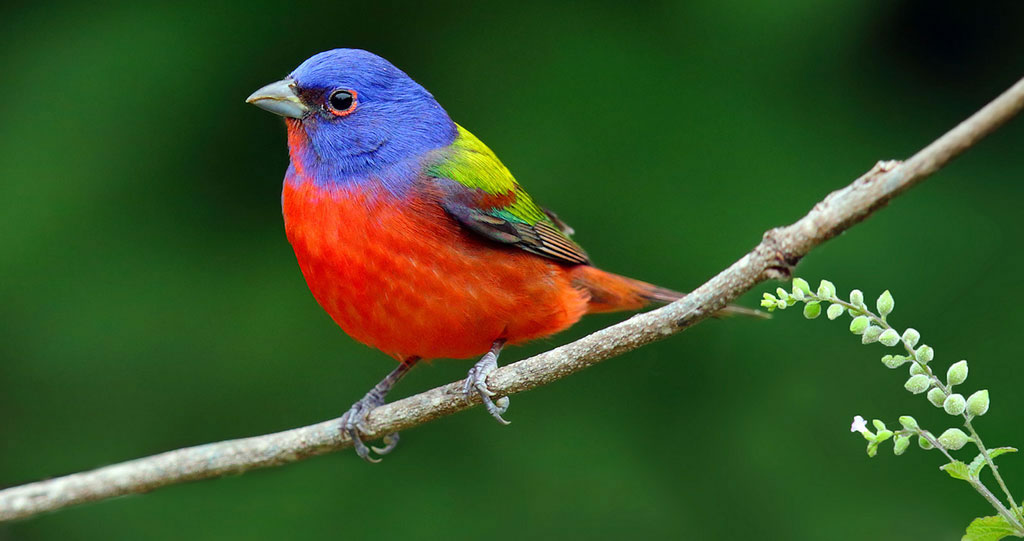
Bird behavior has inspired numerous weather proverbs. One of the most accurate involves observing flight patterns. If you see insect-eating birds like swallows flying incredibly close to the ground, rain is almost certainly imminent. Why? In high humidity, the air becomes heavy, forcing the tiny insects that birds feed on to fly much lower to the ground. The birds simply follow their food source. Additionally, birds are highly sensitive to barometric pressure changes; a sudden, eerie silence in the trees or erratic flight patterns often indicate an approaching severe storm.
3. Ants: The Ground-Level Forecasters
Never underestimate the intelligence of an insect. Ants are expert builders, and they are acutely aware of drops in barometric pressure. When they sense a storm approaching, you will see a massive increase in activity around their mounds. They will feverishly build up the walls of their anthills and cover the entry holes to fortify their nests against flooding. If you suddenly see a massive, organized trail of ants migrating indoors, they aren't just looking for crumbs they are seeking high, dry ground to escape an incoming downpour.
4. Sharks: Deep-Sea Pressure Sensors
Weather prediction isn't limited to animals on land. In the ocean, sharks have been observed exhibiting fascinating behavior prior to major hurricanes or severe tropical storms. Sharks possess incredible sensory organs called the ampullae of Lorenzini. These jelly-filled pores allow them to detect incredibly small electrical currents and drastic drops in water pressure. When a massive storm approaches, it causes a drop in hydrostatic pressure. Sharks sense this and will rapidly swim to much deeper, calmer waters to avoid the turbulent, dangerous conditions near the surface.
5. Bees: Weather-Linked Foragers
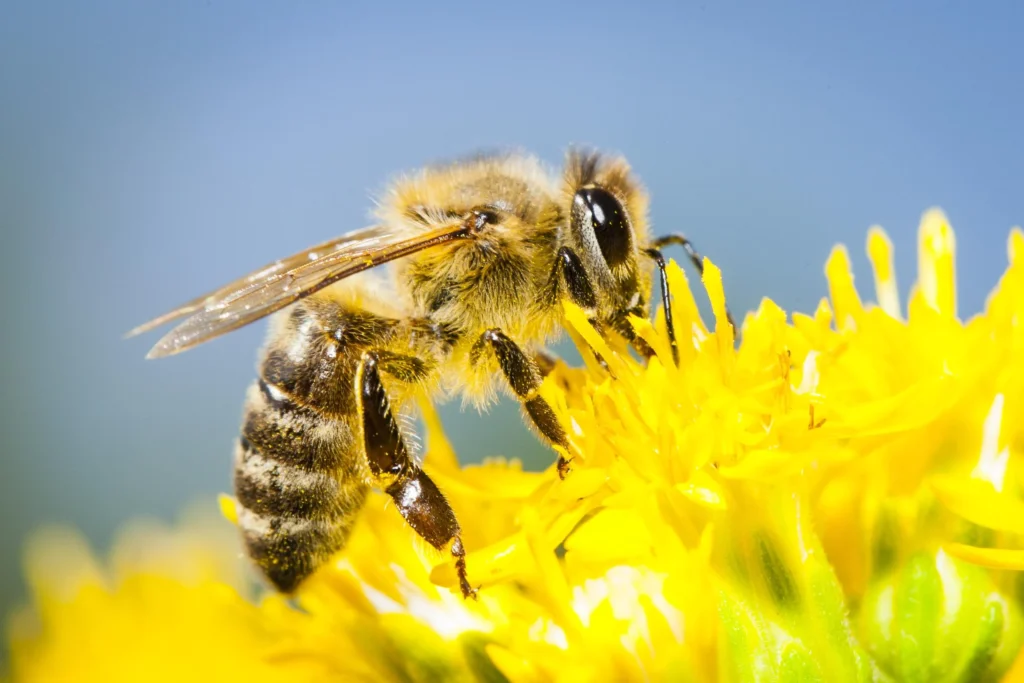
"If bees stay at home, rain will soon come, If they fly away, fine will be the day." This old rhyme holds true. Bees are strictly fair-weather flyers. Because they are so small, even a moderate rainstorm can be incredibly dangerous to them, potentially damaging their fragile wings. Bees rely heavily on the sun for navigation. When barometric pressure drops and humidity rises, bees sense that flying and navigating will soon become too difficult. Instead of venturing out to forage, they will remain safely tucked inside or very close to their hives.
The Science of the Sixth Sense
When we talk about animals predicting the weather, we aren't talking about magic. It all boils down to an acute sensitivity to environmental physics. Humans live in climate-controlled houses, drive in sealed cars, and wear weather-resistant clothing. Over millennia, we have lost touch with the subtle environmental shifts that dictate survival in the wild.
Animals, however, rely entirely on their senses to survive. They possess physical adaptations that allow them to feel:
Barometric Pressure Drops: The weight of the air changing.
Static Electricity: The electrical charge building up before a lightning storm.
Infrasound: Low-frequency rumbles of distant thunder or ocean waves that humans cannot hear.
Humidity: The microscopic increase of water vapor in the air.
Conclusion
The next time you are planning outdoor activities, by all means, check your digital weather forecast. But don't forget to look up from your screen and observe the world around you.
Nature provides a constant, live-streamed forecast if we just know how to read it. From the amplified croaking of a frog in a nearby pond to a herd of cows settling down in a pasture, these creatures remind us of how deeply connected life on Earth is to the atmosphere.
Have you ever noticed your pets acting strangely before a big storm? Let us know your experiences with animal weather forecasters in the comments below!
Udaipur Freelancer delivers high-quality web, marketing, and design solutions. We focus on building impactful digital experiences that help your brand succeed in today's market.



















Recommended for you
Must-See Art Exhibitions Around the World This Year
The Revival of Classical Art in a Digital Age
Breaking Down the Elements of a Masterpiece Painting
The Revival of Classical Art in a Digital Age