If you or a loved one are living with diabetes, you likely already have a familiar checklist for managing your health. You monitor your blood sugar, pay close attention to your diet, get regular eye exams to check for retinopathy, and inspect your feet for neuropathy.
But there is one vital organ that is frequently left off the diabetic care checklist, despite being highly vulnerable: your ears.
According to the National Institutes of Health (NIH), hearing loss is twice as common in adults with diabetes compared to those who do not have the condition. Furthermore, for the 133 million Americans living with prediabetes, the rate of hearing loss is 30% higher than in those with normal blood sugar levels.
But why? What is the biological bridge connecting the pancreas to the ear?
In this comprehensive guide, we are uncovering the real reason diabetics face a much higher risk of losing their hearing, the warning signs you should never ignore, and the actionable steps you can take today to protect your auditory health.
The Hidden Connection: It’s All About Blood Flow
To understand why diabetes impacts hearing, we first have to understand how we hear.
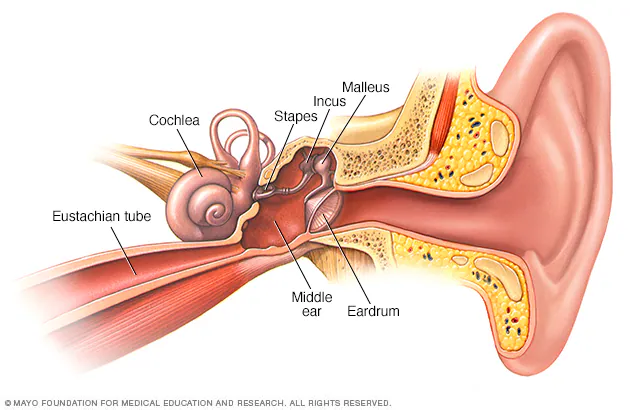
Deep inside your skull lies the inner ear, a highly complex and incredibly delicate system. The star player in this system is the cochlea, a snail-shaped structure filled with fluid and thousands of microscopic sensory hair cells. These tiny hair cells are responsible for catching sound waves, translating them into electrical impulses, and sending them through the auditory nerve to your brain.
Here is the catch: these tiny hair cells rely on a massive, steady supply of oxygen-rich blood to function and survive.
This is where diabetes enters the picture. Diabetes is, at its core, a disease that wreaks havoc on the body's vascular system (the blood vessels).
How High Blood Sugar (Hyperglycemia) Damages the Ear
When blood sugar levels remain too high over a prolonged period, it damages the structural integrity of your blood vessels. This is why diabetics are prone to vision loss and kidney disease these organs rely on microscopic blood vessels called capillaries.
The inner ear is no different. Prolonged high blood sugar causes the tiny blood vessels in the inner ear (specifically in an area called the stria vascularis) to narrow, harden, and eventually become blocked.
When blood flow is restricted, the microscopic hair cells in the cochlea are starved of oxygen and vital nutrients. Eventually, these hair cells die. Because human ear hair cells cannot regenerate or heal themselves, once they are gone, the hearing loss is permanent.
How Low Blood Sugar (Hypoglycemia) Plays a Role
While high blood sugar damages the blood vessels, severe low blood sugar can damage the nerves.
The auditory nerve relies on a constant supply of glucose (energy) to transmit sound signals from the inner ear to the brain. Frequent or severe bouts of hypoglycemia can disrupt these electrical signals, leading to auditory neuropathy a condition where the ear hears the sound, but the brain cannot properly organize or understand it.
The Frog in Boiling Water Effect: Why It Goes Unnoticed
One of the most dangerous aspects of diabetic hearing loss is that it does not happen overnight. It is a slow, insidious process.
Because the damage occurs on a microscopic level over months and years, many diabetics don't realize they are losing their hearing until the damage is severe. Often, this gradual decline is mistakenly brushed off as just getting older (presbycusis). While age is a factor in hearing loss, diabetes aggressively accelerates the process.
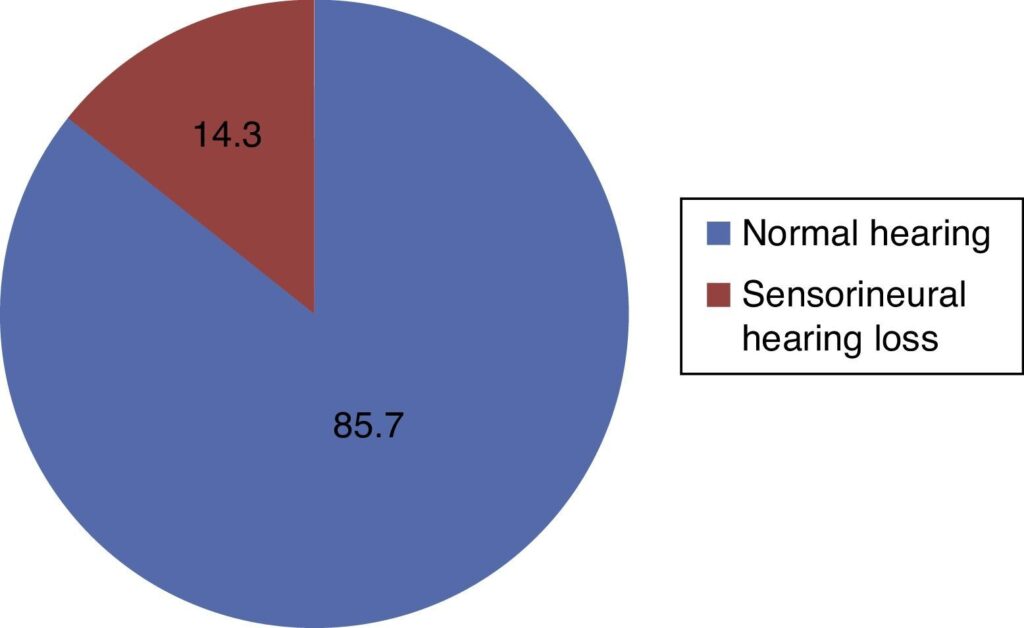
This type of hearing loss, known as sensorineural hearing loss, typically affects high-frequency sounds first. This means you might still hear the deep rumble of a truck driving by, but you will struggle to hear the high-pitched voices of your grandchildren or the chirping of birds.
There’s more to life than simply increasing its speed.
By Udaipur Freelancer
6 Warning Signs of Diabetic Hearing Loss
If you have diabetes, you must become proactive about monitoring your auditory health. Look out for these early warning signs:
The Mumbling Illusion: You feel like people are mumbling or not speaking clearly, especially women and children.
Background Noise Struggles: You have a hard time following conversations in noisy environments, like crowded restaurants or family gatherings.
Volume Wars: Your family complains that you turn the TV or radio volume up uncomfortably high.
Phone Difficulties: You struggle to understand what the person on the other end of a phone call is saying.
Exhaustion After Socializing: You feel mentally drained after social events because your brain has to work twice as hard to fill in the gaps of missed words (known as listening fatigue).
Tinnitus: You experience a persistent ringing, buzzing, or hissing sound in your ears.
The Hidden Cost of Ignoring Hearing Loss
Hearing loss is not just an inconvenience, it is a major health risk that creates a domino effect on your overall well-being.
When you can't hear well, conversations become stressful. You may start declining social invitations, leading to isolation, loneliness, and depression.
Furthermore, recent groundbreaking studies by Johns Hopkins Medicine have revealed a terrifying link between untreated hearing loss and cognitive decline. Because the brain is constantly straining to process muffled sounds, it steals cognitive energy away from other functions like memory. Adults with untreated hearing loss are up to five times more likely to develop dementia.
For someone already managing the stress of diabetes, the addition of isolation and cognitive decline is a heavy burden to bear.
5 Actionable Ways to Protect Your Hearing If You Have Diabetes
The good news? Diabetic hearing loss is not an absolute certainty. By taking control of your health today, you can preserve your hearing for decades to come. Here is how:
1. Master Your Blood Sugar Levels
The single most effective way to protect your hearing is to keep your blood sugar levels within your target range. Work closely with your endocrinologist or primary care doctor to monitor your A1C. A stable A1C means less vascular damage throughout your entire body including your ears.
2. Get an Annual Baseline Hearing Test
Just as you get an annual eye exam and foot check, you should see an audiologist once a year. A baseline audiogram will map out exactly how well you hear today. By testing annually, an audiologist can catch minute changes in your hearing before you even notice them in daily life.
3. Protect Your Ears from Loud Noises
Your inner ear is already under stress from diabetes, don't add acoustic trauma to the mix. If you mow the lawn, use power tools, attend loud concerts, or ride a motorcycle, wear high-quality earplugs or noise-canceling earmuffs. Give your inner ear every advantage possible.
4. Keep Moving to Boost Circulation
Since diabetic hearing loss is a circulation problem, anything you do to improve blood flow helps your ears. Regular cardiovascular exercise like brisk walking, swimming, or cycling pumps fresh, oxygenated blood directly to your cochlea.
5. Quit Smoking Immediately
If you have diabetes and you smoke, your blood vessels are fighting a two-front war. Nicotine constricts blood vessels and deprives the body of oxygen. Quitting smoking is one of the best favors you can do for your auditory and overall health.
The Bottom Line: Listen to Your Body
Living with diabetes requires diligence, but knowledge is power. Now that you know the real reason diabetics face a much higher risk of losing their hearing, you can take the necessary steps to prevent it.
Your hearing connects you to the people you love, the music that moves you, and the world around you. Don't let diabetes steal those connections in silence. Treat your ears with the same care and respect as you treat your blood sugar, your eyes, and your heart.
Are you or a diabetic loved one experiencing the early signs of hearing loss? Don't wait until the damage becomes severe. Contact a local audiologist today to schedule a comprehensive, pain-free hearing evaluation. Taking action today could save your hearing for tomorrow.
Udaipur Freelancer delivers high-quality web, marketing, and design solutions. We focus on building impactful digital experiences that help your brand succeed in today's market.















Recommended for you
Must-See Art Exhibitions Around the World This Year
The Revival of Classical Art in a Digital Age
Breaking Down the Elements of a Masterpiece Painting
The Revival of Classical Art in a Digital Age